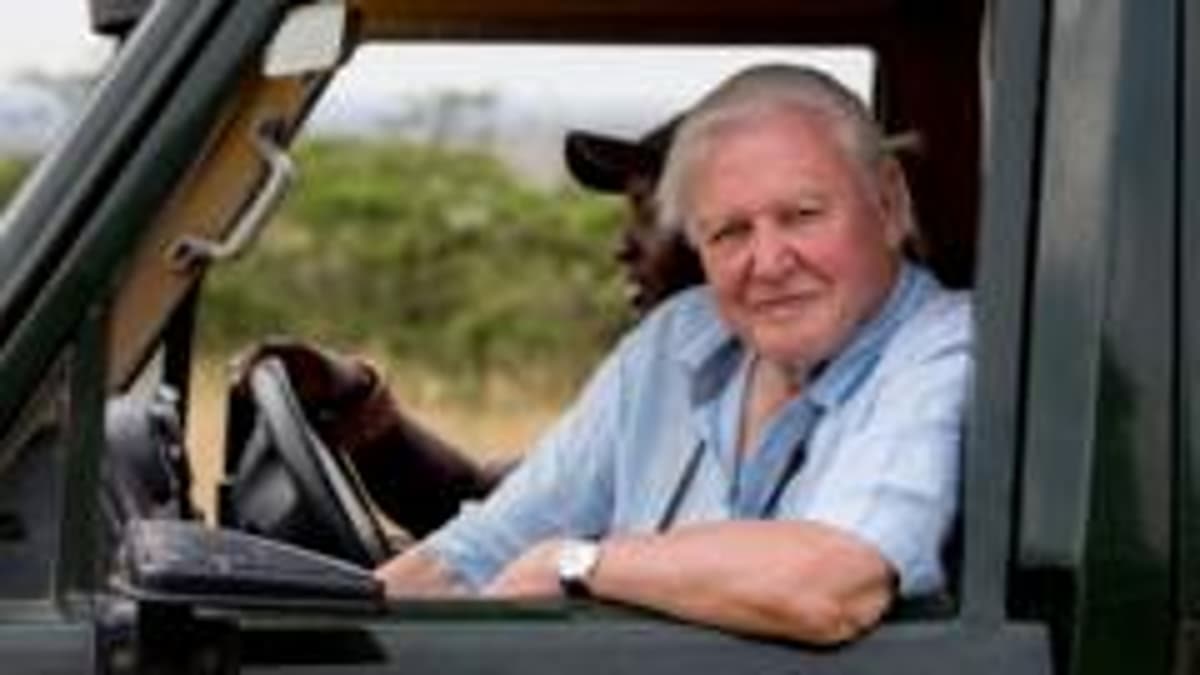
How Sir David Attenborough Built 'Green Hollywood'
Companies Mentioned
Why It Matters
The ecosystem built around Attenborough fuels a multi‑billion‑dollar media niche, driving jobs, tech innovation and worldwide conservation awareness. Its success reshapes how major platforms source premium natural‑history content outside Hollywood.
Key Takeaways
- •Bristol produces 80% of world’s high‑quality natural‑history TV
- •Wildlife film sector employs ~1,000 people, worth ~$127 million
- •Attenborough’s 1979 "Life on Earth" cost $1.27 million, sold to 100+ territories
- •Netflix, Apple TV, National Geographic now film in Bristol’s "Green Hollywood"
- •City hosts 15 specialist wildlife‑production companies and a full post‑production ecosystem
Pulse Analysis
Sir David Attenborough’s influence extends far beyond his on‑screen narration; it reshaped the economics of natural‑history storytelling. By championing ambitious, globally‑distributed series like "Life on Earth," he attracted the first major American investment into the genre, a $1.27 million budget that proved wildlife documentaries could command blockbuster‑level revenues. This breakthrough opened doors for co‑productions with studios such as Warner Brothers and set a template for the high‑stakes, multi‑platform deals that dominate today’s streaming market.
Bristol’s rise as a "Green Hollywood" is anchored in a self‑sustaining ecosystem of talent, technology and infrastructure. The BBC Natural History Unit’s legacy of pioneering camera rigs—from wind‑tunnel bat shots to 4K ultra‑high‑definition—has cultivated a skilled workforce capable of colour‑grading, sound design and post‑production at a scale unmatched elsewhere. As a result, global platforms—including Netflix, Apple TV and National Geographic—choose Bristol over Hollywood, leveraging its concentration of expertise to produce premium content efficiently and cost‑effectively.
Economically, the wildlife‑film cluster now contributes roughly $127 million to Bristol’s economy and supports about 1,000 jobs, representing a third of the city’s overall TV industry. This financial clout fuels further innovation, attracts new entrants, and reinforces the city’s reputation as a hub for conservation storytelling. As climate concerns intensify, demand for compelling, scientifically accurate narratives will only grow, positioning Bristol’s "Green Hollywood" to remain a critical engine for both entertainment and environmental advocacy.
How Sir David Attenborough built 'Green Hollywood'
Comments
Want to join the conversation?
Loading comments...