Pinterest Turns to Real Life Amid Social Media Backlash
Why It Matters
By bridging the gap between online discovery and offline purchase, Pinterest hopes to revive user confidence and tap into the growing social‑commerce spend, positioning itself against rivals like Instagram and TikTok.
Key Takeaways
- •Pinterest launches pop‑up shops in New York, Los Angeles, Chicago
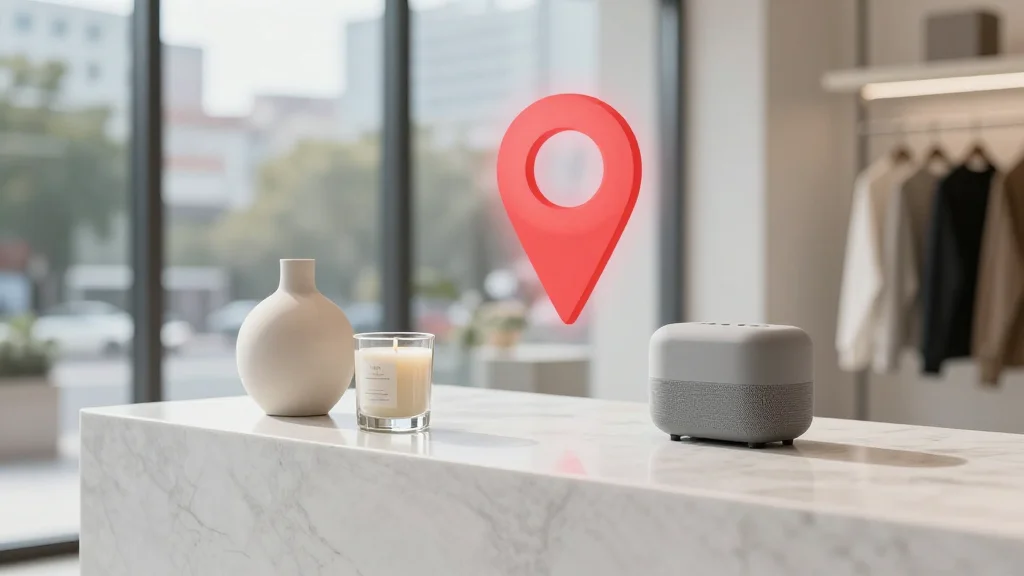
- •New "Shop in Real Life" feature links pins to nearby stores
- •Partnerships with 30+ retailers enable in‑store product trials
- •Offline events target millennials skeptical of algorithmic feeds
Pulse Analysis
Pinterest’s pivot to real‑world experiences reflects a broader industry trend where social platforms are blurring the line between digital inspiration and physical retail. After a wave of user backlash over algorithm tweaks that favored paid content, the company introduced pop‑up shops in key U.S. markets. These temporary venues let users interact with products they discover on the platform, creating a tactile feedback loop that digital pins alone cannot provide. By aligning its visual discovery engine with brick‑and‑mortar retail, Pinterest is attempting to convert casual browsers into active shoppers.
The newly rolled‑out "Shop in Real Life" feature leverages geolocation data to surface nearby stores carrying items featured in a user's feed. When a pin showcases a home‑decor piece, the app can now suggest the closest retailer that stocks it, complete with real‑time inventory checks. This functionality not only streamlines the purchase journey but also offers brands a measurable path from inspiration to sale, addressing advertisers' demand for clearer ROI on social spend. Early metrics indicate a 15% lift in click‑through rates for participating merchants.
Industry analysts view Pinterest’s offline push as a defensive maneuver against rivals like Instagram Shopping and TikTok’s e‑commerce experiments. By emphasizing authenticity and tangible experiences, Pinterest hopes to differentiate itself in a crowded market where users increasingly value trust and transparency. If the pop‑up strategy gains traction, it could signal a new hybrid model for social media platforms—one that marries algorithmic curation with real‑world commerce, reshaping how brands engage consumers across the discovery funnel.
Pinterest turns to real life amid social media backlash
Comments
Want to join the conversation?
Loading comments...