“This Industry Isn’t Done Innovating.”: Andrew Casale on Index Exchange’s Containerised Future and a DSP Renaissance
Companies Mentioned
Why It Matters
Containerising DSP workloads cuts costly data egress and latency, unlocking faster, more sophisticated bidding that can level the competitive field for ad tech players.
Key Takeaways
- •Index Cloud runs partner code in secure containers within exchange infrastructure.
- •Containerisation cuts network traffic, boosting DSP response times to sub‑millisecond.
- •Faster bidding expands decision windows, enabling more sophisticated optimization models.
- •Full‑pipe visibility could level the playing field for smaller DSPs.
- •Industry sees a “mini DSP renaissance” driven by scalable, low‑latency architecture.
Pulse Analysis
Programmatic advertising has long been dominated by a split architecture: supply‑side platforms (SSPs) curate inventory while demand‑side platforms (DSPs) apply data and bid. Index Exchange is collapsing that divide by pushing data and decisioning onto the sell‑side, leveraging its massive scale of roughly 700 billion daily ad requests. This shift mirrors a broader industry trend toward “data at the edge,” where proximity to user signals improves match quality and reduces reliance on third‑party data pipelines. By embedding partner code in its own cloud, Index not only sidesteps the petabyte‑scale traffic costs of traditional models but also gains tighter control over security and compliance.
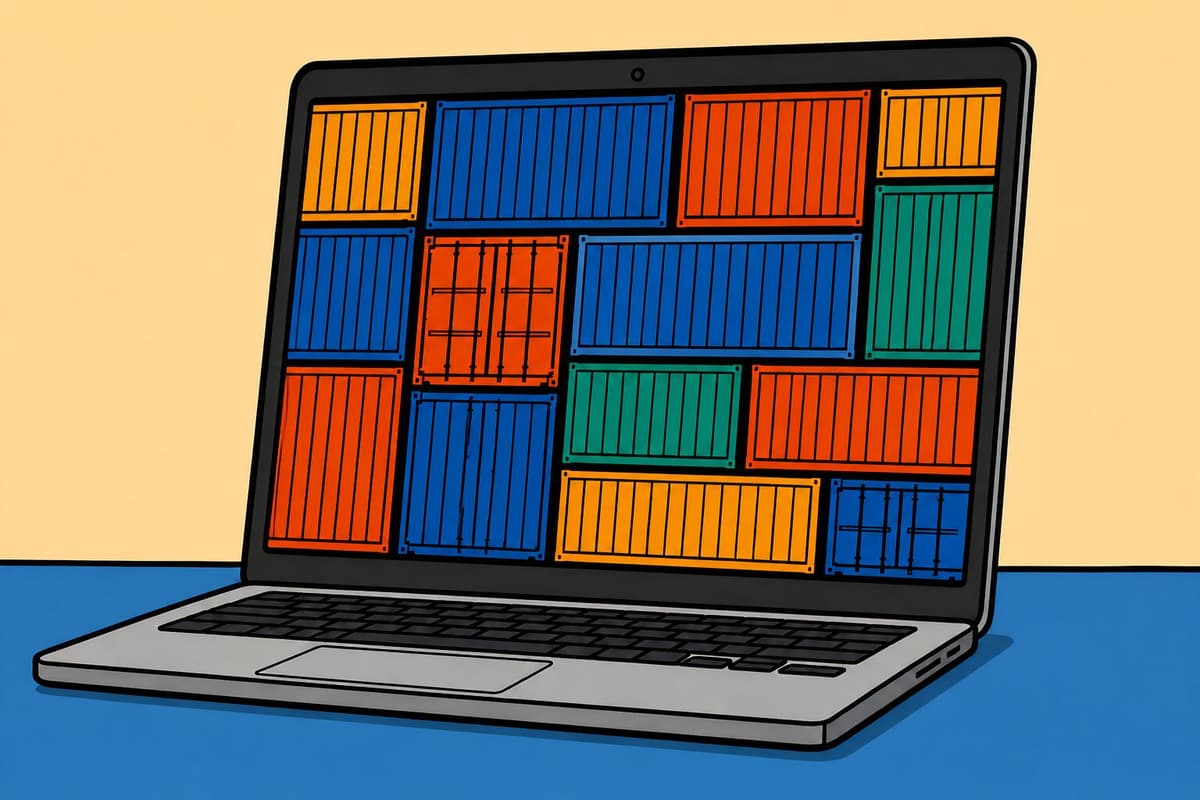
The technical cornerstone of Index Cloud is containerisation – running partner algorithms in isolated, cryptographically signed containers inside the exchange’s infrastructure. Early pilots with Gracenote’s streaming metadata and Bedrock’s containerised DSP have demonstrated tangible benefits: network egress drops dramatically, and bid latency shrinks from several milliseconds to sub‑millisecond levels. In a market where a few milliseconds can dictate win rates, this speed advantage translates into higher fill rates and better CPMs for advertisers. Moreover, the localised processing model enables more complex machine‑learning models to run within the expanded decision window, fostering richer audience segmentation and real‑time optimisation.
Beyond performance, the broader market impact could be profound. Traditional DSPs are constrained by queries‑per‑second limits, forcing exchanges to pre‑filter inventory and effectively narrow the “pipe” of opportunities. Containerised DSPs can ingest the full inventory stream, giving smaller and niche bidders access to the same breadth of inventory as industry giants. Casale’s vision of a “mini DSP renaissance” suggests a future where scale no longer guarantees dominance; instead, innovation in bidding strategies, agentic workflows, and hybrid SSP‑DSP models will drive competitive advantage. As ad tech firms experiment with this new architecture, we can expect a resurgence of white‑board sessions, startups, and partnerships aimed at redefining programmatic buying in the years ahead.
“This Industry Isn’t Done Innovating.”: Andrew Casale on Index Exchange’s Containerised Future and a DSP Renaissance
Comments
Want to join the conversation?
Loading comments...