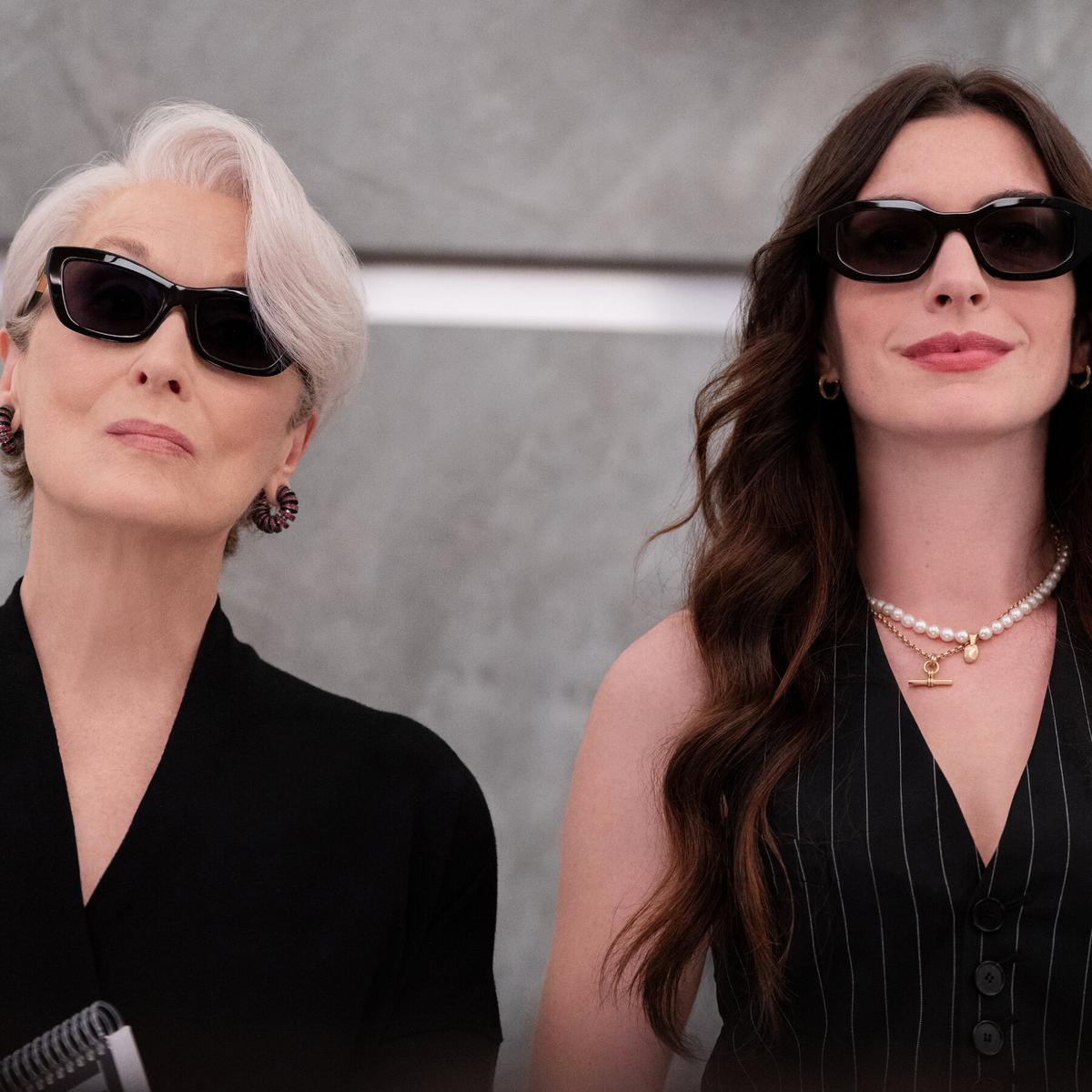
Watching ‘The Devil Wears Prada 2’ as an Elegy for Magazines
Companies Mentioned
Why It Matters
The movie spotlights the existential challenges facing print and digital magazines, influencing how executives and audiences view the future of journalism and advertising revenue models.
Key Takeaways
- •Opening weekend $240 M, surpassing original’s $326 M total.
- •Film depicts AI‑driven layoffs and tech‑funded magazine buyouts.
- •Cameos include Kara Swisher, Tina Brown, and Lady Gaga, adding credibility.
- •Story mirrors real‑world Condé Nast acquisition rumors involving Bezos.
Pulse Analysis
The Devil Wears Prada 2 has turned a glossy comedy franchise into a barometer for the fashion‑media sector. With a $240 million opening weekend, the sequel already eclipsed the original’s $326 million lifetime gross, proving that audiences are hungry for stories that reflect industry turbulence. By positioning a former assistant‑turned‑Dior executive at the center of a collapsing magazine empire, the film spotlights the rapid erosion of print titles, the rise of AI‑generated content, and the scramble for sustainable revenue models. This commercial success signals that cultural products can amplify conversations about media viability.
Beyond the jokes, the screenplay weaves in concrete trends reshaping publishing. Layoffs triggered by automation, the influx of venture‑backed tech investors, and high‑profile acquisition talks—most notably the speculative interest of Jeff Bezos in Condé Nast—are dramatized through the character Benji Barnes, a Bezos‑Musk hybrid. Real‑life journalists such as Kara Swisher and Tina Brown appear in cameo roles, lending authenticity and underscoring the urgency of protecting editorial independence. The film’s depiction of advertiser‑editorial swaps mirrors the growing pressure on editors to prioritize sponsored content over hard news.
Industry leaders are taking note, as the movie’s blend of humor and sobering reality offers a template for how entertainment can influence public perception of journalism. For media executives, the narrative reinforces the need to diversify revenue, invest in digital storytelling, and safeguard the First Amendment amid tech‑driven disruption. Meanwhile, younger creators like Amelia Dimoldenberg see the sequel as validation of hybrid careers that straddle print and video. As the sequel garners both box‑office applause and critical discussion, it may accelerate strategic pivots within fashion and broader publishing houses.
Watching ‘The Devil Wears Prada 2’ as an Elegy for Magazines
Comments
Want to join the conversation?
Loading comments...