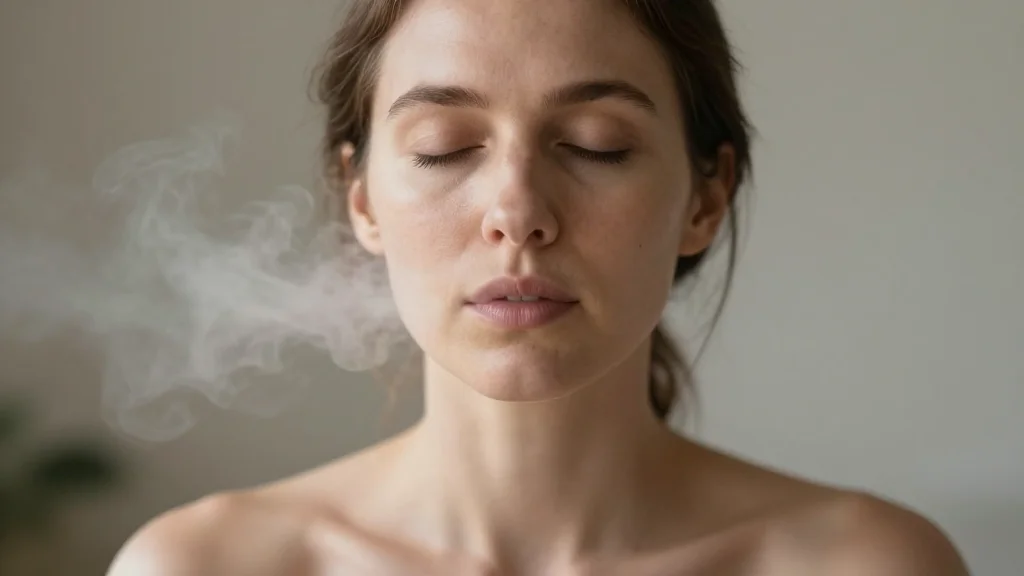
Breathwork Techniques Slash Stress in Minutes, BBC Finds

Why It Matters
Rapid‑acting stress‑reduction tools like breathwork address a critical gap in mental‑health care, offering an accessible option for people who cannot commit to longer meditation sessions. By providing measurable physiological benefits in a short time frame, breathwork may lower barriers to regular practice and improve overall public health outcomes. The rise of breathwork also signals a broader acceptance of integrative health approaches within mainstream medicine and corporate wellness. As scientific validation grows, insurers and employers may begin to reimburse or incentivize breathwork programs, potentially reshaping how stress is managed at scale.
Key Takeaways
- •BBC highlights five breathwork techniques that can reduce stress in five minutes.
- •Abbie Little of Griffith University calls breathwork "the new mindfulness hack."
- •Small studies show immediate drops in cortisol and inflammation markers.
- •Pregnant people and those with asthma or COPD should seek medical advice before starting.
- •Wellness apps and corporate programs are rapidly adding five‑minute breath sessions.
Pulse Analysis
The latest BBC coverage arrives at a moment when the meditation market is diversifying beyond seated practice. Breathwork’s promise of instant results aligns with consumer demand for quick, evidence‑based interventions, positioning it as a low‑cost, high‑impact complement to traditional mindfulness offerings. Historically, meditation products have emphasized duration—30‑day challenges, hour‑long retreats—but breathwork flips that script, delivering measurable benefits in under ten minutes.
From a competitive standpoint, established meditation platforms such as Calm and Headspace are already integrating breath modules, but the surge of niche apps focused solely on breathwork could fragment the market. Companies that can combine robust scientific validation with scalable digital delivery stand to capture both individual users and enterprise clients seeking to reduce burnout. The cautionary note about vulnerable populations also opens a niche for medically supervised breathwork programs, potentially attracting partnerships with healthcare providers.
Looking forward, the key question is whether larger clinical trials will substantiate the early findings. If they do, we may see breathwork endorsed by professional bodies, insurance coverage, and inclusion in clinical guidelines for stress‑related disorders. That would cement its role as a mainstream therapeutic tool and could drive a new wave of investment into research, technology, and training for breathwork practitioners.
Breathwork Techniques Slash Stress in Minutes, BBC Finds
Comments
Want to join the conversation?
Loading comments...