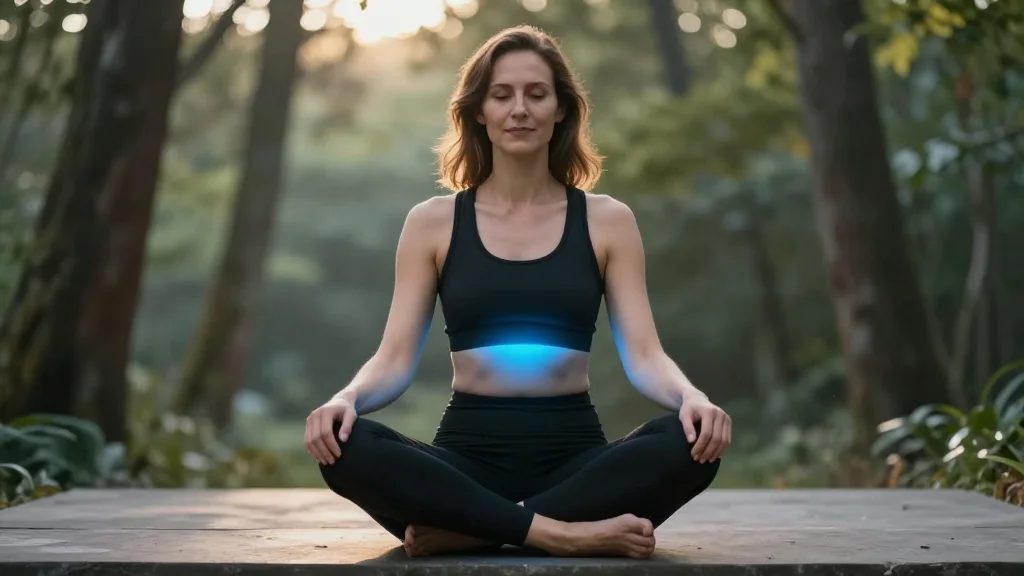
Chest Vibration Boosts Mindfulness Benefits for Trauma Survivors

Why It Matters
The study provides the first empirical evidence that a simple, wearable vibration can trigger measurable brain changes associated with interoception, a key deficit in PTSD. By demonstrating a scalable, non‑pharmacologic method to enhance mindfulness, the research could broaden access to effective trauma care, especially in settings where intensive psychotherapy is unavailable. Moreover, the work highlights a new frontier where subtle physical cues are leveraged to deepen contemplative practices, potentially reshaping how clinicians design mind‑body interventions. If subsequent trials confirm durability and clinical impact, chest vibration could become a standard adjunct in mindfulness‑based trauma programs, influencing guidelines from mental‑health agencies and prompting commercial development of dedicated wearable devices for therapeutic use.
Key Takeaways
- •116 trauma‑exposed adults with PTSD participated in a randomized trial.
- •Chest vibration during mindfulness increased neurite density in interoceptive white‑matter pathways.
- •Participants reported heightened body awareness and improved interoception scores.
- •Study funded by a $3.6 million NIH grant and conducted with the University of Pittsburgh.
- •Follow‑up research planned for 2027 to assess long‑term clinical outcomes.
Pulse Analysis
The Emory findings arrive as the mindfulness market, valued at over $2 billion globally, seeks scientifically validated enhancements that can differentiate products in a crowded space. Historically, mindfulness apps have relied on audio guidance alone; integrating a tactile layer could create a new category of “sensory‑augmented meditation” devices. Early adopters—clinics, veteran services, and corporate wellness programs—may view the technology as a low‑risk, cost‑effective way to improve engagement among clients who find pure mental focus challenging.
From a competitive standpoint, the study positions academic research ahead of commercial players who have been experimenting with haptic feedback in fitness and sleep trackers. By publishing peer‑reviewed neuroimaging data, Emory establishes a scientific benchmark that startups will need to meet or exceed to claim efficacy. This could accelerate partnerships between universities and hardware manufacturers, driving innovation pipelines that blend neuroscience insights with consumer‑grade wearables.
Looking forward, the key to broader adoption will be rigorous replication and clear regulatory pathways. If larger trials confirm that vibration‑enhanced mindfulness reduces PTSD symptom severity, insurers may begin to reimburse such interventions, further legitimizing the approach. The convergence of affordable wearables, robust neuroimaging evidence, and a pressing clinical need suggests that chest vibration could become a staple tool in the next generation of trauma‑focused mindfulness therapies.
Chest Vibration Boosts Mindfulness Benefits for Trauma Survivors
Comments
Want to join the conversation?
Loading comments...