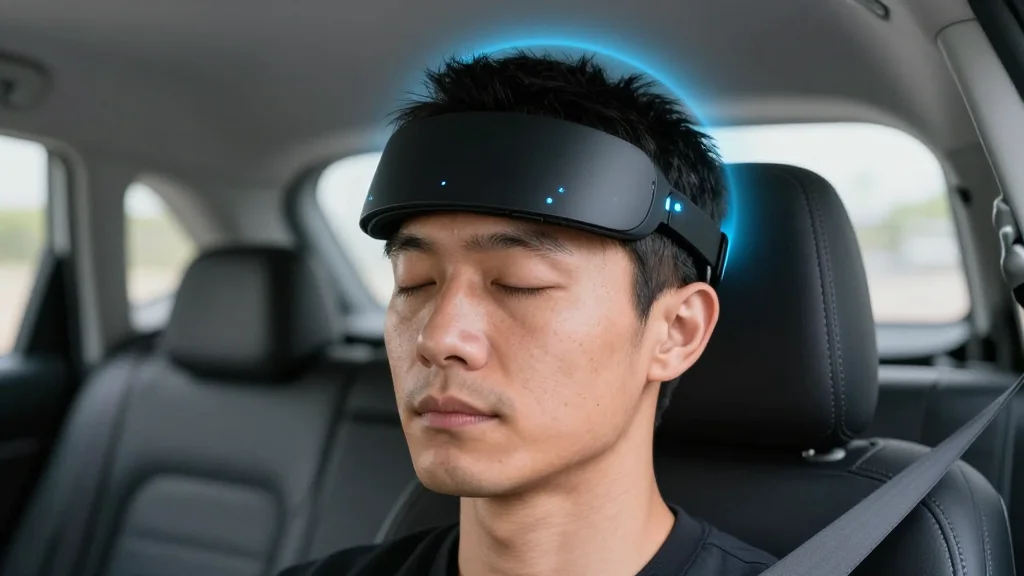
Chinese Researchers Launch AI‑Powered Headband to Cut Car Sickness Using Mindfulness

Why It Matters
Car sickness remains a pervasive, under‑addressed health issue that disrupts daily life for millions and incurs indirect economic costs through lost productivity and travel avoidance. By marrying mindfulness—a cornerstone of modern meditation practice—with real‑time neurofeedback, the new headband offers a scalable, drug‑free remedy that could redefine how motion‑induced discomfort is managed. Its success would validate a broader paradigm where ancient mental‑training techniques are operationalized through AI, potentially opening new revenue streams for both meditation platforms and wearable manufacturers. Beyond the immediate therapeutic benefit, the technology illustrates how meditation can be quantified, monitored, and enhanced by data‑driven tools. This could accelerate research into other somatic conditions where attention regulation plays a role, such as anxiety, chronic pain, and sleep disorders, thereby expanding the influence of mindfulness beyond its traditional wellness niche.
Key Takeaways
- •Study involved >100 participants with varying severity of car sickness
- •Device uses EEG‑based BCI and AI to trigger mindfulness cues in real time
- •Researchers report substantial symptom reduction in both short‑ and long‑duration trips
- •First field‑tested, non‑pharmaceutical solution for motion‑induced nausea
- •Potential expansion to VR, aviation, and workplace fatigue applications
Pulse Analysis
The headband arrives at a moment when the meditation industry is actively seeking hardware partners to move beyond screen‑based experiences. Companies like Muse and BrainCo have already demonstrated consumer appetite for EEG‑enabled mindfulness devices, but most have focused on stress reduction or focus enhancement. By targeting a specific, measurable physiological outcome—car sickness—the Chinese team provides a clear value proposition that could attract automotive OEMs and travel firms looking to differentiate passenger experience.
Historically, motion‑sickness remedies have been limited to pharmacology, which carries side‑effects and variable efficacy. The AI‑mindfulness hybrid sidesteps these drawbacks, positioning itself as a premium, health‑conscious alternative. Yet the path to mass adoption is not without hurdles. Regulatory bodies will scrutinize claims of symptom mitigation, especially if the device is marketed as a medical device rather than a wellness accessory. Moreover, user acceptance will depend on comfort, aesthetics, and seamless integration with existing travel ecosystems.
If the upcoming multi‑site trials validate the initial results, we can expect a cascade of partnerships: car manufacturers embedding the headband into seat‑back systems, ride‑share platforms offering it as an optional amenity, and consumer tech firms bundling it with existing meditation subscriptions. Such collaborations could accelerate the convergence of mindfulness and AI, setting a precedent for future neuro‑responsive wearables aimed at other motion‑related ailments or even broader mental‑health interventions.
Chinese Researchers Launch AI‑Powered Headband to Cut Car Sickness Using Mindfulness
Comments
Want to join the conversation?
Loading comments...