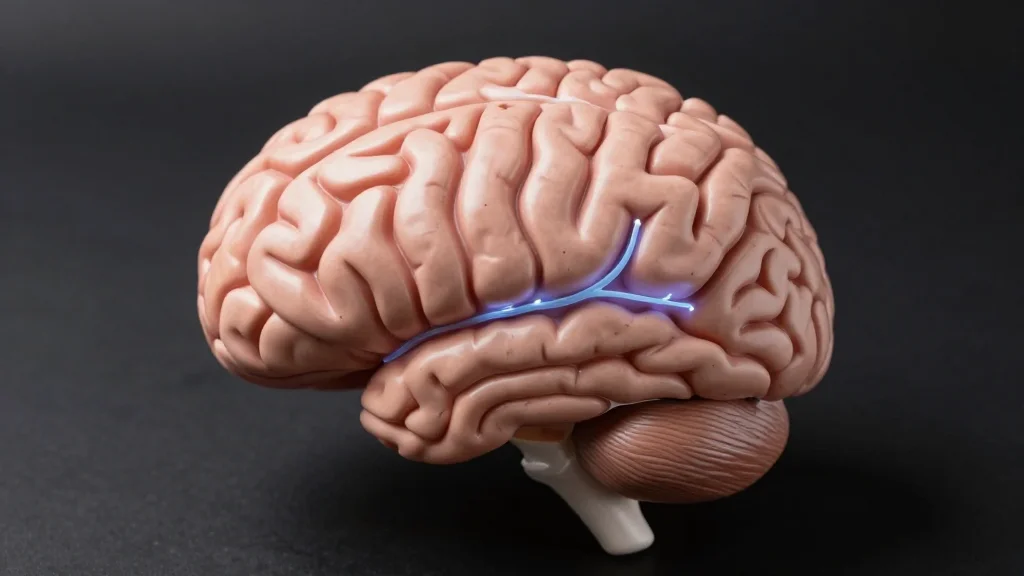
CRH Neurons Found to Drive Anxiety in Trigeminal Neuralgia, Opening Door for Mindfulness Therapies

Why It Matters
The identification of a CRH‑driven hippocampus‑prefrontal circuit bridges two traditionally separate fields: chronic‑pain neuroscience and meditation research. By revealing a cellular substrate that underlies anxiety in a severe facial pain condition, the study offers a tangible target for interventions that have, until now, been justified largely by behavioral outcomes. If mindfulness‑based practices can modulate this circuit, clinicians could prescribe evidence‑based meditation as a direct neurobiological countermeasure, potentially reducing reliance on opioids and antidepressants. Beyond trigeminal neuralgia, the findings may generalize to other chronic‑pain syndromes where anxiety and depression are prevalent. A mechanistic link between pain‑induced hippocampal activity and prefrontal inhibition suggests that meditation’s documented effects on brain plasticity could have broader therapeutic relevance, prompting a re‑evaluation of mental‑health guidelines for chronic‑pain patients worldwide.
Key Takeaways
- •CRH‑positive interneurons in the mPFC mediate anxiety in trigeminal neuralgia via feed‑forward inhibition.
- •Inhibiting the vHPC‑CaMK2A to mPFC CRH circuit reverses anxiodepressive behaviors in animal models.
- •Activation of the same pathway reproduces anxiety and depression, confirming its sufficiency.
- •Study proposes mindfulness‑based interventions could target this circuit, offering a non‑pharmacologic route.
- •Future work will test whether meditation alters CRH expression or CRHR1 signaling in humans.
Pulse Analysis
The breakthrough aligns with a growing trend of grounding meditation in hard neuroscience rather than anecdote. Historically, mindfulness programs have been justified by functional MRI studies showing increased prefrontal activation and reduced amygdala response. This new work adds a molecular dimension—CRH signaling—that could be directly measured in clinical trials, allowing researchers to move from correlational imaging to causal manipulation.
From a market perspective, the finding could catalyze a wave of biotech startups seeking to develop CRHR1 antagonists tailored for pain‑related mood disorders. Simultaneously, digital health firms that deliver guided meditation may leverage the data to position their platforms as scientifically validated adjuncts to pain management, potentially attracting insurance reimbursement. The convergence of pharmacology and behavioral therapy around a shared neural target could reshape treatment algorithms for chronic facial pain.
Looking forward, the key question is whether mindfulness can produce measurable changes in CRH neuron activity. If randomized controlled trials demonstrate that intensive meditation reduces CRH expression or normalizes hippocampal‑prefrontal connectivity, the field may witness a paradigm shift where meditation is prescribed alongside—or even in place of—traditional anxiolytics for chronic‑pain patients. Such an outcome would not only validate centuries‑old contemplative practices but also create a new, evidence‑based revenue stream for the meditation industry.
CRH Neurons Found to Drive Anxiety in Trigeminal Neuralgia, Opening Door for Mindfulness Therapies
Comments
Want to join the conversation?
Loading comments...