Emotional Fitness Overtakes Digital Detox as Top Wellness Trend

Why It Matters
Emotional fitness reframes wellness from a reactive, short‑term fix to a proactive, skill‑building discipline. By anchoring practices in physiological metrics like HRV, the approach offers quantifiable feedback, potentially increasing adherence and outcomes. This shift could reduce the prevalence of stress‑related disorders, lower healthcare costs, and reshape how employers design employee‑wellness programs. Moreover, the trend signals a maturation of the meditation market, moving beyond mindfulness as a buzzword toward integrated neuro‑behavioral health. As scientific validation grows, emotional fitness may become a standard component of preventive medicine, influencing policy, insurance coverage, and education curricula.
Key Takeaways
- •Digital detox is criticized for being an avoidance strategy that doesn't teach stress regulation
- •Emotional fitness focuses on building nervous‑system capacity through HRV monitoring and somatic practices
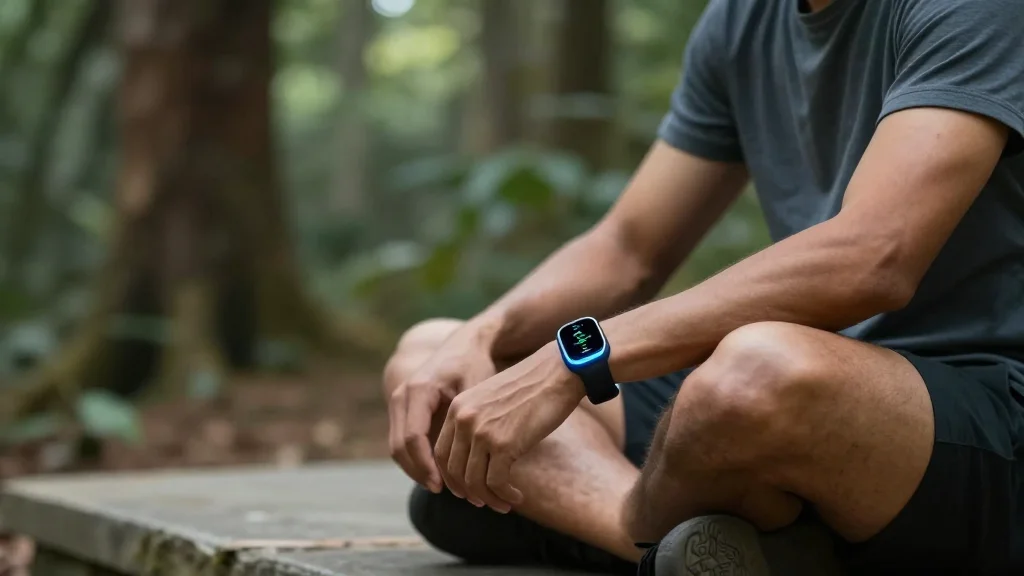
- •Wearables like Oura Ring, WHOOP, and Apple Watch make daily HRV data accessible to consumers
- •Somatic techniques include breathwork, body scanning, movement therapy, bilateral stimulation, and cold exposure
- •Meditation apps are adding biofeedback and structured somatic modules to meet consumer demand
Pulse Analysis
The migration from digital detox to emotional fitness reflects a broader evolution in consumer wellness: the desire for data‑driven, actionable insights. Historically, mindfulness entered mainstream culture as a low‑tech, contemplative practice. Its integration with wearable technology marks a second wave, where subjective experience is quantified and fed back in real time. This convergence creates a feedback loop that can accelerate habit formation, much like fitness trackers did for physical exercise.
From a market perspective, the emotional‑fitness niche is attracting venture capital that previously funded meditation‑only platforms. Investors see a dual revenue stream: subscription‑based coaching combined with hardware partnerships. Companies that can seamlessly blend accurate HRV analytics with engaging somatic content will likely capture the most market share. However, the reliance on proprietary sensor data raises privacy concerns and could fragment the user base if standards are not unified.
Looking forward, the sustainability of emotional fitness will hinge on rigorous research that links daily HRV trends to long‑term mental‑health outcomes. If large‑scale studies confirm that regular somatic training reduces anxiety, depression, or burnout, insurers may begin to reimburse these services, further legitimizing the practice. In the meantime, the trend challenges traditional meditation providers to expand their curricula, adopt biofeedback, and demonstrate measurable benefits, ensuring that emotional fitness becomes a lasting pillar of the wellness ecosystem.
Emotional Fitness Overtakes Digital Detox as Top Wellness Trend
Comments
Want to join the conversation?
Loading comments...