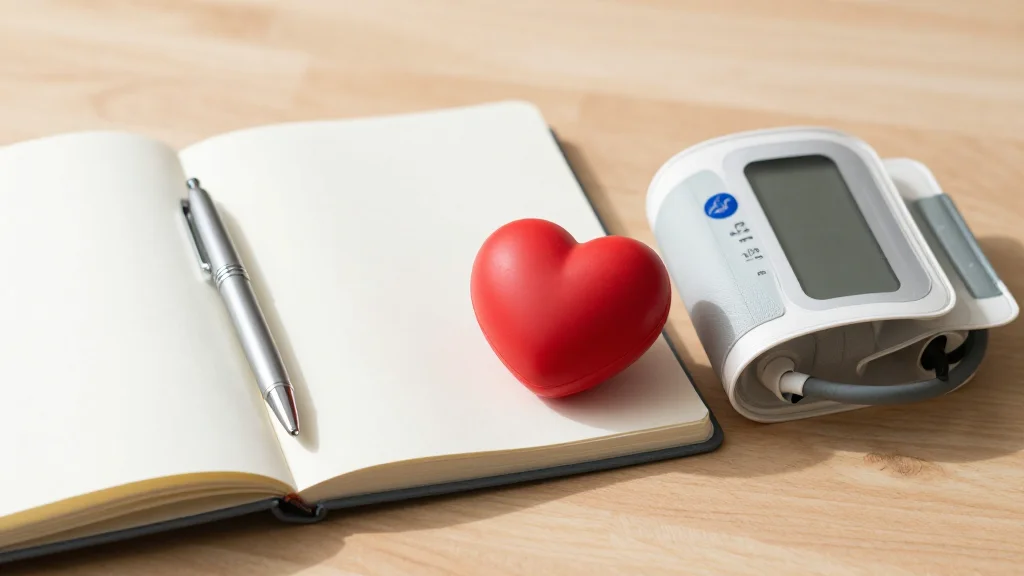
Gratitude Journaling Cuts Systolic Blood Pressure by Up to 8 mmHg, Review Finds

Why It Matters
The findings matter because they provide empirical support for a low‑cost, self‑administered practice that can complement traditional cardiovascular risk‑reduction strategies. By demonstrating a measurable impact on blood pressure—a primary modifiable risk factor—health policymakers may consider integrating positive‑psychology programs into public‑health initiatives, especially for underserved populations where access to medical care is limited. Moreover, the review underscores the growing convergence of mental‑health research and cardiology, suggesting that future guidelines could formally recognize psychological well‑being as a therapeutic target. This shift could drive investment in digital therapeutics, training for primary‑care providers, and insurance coverage for evidence‑based mindfulness and gratitude interventions.
Key Takeaways
- •Review of 18 randomized trials links gratitude journaling to a 4‑8 mmHg systolic blood‑pressure drop.
- •Interventions lasted eight to twelve weeks and included gratitude journaling, optimism training, and mindfulness meditation.
- •Study participants were adults with cardiovascular disease or elevated risk, average age late 50s‑mid‑60s.
- •Trials spanned the United States, Brazil, Iran, India, China, Canada, and the Netherlands.
- •Findings could prompt clinicians to prescribe gratitude journaling as a preventive health measure.
Pulse Analysis
The new review arrives at a moment when the healthcare industry is actively seeking scalable, cost‑effective solutions to curb the rising burden of cardiovascular disease. Traditional risk‑factor management—diet, exercise, pharmacotherapy—has plateaued in its impact, prompting clinicians to explore behavioral adjuncts. Gratitude journaling, once relegated to the realm of self‑help, now enjoys a foothold in peer‑reviewed cardiology literature, signaling a potential paradigm shift.
Historically, mental‑wellness interventions have struggled to gain traction in clinical guidelines due to limited high‑quality evidence. This synthesis of 18 randomized trials changes that narrative by providing a meta‑analytic signal that is both statistically and clinically relevant. A four‑to‑eight‑mmHg reduction in systolic pressure translates into a roughly 5‑10% decrease in stroke risk, according to epidemiological models. If future trials confirm durability, insurers may view PPIs as a reimbursable preventive service, spurring a wave of digital‑health startups focused on guided journaling and mindfulness.
However, the heterogeneity across studies—varying delivery formats, cultural contexts, and participant demographics—means that blanket recommendations would be premature. Policymakers should encourage standardized protocols and long‑term follow‑up to assess outcomes such as myocardial infarction rates and mortality. In the interim, clinicians can adopt a pragmatic approach: recommend gratitude journaling as an adjunct for patients already engaged in lifestyle modification, monitoring blood‑pressure trends to gauge individual response. The coming year of large‑scale trials will be decisive in determining whether gratitude journaling graduates from a promising adjunct to a core component of cardiovascular prevention.
Gratitude Journaling Cuts Systolic Blood Pressure by Up to 8 mmHg, Review Finds
Comments
Want to join the conversation?
Loading comments...