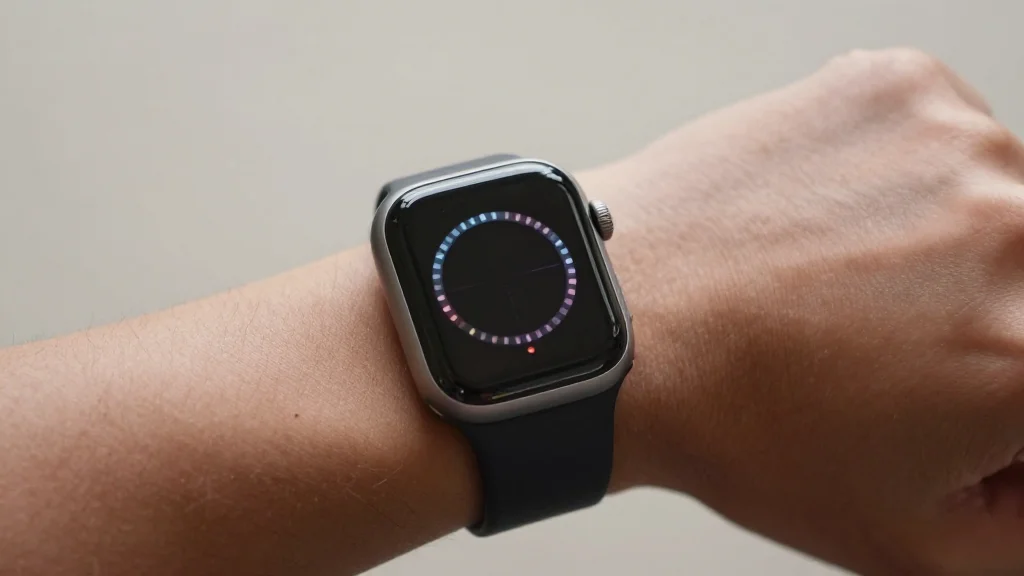
Headspace Debuts Apple Watch App That Uses Heart‑Rate Data to Prompt Real‑Time Breathing Breaks

Companies Mentioned
Why It Matters
The Headspace Apple Watch update illustrates how biometric data can be repurposed for mental‑health interventions, moving mindfulness from scheduled sessions to context‑aware micro‑breaks. This shift could reshape user expectations for wellness apps, making real‑time responsiveness a competitive necessity. Moreover, the launch tests consumer tolerance for continuous health monitoring, a factor that will influence regulatory frameworks and data‑privacy standards across the broader digital‑health ecosystem. If the model proves effective, other meditation platforms may accelerate their own sensor‑driven features, potentially leading to a wave of personalized, on‑demand mental‑health tools. The convergence of wearables, biometric analytics, and subscription‑based content could also attract new investment into the mindfulness space, spurring innovation but also intensifying scrutiny over data ethics.
Key Takeaways
- •Headspace released an Apple Watch app on May 13, 2026 that uses heart‑rate variability to trigger breathing prompts.
- •The app works on Apple Watch Series 6‑11, SE (2nd/3rd gen) and Ultra, requiring watchOS 26.1+.
- •Paid subscriptions cost $13/month or $70/year; free users receive only a basic haptic cue.
- •Features include SOS mode with emotion tags, morning meditation shortcuts, and sleep‑wind‑down sessions.
- •Available in 190 countries, the update aims to boost engagement in a $4.5 billion global mindfulness‑app market.
Pulse Analysis
Headspace’s biometric‑driven approach marks a strategic pivot from content‑centric to context‑centric wellness. By leveraging heart‑rate variability, the company transforms a passive subscription into an active, data‑informed service that can intervene precisely when users need it. This could increase daily active usage metrics, a key driver of subscription renewal rates, and set a new performance baseline for the industry.
Historically, meditation apps have relied on user‑initiated sessions, limiting stickiness to habit formation. The integration of physiological triggers aligns with broader trends in digital health where continuous monitoring informs real‑time interventions, as seen in sleep‑tracking and fitness coaching. Headspace’s move may force competitors to adopt similar sensor‑fusion strategies or risk losing market share to a more engaging, personalized experience.
Regulatory and privacy considerations will shape the trajectory of such features. While Headspace emphasizes on‑device encryption and a no‑sale policy for health data, any breach or misuse could trigger stricter oversight, potentially curbing the rapid rollout of biometric‑based mental‑health tools. Investors will watch adoption rates closely; strong uptake could validate the $13‑$70 pricing model and justify further R&D into AI‑enhanced stress prediction, while tepid response might push the market back toward simpler, less data‑intensive solutions.
Headspace Debuts Apple Watch App That Uses Heart‑Rate Data to Prompt Real‑Time Breathing Breaks
Comments
Want to join the conversation?
Loading comments...