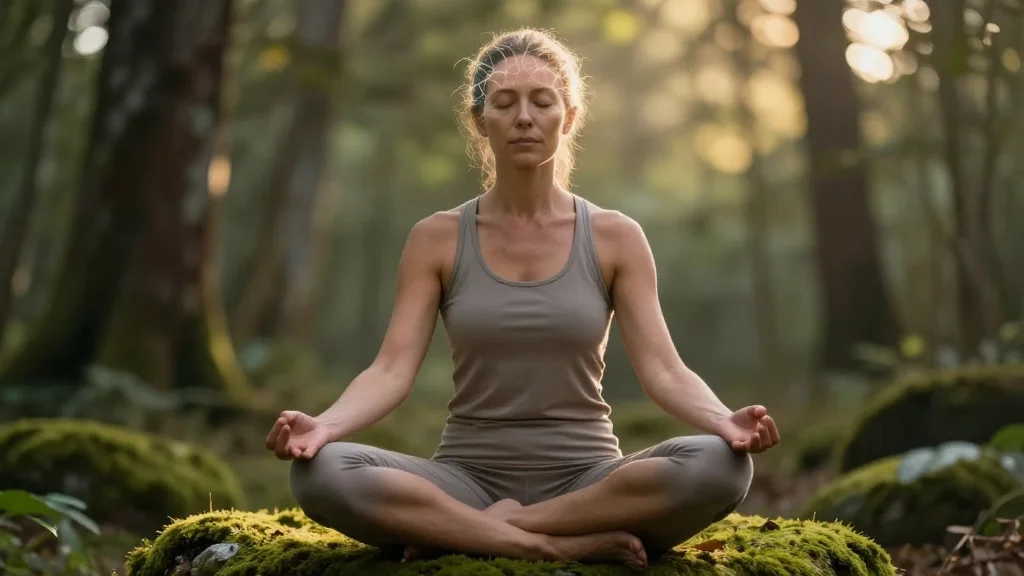
One‑Week Intensive Meditation Boosts Neuroplasticity and Immune Markers, Study Shows

Why It Matters
The study provides the first peer‑reviewed evidence that a brief, intensive meditation regimen can produce concrete neurobiological and immunological changes. This challenges the prevailing assumption that meaningful benefits require long‑term practice, opening the door for clinicians to consider short‑term retreats as therapeutic tools. Moreover, the findings could influence insurance reimbursement policies and corporate wellness strategies, potentially making evidence‑based meditation more accessible to diverse populations. Beyond healthcare, the results may catalyze new product development in the wellness tech space, prompting companies to design immersive, week‑long digital retreats that mimic the study’s protocol. If the biological effects are confirmed and sustained, meditation could move from a lifestyle supplement to a mainstream medical intervention, reshaping public health approaches to stress, anxiety and chronic pain.
Key Takeaways
- •Seven days of intensive meditation increased neuroplasticity markers and brain connectivity.
- •Stress hormone cortisol levels dropped significantly during the retreat.
- •Blood tests showed a surge in proteins that support synapse formation and immune signaling.
- •Study led by UC San Diego’s Hemal H. Patel emphasizes a ‘systemic overhaul’ of biology.
- •Findings could prompt insurers and clinicians to adopt short‑term meditation programs.
Pulse Analysis
The UC San Diego study arrives at a pivotal moment when the meditation industry is seeking scientific validation to justify its rapid growth. Historically, mindfulness research has focused on longitudinal studies, often requiring months of practice to detect brain changes. By demonstrating that a concentrated, week‑long protocol can elicit comparable neuro‑immune responses, the research reframes meditation as a dose‑responsive therapy, akin to a short‑term pharmacological regimen. This paradigm shift could lower barriers to adoption, especially for patients who lack time or resources for prolonged training.
From a market perspective, the data give tech platforms a compelling narrative to market immersive retreat experiences, potentially driving investment in virtual reality‑guided meditation and AI‑personalized programs. However, scalability remains a challenge; the study’s controlled environment—live instruction, group dynamics, and a dedicated space—may be difficult to replicate at scale. Companies that can bridge this gap with hybrid models (online instruction combined with brief in‑person intensives) stand to capture a new segment of health‑conscious consumers.
Clinically, the findings could influence guideline committees that have been hesitant to endorse meditation without robust biomarkers. If subsequent trials confirm durability of the effects, professional bodies may begin to recommend week‑long retreats as adjunctive therapy for anxiety disorders, PTSD, and chronic pain. Insurance carriers, always wary of cost‑effectiveness, may find the short‑duration model attractive, potentially leading to coverage for evidence‑based meditation programs. The next research wave—focused on long‑term outcomes and comparative effectiveness—will determine whether this breakthrough translates into lasting policy and market change.
One‑Week Intensive Meditation Boosts Neuroplasticity and Immune Markers, Study Shows
Comments
Want to join the conversation?
Loading comments...