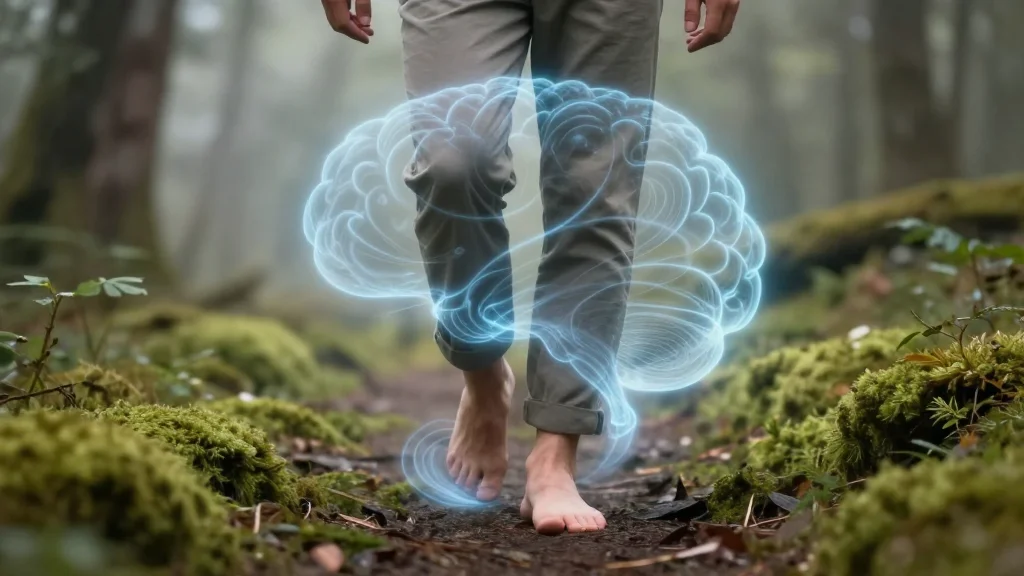
Penn State Study Finds Each Step Triggers Brain‑Cleaning Glymphatic Flow

Why It Matters
The link between movement and glymphatic clearance could reshape how meditation practitioners frame walking as a therapeutic tool. By grounding mindfulness in a measurable physiological process, the study offers a bridge between subjective experience and objective health outcomes, potentially expanding the appeal of walking meditation to clinicians and insurers. Moreover, if regular stepping can modestly boost waste removal, it may become a low‑cost adjunct in strategies to delay neurodegenerative conditions such as Alzheimer’s disease. Beyond individual health, the findings could influence public‑policy discussions about sedentary work environments. Employers might incorporate brief walking breaks not only for productivity but also for brain health, aligning corporate wellness programs with emerging neuroscience.
Key Takeaways
- •Study published April 2026 in Nature Neuroscience shows each step moves cerebrospinal fluid.
- •Penn State team led by Prof. Patrick Drew identified a hydraulic mechanism linking abdominal pressure to brain displacement.
- •Mouse experiments used two‑photon microscopy and micro‑CT to visualize brain shift before movement.
- •Researchers modeled the brain as a sponge; fluid flow cleans metabolic waste.
- •Human studies are needed to confirm relevance for walking meditation and neurodegeneration prevention.
Pulse Analysis
The Penn State discovery arrives at a moment when the meditation industry is seeking hard‑science validation for its practices. Historically, benefits of walking meditation have been documented anecdotally or through broad epidemiological studies linking physical activity to mental health. This new mechanistic insight adds a concrete physiological pathway that could be quantified in future trials, potentially turning a qualitative practice into a measurable therapeutic modality.
From a market perspective, the finding may spur a wave of product development aimed at optimizing gait for brain health—think smart shoes that monitor step cadence and core engagement, or guided walking meditation apps that integrate breathing cues to maximize abdominal pressure. Companies already selling mindfulness wearables could leverage the research to differentiate their offerings, positioning themselves at the intersection of neuroscience and wellness.
Looking ahead, the key challenge will be translating rodent data to human physiology. Human glymphatic flow is influenced by sleep, posture, and vascular health, so researchers must isolate the incremental contribution of walking. If subsequent human trials confirm a meaningful effect, we could see a shift in clinical guidelines, recommending specific walking regimens as part of preventive neurology. Until then, the study serves as a compelling hypothesis that re‑energizes the conversation around movement‑based meditation and its role in brain maintenance.
Penn State Study Finds Each Step Triggers Brain‑Cleaning Glymphatic Flow
Comments
Want to join the conversation?
Loading comments...