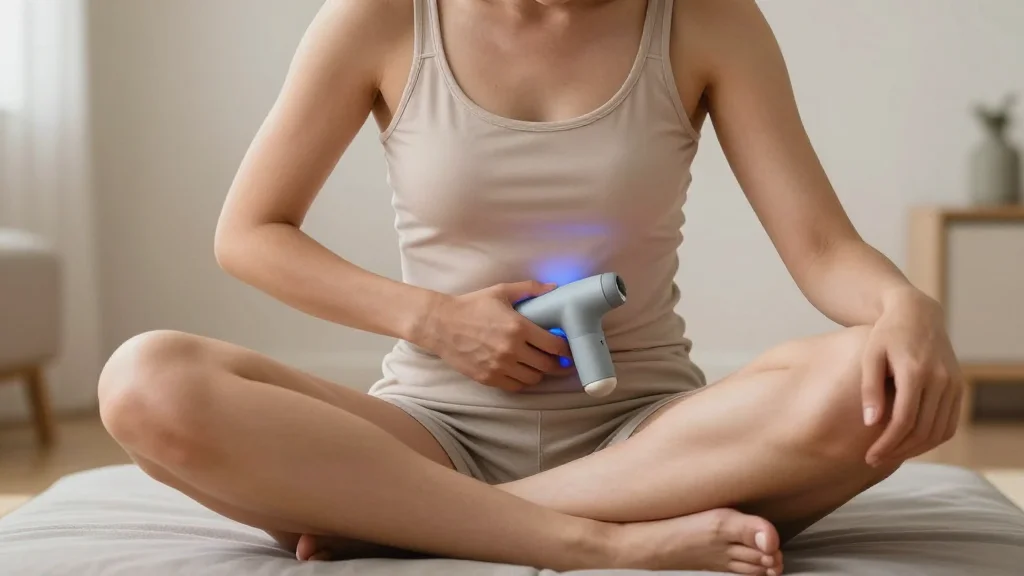
Sternal Vibration Boosts White‑Matter Density and Body Awareness

Why It Matters
The study bridges two rapidly expanding domains: mindfulness meditation and peripheral neurostimulation. By demonstrating that a brief, non‑invasive vibration can enhance brain microstructure and interoceptive capacity, the research offers a tangible pathway to improve outcomes for trauma‑affected individuals who often struggle with traditional talk therapies. Enhanced white‑matter integrity in the corticospinal tract may translate to better sensorimotor integration, a core deficit in many PTSD patients. Beyond PTSD, the findings could inform interventions for a range of conditions where body awareness is compromised, such as anxiety disorders, chronic pain, and somatic symptom disorders. If subsequent trials confirm durability and generalizability, sternal vibration could become a standard adjunct in mindfulness‑based programs, expanding the therapeutic toolkit without adding significant cost or complexity.
Key Takeaways
- •116 trauma‑exposed adults participated; 60 received sternal vibration, 56 served as controls.
- •Vibration group showed a significant increase in neurite density index in the left cerebral peduncle (p < 0.01).
- •Body awareness improved more in the vibration group (p = 0.032) and correlated with reduced dissociation.
- •White‑matter gains were replicated in both left and right corticospinal tracts (p = 0.007 and p = 0.004).
- •Researchers plan larger, sham‑controlled trials to test durability and broader applicability.
Pulse Analysis
The convergence of mindfulness and peripheral stimulation marks a shift from purely cognitive approaches toward embodied interventions that target the nervous system directly. Historically, neurostimulation has been dominated by high‑cost, clinic‑based technologies like transcranial magnetic stimulation (TMS) and deep brain stimulation (DBS). Sternal vibration, by contrast, leverages a simple mechanical cue that can be self‑administered, aligning with the growing demand for scalable mental‑health solutions.
From a market perspective, the low barrier to entry could spur rapid adoption among private practitioners and integrated health systems seeking cost‑effective adjuncts to psychotherapy. Companies that manufacture wearable vibration devices may see a new niche, prompting partnerships with mindfulness app developers to embed the protocol into digital therapeutic platforms. However, the field must navigate regulatory scrutiny; while the device itself is likely to be classified as a low‑risk medical device, claims about neuroplastic benefits will require robust, peer‑reviewed evidence.
Looking ahead, the key to mainstream acceptance will be replication and longitudinal data. If future studies demonstrate sustained white‑matter changes and clinical improvements over months, insurers may begin to reimburse for the adjunctive use of sternal vibration. This could catalyze a broader movement toward multimodal, body‑focused mental‑health care, positioning vibration‑augmented mindfulness as a cornerstone of next‑generation therapeutic strategies.
Sternal Vibration Boosts White‑Matter Density and Body Awareness
Comments
Want to join the conversation?
Loading comments...