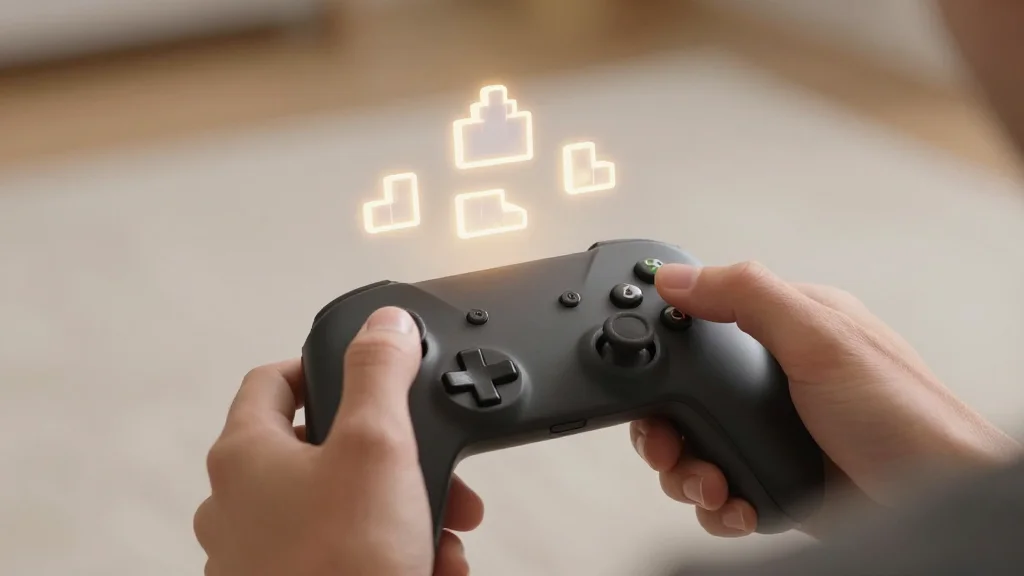
Tetris Play Cuts PTSD Flashbacks by 30% in New Uppsala Study

Why It Matters
The discovery offers a pragmatic, low‑cost tool that can be deployed instantly after trauma, addressing a critical gap in early‑intervention services where meditation programs often require weeks of training. By demonstrating that a simple, widely accessible game can produce measurable clinical benefits, the study challenges the notion that effective mental‑health interventions must be expensive or time‑intensive. If adopted broadly, the approach could democratize trauma care, especially in low‑resource settings where access to trained meditation teachers or therapists is limited. It also opens a new research frontier exploring how other everyday digital activities might be harnessed to modulate memory processing, potentially expanding the toolkit for clinicians seeking alternatives to traditional mindfulness‑based therapies.
Key Takeaways
- •Uppsala University study published in Nature shows Tetris reduces PTSD flashbacks by up to 30% when played within six hours of trauma.
- •The intervention uses visuospatial working memory overload to disrupt memory consolidation.
- •Trials included emergency workers, accident survivors, burn victims, and a pilot with U.S. military personnel.
- •Swedish health insurers and U.S. military are piloting the protocol in emergency and combat settings.
- •Researchers plan follow‑up trials to assess long‑term effects and integration with meditation‑based programs.
Pulse Analysis
The Tetris finding arrives at a moment when digital therapeutics are gaining legitimacy alongside traditional mind‑body practices. Historically, meditation has been championed for its ability to rewire attention networks, but it typically requires sustained practice and skilled guidance. Tetris, by contrast, offers an ultra‑brief, self‑administered intervention that can be delivered at the point of care. This creates a complementary dynamic: meditation builds enduring resilience, while Tetris provides an acute buffer against intrusive memories.
From a market perspective, the result could accelerate consolidation among wellness app developers eager to embed evidence‑based modules into their platforms. Companies that have previously focused on meditation playlists may now seek to license the Tetris protocol or develop proprietary games that target similar cognitive pathways. The low barrier to entry also raises questions about regulatory oversight; as the intervention moves from research labs to clinical settings, agencies will need clear guidelines on efficacy claims and safety monitoring.
Looking ahead, the key challenge will be integrating the gaming approach without diluting the therapeutic intent of meditation. If clinicians can position Tetris as a gateway—introducing patients to the concept of intentional attention control—then the two modalities could reinforce each other, expanding the reach of mental‑health care. The next wave of studies will determine whether this hybrid model can deliver sustained outcomes, potentially reshaping how the broader health system conceptualizes low‑cost, scalable interventions for trauma and anxiety.
Tetris Play Cuts PTSD Flashbacks by 30% in New Uppsala Study
Comments
Want to join the conversation?
Loading comments...