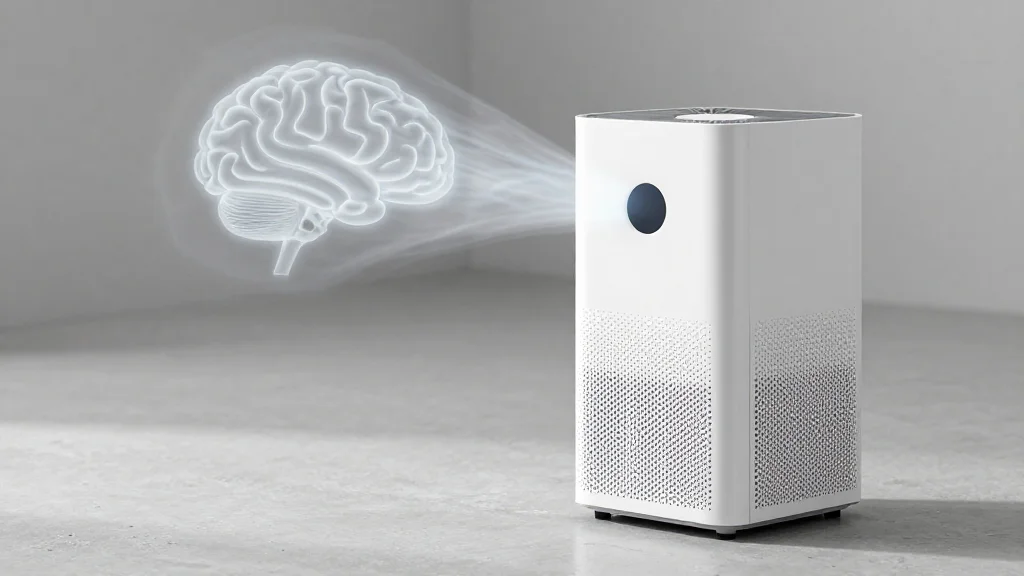
This Small Change At Home Improved Brain Performance In Just 4 Weeks
Why It Matters
The findings demonstrate that a low‑cost, home‑based air‑quality upgrade can measurably boost mid‑life cognitive performance, offering a scalable public‑health lever as the workforce ages.
Key Takeaways
- •HEPA purifier use cut executive‑function test time by 12% in adults 40+.
- •Randomized crossover trial compared active purifier to sham device over one month.
- •Improved air quality likely reduces particulate‑induced inflammation in brain white matter.
- •Younger participants showed no significant cognitive gains, highlighting age‑related sensitivity.
- •Simple home interventions can boost mental flexibility comparable to modest exercise.
Pulse Analysis
The study, published in Nature Scientific Reports, enrolled 119 volunteers from a high‑traffic region and subjected each participant to two one‑month phases: an active HEPA filtration period and a visually identical sham period, separated by a washout interval. Cognitive performance was quantified using the Trail Making Test, a validated metric for processing speed and executive function. Results showed a statistically significant 12% reduction in completion time for the more complex test segment among adults over 40 during the filtration phase, while younger cohorts exhibited no measurable benefit.
Fine particulate matter (PM2.5) from traffic and indoor sources can penetrate deep into the lungs, enter the bloodstream, and trigger systemic inflammation that reaches the brain. Chronic exposure compromises white‑matter integrity, the neural highways that coordinate information flow across regions, leading to slower decision‑making and reduced mental flexibility. By capturing these particles, HEPA filters diminish the inflammatory cascade, effectively lowering the neuro‑toxic load. The cognitive boost mirrors gains seen with modest increases in aerobic activity, underscoring air quality as a modifiable determinant of brain health alongside diet and exercise.
For consumers and employers, the implications are straightforward: investing in high‑efficiency air filtration can yield tangible productivity gains, especially for mid‑career professionals whose cognitive stamina directly impacts performance. Real‑world adoption may involve placing purifiers in bedrooms and home offices, improving ventilation, and monitoring outdoor AQI to limit pollutant ingress. As the market for indoor‑air solutions expands, businesses can leverage these findings to justify wellness budgets, while policymakers might consider incentives for residential filtration in high‑pollution zones, turning a simple household upgrade into a public‑health asset.
This Small Change At Home Improved Brain Performance In Just 4 Weeks
Comments
Want to join the conversation?
Loading comments...