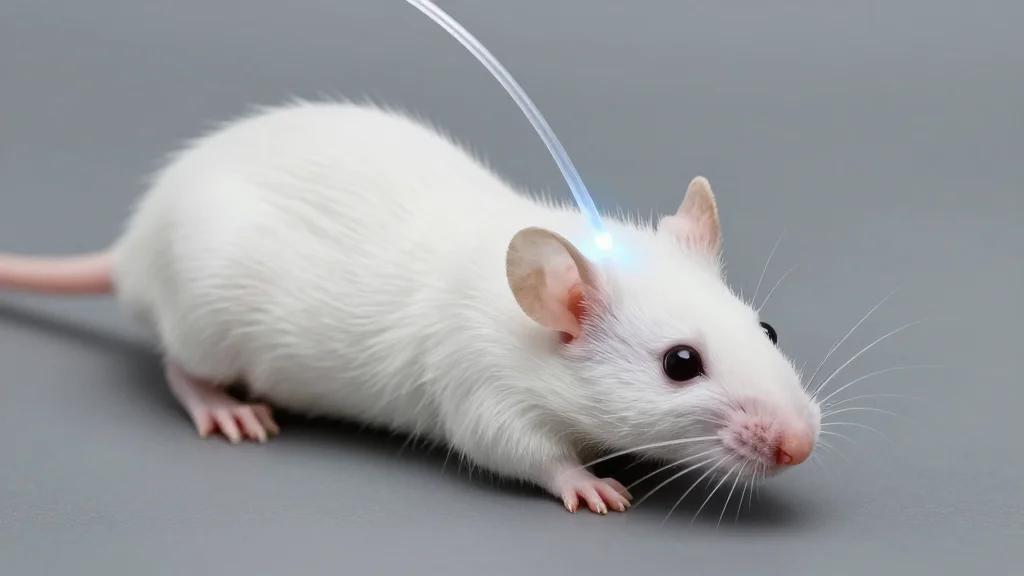
UCLA Study Shows Slow Breathing Calms Anxiety in Mice Without Mindfulness

Why It Matters
The study challenges the assumption that mindfulness is a prerequisite for breath‑based calming, suggesting that the physiological act of slowing respiration alone can trigger anxiety‑reducing pathways. This could democratize breathwork, making it accessible to individuals who struggle with the attentional demands of traditional meditation. Moreover, the identification of the pre‑Bötzinger complex as a key node offers a concrete neurobiological target for future therapies, potentially expanding the toolbox for clinicians treating stress‑related disorders. For the broader meditation industry, the findings may prompt a shift toward technology‑driven breathing interventions that prioritize rhythm over awareness. Apps, wearables, and even virtual‑reality experiences could integrate automated pacing cues, reducing reliance on user‑generated mindfulness and potentially improving adherence and outcomes.
Key Takeaways
- •UCLA researchers used optogenetics to slow mouse breathing by up to 70 percent.
- •Slow‑breathing mice showed a 40 percent reduction in anxiety‑related behaviors.
- •Jack Feldman emphasized the effect is not a placebo because mice lack expectation.
- •The pre‑Bötzinger complex, the brainstem breathing hub, operates automatically in mammals.
- •Findings suggest breathwork benefits may be achievable without conscious mindfulness.
Pulse Analysis
Feldman's work arrives at a moment when the wellness market is saturated with mindfulness‑centric products. By isolating a physiological mechanism that operates independently of conscious attention, the study provides a scientific foothold for a new class of interventions that could bypass the cognitive barriers many users face. Historically, breathwork has been framed as a skill that requires practice and mental focus; this research reframes it as a lever that can be pulled automatically, akin to a reflex.
From a competitive standpoint, meditation platforms that rely on guided attention may need to adapt. Companies like Calm and Headspace have already experimented with paced‑breathing modules, but those are still couched in mindfulness language. If subsequent human trials confirm that non‑mindful slow breathing yields comparable anxiolytic effects, we could see a wave of products that market "automatic calm" rather than "mindful breathing," potentially attracting a broader demographic, including those who view mindfulness as religious or time‑consuming.
Looking ahead, the translational challenge will be to replicate the optogenetic precision of Feldman's mouse model in humans. Non‑invasive neuromodulation, biofeedback, or AI‑driven breath‑training devices could bridge that gap. The key will be demonstrating that the pre‑Bötzinger complex can be modulated safely at scale. If successful, the industry may witness a paradigm shift where the breath becomes a therapeutic tool rooted in neurobiology rather than solely in contemplative practice, expanding both clinical applications and commercial opportunities.
UCLA Study Shows Slow Breathing Calms Anxiety in Mice Without Mindfulness
Comments
Want to join the conversation?
Loading comments...