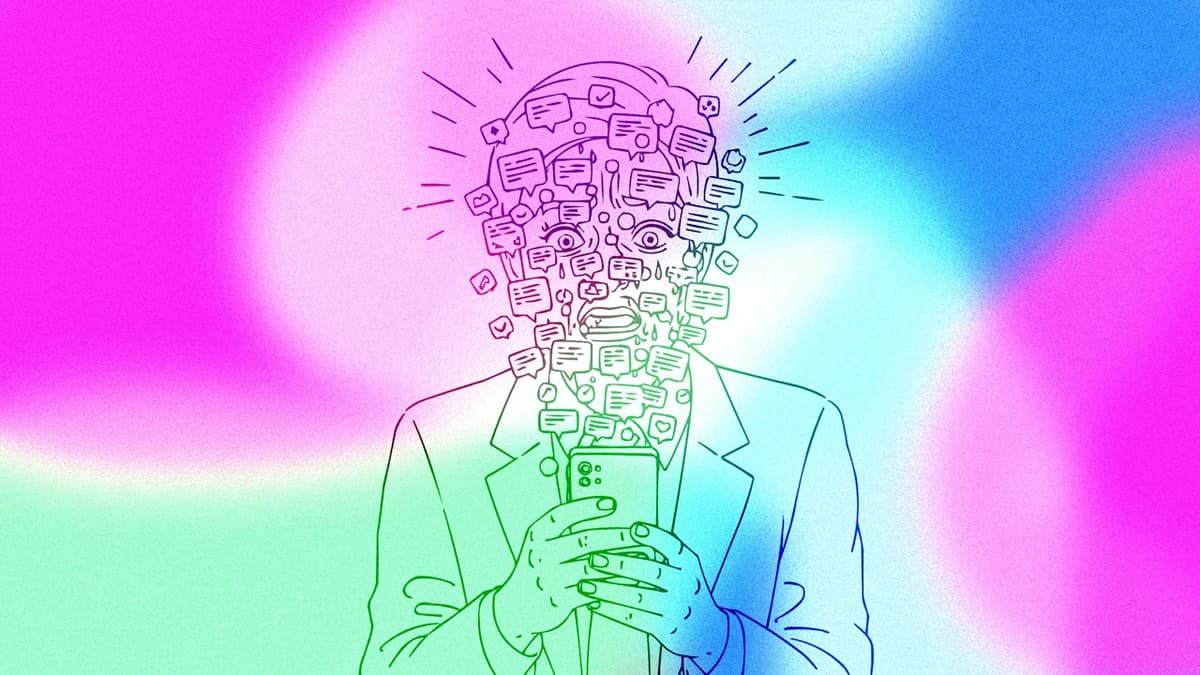
Are You Part of the ‘Distraction Economy’?
•March 12, 2026
0
Why It Matters
When distraction replaces deliberate focus, both personal fulfillment and organizational effectiveness suffer, making attention a strategic asset worth protecting.
Key Takeaways
- •Constant distractions erode self-awareness and meaningful engagement.
- •Deep work fosters self-knowledge beyond productivity gains.
- •Daily attention discipline rebuilds focus and personal purpose.
- •Reactive behavior stems from habitually fragmented attention.
- •Art or philosophy practice sharpens sustained attention.
Pulse Analysis
The article reframes today’s “attention economy” as a “distraction economy,” arguing that relentless stimuli not only waste time but also displace the self. When work, social feeds, and endless notifications dominate, individuals use busyness to avoid uncomfortable thoughts, effectively outsourcing self‑reflection. This shift erodes the capacity to make deliberate choices, turning attention into a commodity extracted by platforms rather than a tool for personal agency. This loss is often silent, making it harder to detect, and recognizing the distinction is the first step toward reclaiming mental autonomy in a market built on constant engagement.
Cal Newport’s deep‑work principle is presented not merely as a productivity hack but as a pathway to self‑knowledge. Sustained, distraction‑free focus reveals what individuals truly find meaningful, exposing values that surface only when the mind is not constantly nudged toward the next click. For leaders, this translates into better decision‑making, stronger empathy, and the ability to spot early signs of burnout among team members. Companies that encourage deep work can therefore nurture more authentic talent, turning attention into a strategic asset rather than a fleeting metric. Such insight also fuels innovation by aligning projects with intrinsic motivation.
Rebuilding attention requires deliberate discipline rather than punitive restriction. Simple practices—such as five minutes of uninterrupted art viewing or reading a philosophical passage—train the brain to stay present and expose the extent of attentional erosion. Regular digital fasts can reset habits, but daily micro‑habits cement lasting change. Over time, restored focus enhances creativity, improves interpersonal responsiveness, and aligns professional actions with personal purpose. Leaders who model focused behavior set cultural norms that resist constant interruption. In a landscape saturated with distractions, choosing where to direct attention becomes a competitive advantage for both individuals and organizations.
Are you part of the ‘distraction economy’?
0
Comments
Want to join the conversation?
Loading comments...