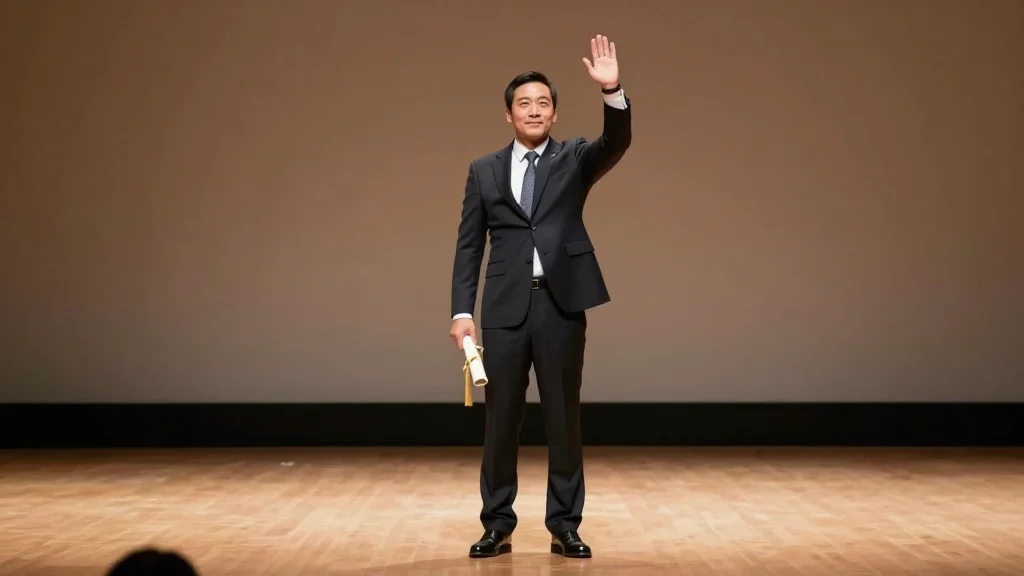
Colman Domingo Urges Temple Grads to Bring Their Whole Philly Selves to the World

Why It Matters
Domingo’s address highlights a growing trend in motivational discourse: the emphasis on authenticity as a driver of personal and professional fulfillment. In an era where mental‑health concerns and identity politics dominate campus conversations, a high‑profile figure championing whole‑self leadership validates students’ lived experiences and encourages institutions to embed inclusive practices into curricula and support services. Moreover, the speech may influence how employers evaluate candidates, shifting focus from polished résumés to the richness of diverse backgrounds. The broader motivation space stands to benefit from this narrative because it reframes success metrics. Rather than measuring achievement solely through external accolades, the message invites a re‑definition of success that includes cultural heritage, personal quirks, and community ties. If universities and companies adopt this lens, we could see a ripple effect: more mentorship programs that honor cultural identity, recruitment strategies that celebrate regional pride, and a workforce that feels empowered to bring their full selves to work.
Key Takeaways
- •Colman Domingo delivered a commencement speech at Temple University on May 6, 2026.
- •He received an honorary doctorate and urged graduates to be their "whole self" and "Philly self."
- •Domingo’s background: West Philadelphia native, former journalism student who dropped out to act.
- •The speech sparked discussion on authenticity, identity and motivation in higher‑education circles.
- •Graduates will face the summer internship season, testing the applicability of Domingo’s whole‑self message.
Pulse Analysis
Domingo’s speech is more than a feel‑good moment; it signals a pivot in motivational rhetoric toward identity‑centric leadership. Historically, commencement addresses have leaned on universal platitudes about hard work and perseverance. By foregrounding cultural specificity—"your Philly self"—Domingo taps into a lineage of place‑based storytelling that resonates with Gen‑Z’s desire for relevance and belonging. This shift aligns with research showing that individuals who feel their identities are acknowledged at work report higher engagement and lower turnover.
From a market perspective, the speech could catalyze new partnerships between universities and cultural organizations seeking to embed authenticity into student development programs. Companies may also reinterpret diversity, equity, and inclusion (DEI) initiatives, moving from checkbox compliance to genuine whole‑self integration. If employers begin to value the nuanced narratives that graduates bring, recruitment pipelines could evolve to prioritize storytelling ability and cultural fluency alongside technical skills.
Looking ahead, the real test will be whether the momentum translates into measurable outcomes—higher retention rates, more inclusive campus climates, and workplaces that celebrate regional and cultural identities. Should these indicators improve, Domingo’s address could be cited as a case study in how motivational messaging, when rooted in authentic identity, can drive systemic change across education and industry.
Colman Domingo urges Temple grads to bring their whole Philly selves to the world
Comments
Want to join the conversation?
Loading comments...