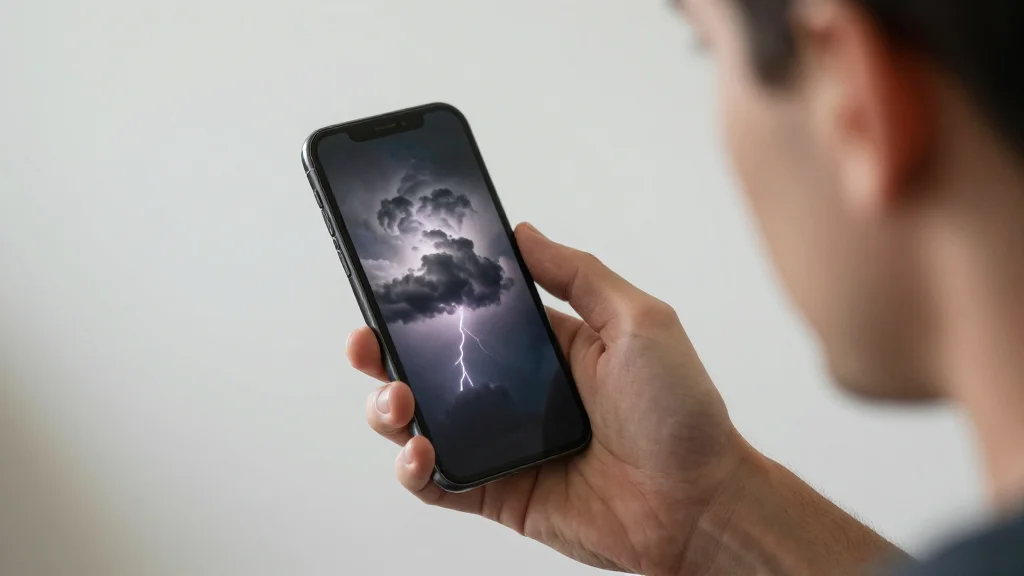
Doomscrolling Fuels Stress and Anxiety, Experts Offer Concrete Fixes

Why It Matters
Doomscrolling directly undermines motivation by hijacking attention and flooding the brain with stress‑inducing stimuli. When cortisol levels rise and focus fragments, productivity drops, goals are postponed, and the feedback loop of anxiety fuels further scrolling. Understanding the habit’s neuro‑chemical roots equips individuals, educators and employers to intervene before chronic stress erodes performance and well‑being. Beyond personal health, the phenomenon has broader societal implications. As more people consume negative news at high frequency, collective mood can shift, influencing public discourse, consumer confidence and even political engagement. Addressing doomscrolling therefore supports not only individual motivation but also healthier community dynamics.
Key Takeaways
- •Average phone checks per day: 55‑144, driving frequent doomscrolling.
- •Experts link doomscrolling to chronic stress, cortisol spikes and anxiety.
- •Dopamine‑driven app designs fragment attention and reinforce the habit.
- •Jemma Egba recommends screen‑free bedtime and routine changes to regain control.
- •Immediate digital‑hygiene steps can improve focus, motivation and mental health.
Pulse Analysis
The surge in doomscrolling reflects a broader shift in how digital ecosystems monetize attention. Algorithms that prioritize short, dopamine‑rich content have turned passive news consumption into an active, compulsive behavior. This not only erodes individual motivation but also reshapes cultural norms around information intake. Companies that redesign feeds to include breaks, content diversity and well‑being prompts could differentiate themselves in a market increasingly wary of mental‑health fallout.
Historically, media consumption spikes during crises, but the mobile era amplifies the effect through constant, personalized streams. The current expert consensus suggests that the habit is reversible with disciplined routine changes, yet the onus remains on platform designers to curb the most addictive loops. As public pressure mounts, we may see regulatory interest in mandating transparency around engagement‑maximizing features, similar to recent proposals for sleep‑mode settings on smartphones.
For individuals, the actionable advice—screen‑free zones, scheduled app‑free periods, and conscious content curation—offers a low‑cost, high‑impact lever to restore agency. When motivation is reclaimed, the ripple effect can improve productivity, creativity and overall life satisfaction, underscoring why tackling doomscrolling is as much a personal health issue as it is a societal imperative.
Doomscrolling Fuels Stress and Anxiety, Experts Offer Concrete Fixes
Comments
Want to join the conversation?
Loading comments...