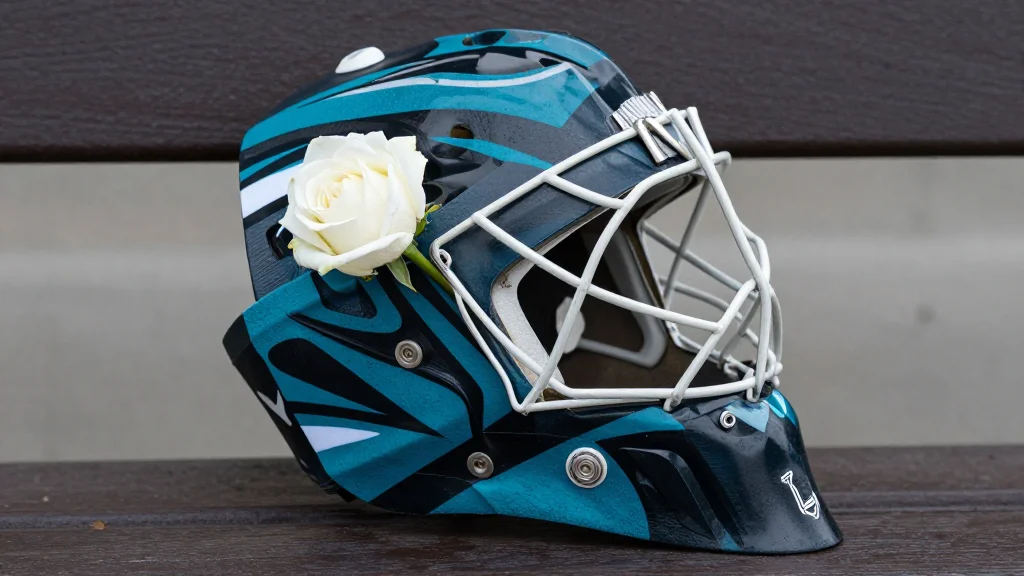
Frederik Andersen’s 23‑Save Masterclass Propels Hurricanes to Eastern Crown After Agent’s Death

Companies Mentioned
Why It Matters
The episode underscores how elite athletes convert personal adversity into heightened performance, offering a case study for sports psychologists and leadership coaches. Andersen’s ability to compartmentalize grief and channel it into focus provides a tangible example of resilience that transcends hockey, informing broader discussions about motivation, mental‑health resources, and team culture in high‑pressure environments. Moreover, the Hurricanes’ public handling of the tragedy—through open communication, visible support, and collective rituals—signals a shift toward more transparent mental‑wellness practices in professional leagues. As other teams observe the on‑ice payoff of such an approach, we may see a league‑wide reevaluation of how organizations address personal loss among players.
Key Takeaways
- •Frederik Andersen made 23 saves in a 6‑1 win that clinched the Eastern Conference title on May 29, 2026.
- •The performance came days after the death of his agent and friend Claude Lemieux.
- •Coach Rod Brind’Amour praised Andersen’s ability to “shake off” the tragedy and deliver a winning effort.
- •Teammates and staff embraced Andersen post‑game, emphasizing the Hurricanes’ “family” ethos.
- •The Hurricanes now face the Vegas Golden Knights in the Stanley Cup Final, testing the durability of their motivational momentum.
Pulse Analysis
Andersen’s display is a textbook illustration of what motivational theory calls ‘post‑traumatic growth.’ Rather than succumbing to the emotional fallout of Lemieux’s death, he leveraged the experience as a catalyst for heightened concentration and purpose. This aligns with research suggesting that athletes who receive strong social support can transform grief into a performance‑enhancing narrative. The Hurricanes’ coordinated response—public acknowledgment, teammate embraces, and a clear rallying cry—created a shared meaning that amplified individual resolve.
Historically, playoff runs have been punctuated by personal hardships, but the visibility of Andersen’s story, amplified by live interviews and social media, elevates it beyond anecdote. It forces the NHL and other leagues to confront the balance between competitive expectations and player well‑being. If the Hurricanes capture the Stanley Cup, the narrative will likely cement a new template: success built on transparent emotional processing rather than stoic suppression.
Looking ahead, the key variable will be sustainability. The emotional high that propelled Game 5 may wane as the series extends, especially against a physically demanding opponent like Vegas. The Hurricanes’ coaching staff will need to manage the fine line between honoring Lemieux’s memory and preventing burnout. Their ability to institutionalize the supportive practices seen in Raleigh could set a precedent for how professional sports teams embed mental‑health frameworks into their competitive strategies.
Frederik Andersen’s 23‑Save Masterclass Propels Hurricanes to Eastern Crown After Agent’s Death
Comments
Want to join the conversation?
Loading comments...