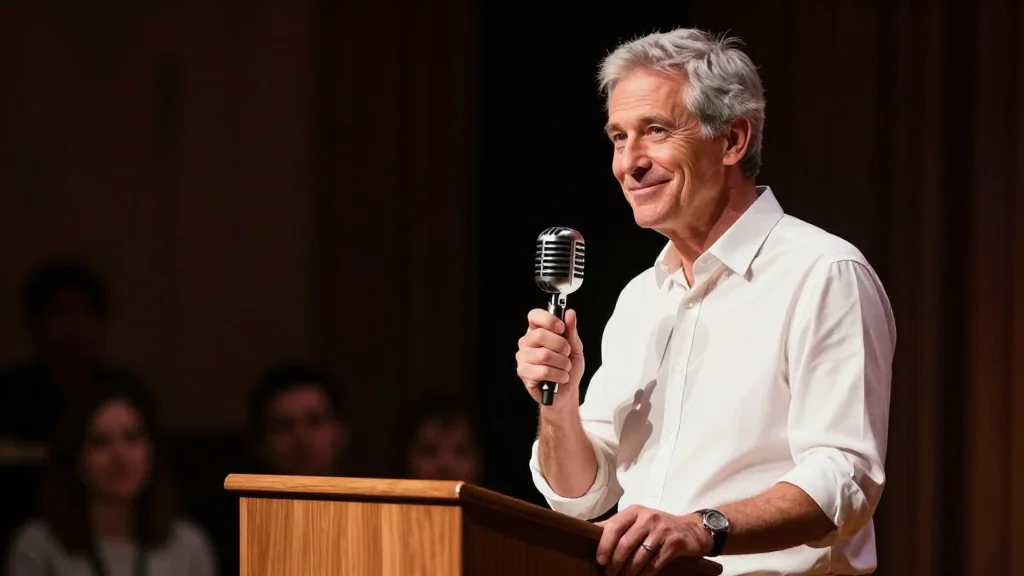
Henry Winkler Urges Graduates to Trust Their Instincts and Persevere

Why It Matters
Winkler’s address underscores the power of personal narrative in motivation, showing that stories of struggle can inspire large, diverse audiences. By publicly acknowledging dyslexia and family pressure, he validates the experiences of many young adults who feel marginalized by traditional academic metrics. This visibility can encourage educational institutions to broaden support for neurodiverse learners and reinforce the value of resilience training in curricula. The speech also highlights a shift toward authenticity in motivational speaking. As audiences grow skeptical of generic advice, speakers who reveal genuine vulnerability—especially those with cultural cachet—are better positioned to influence attitudes and behaviors. Winkler’s blend of humor, humility and hard‑won wisdom may set a template for future keynote addresses, prompting organizers to prioritize speakers who can connect personal adversity to actionable insight.
Key Takeaways
- •Henry Winkler delivered the keynote at Emerson College’s 2026 commencement in Boston.
- •He shared personal stories of dyslexia, family expectations and repeated geometry failures.
- •Winkler urged graduates to trust their instincts, practice empathy and persist despite setbacks.
- •His remarks reflect a broader trend toward authentic, experience‑based motivational speaking.
- •The speech may influence future speaker selections and reinforce support for neurodiverse students.
Pulse Analysis
Winkler’s appearance at Emerson College illustrates how celebrity narratives are becoming a strategic asset in the motivation market. Historically, commencement speeches have leaned on political or academic figures; the pivot to entertainment icons signals a recognition that cultural relevance can amplify message retention. Winkler’s candid discussion of dyslexia dovetails with a growing corporate focus on inclusive leadership, where empathy and neurodiversity are seen as competitive advantages. Companies are increasingly investing in training that mirrors his advice—encouraging employees to listen to internal cues and to view setbacks as learning opportunities.
From a market perspective, the convergence of motivational content and personal branding creates new revenue streams. Publishers are already capitalizing on celebrity memoirs that double as self‑help guides, and podcast platforms are courting similar voices for series on resilience. Winkler’s upcoming children’s book, hinted at in his speech, could extend his influence into early‑life motivation, shaping attitudes before formal education begins. This vertical integration—from keynote to print to digital—exemplifies how a single narrative can be repurposed across multiple channels, driving both brand equity and monetization.
Looking ahead, the key question is whether authenticity can sustain audience engagement over time. While Winkler’s story resonates now, the motivation space will likely demand deeper, data‑backed frameworks to complement anecdotal wisdom. Organizations that blend celebrity insight with evidence‑based practices may capture the most attention, positioning themselves at the intersection of inspiration and measurable outcomes.
Henry Winkler urges graduates to trust their instincts and persevere
Comments
Want to join the conversation?
Loading comments...