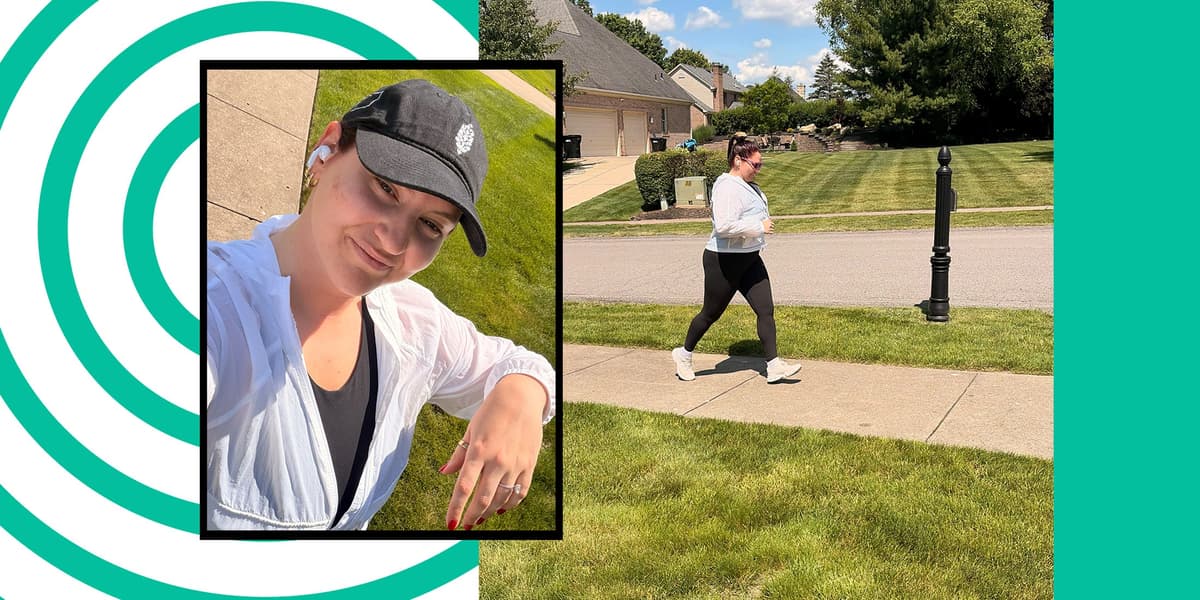
I Hated Running. Then I Committed to Running a Mile Every Day for a Month.
Why It Matters
Shows how daily micro‑habits and peer accountability can create lasting fitness improvements, offering a model for corporate wellness and habit‑formation strategies.
Key Takeaways
- •Daily accountability boosted completion of the 30‑day mile challenge
- •Consistency-focused timing improved stamina more than speed obsession
- •Proper cushioned shoes reduced shin and calf discomfort
- •Flexible cross‑training options can mitigate injury during new routines
- •Small, time‑boxed runs increased energy and digestion for strength athletes
Pulse Analysis
Micro‑challenges like a daily mile tap into habit‑formation science, turning a daunting activity into a repeatable cue. By anchoring the run to a specific time window—15 minutes in Ahdout’s case—cognitive load drops, making the behavior easier to start and sustain. The social element of daily proof‑sharing with a coworker adds external accountability, a proven driver of adherence in both personal fitness and corporate wellness programs. This blend of internal cueing and external pressure creates a feedback loop that reinforces the habit beyond the initial novelty period.
Practical execution matters as much as motivation. Ahdout’s experience underscores the role of proper footwear; max‑cushioned shoes like the Kiprun Kipride Max or Ryka Devotion Swift absorb impact, reducing shin splints and calf strain that often derail new runners. Incorporating interval structures—short jogs, bursts of sprint, and recovery—keeps the routine engaging while limiting overuse injuries. Flexibility in modality, such as swapping a run for low‑impact cardio on pain days, preserves consistency without compromising recovery, a balance critical for athletes transitioning from strength‑focused regimens.
For businesses, the story offers actionable insights. Embedding short, measurable movement challenges into employee programs can boost energy levels, improve digestion, and lower musculoskeletal complaints, translating to higher productivity. Pairing these challenges with peer check‑ins or digital proof‑of‑completion tools amplifies accountability, mirroring Ahdout’s daily proof exchange. As more organizations prioritize holistic health, the daily mile model illustrates a low‑cost, scalable approach to embed regular aerobic activity into busy work lives, fostering a culture where fitness is a shared, achievable goal.
I Hated Running. Then I Committed to Running a Mile Every Day for a Month.
Comments
Want to join the conversation?
Loading comments...