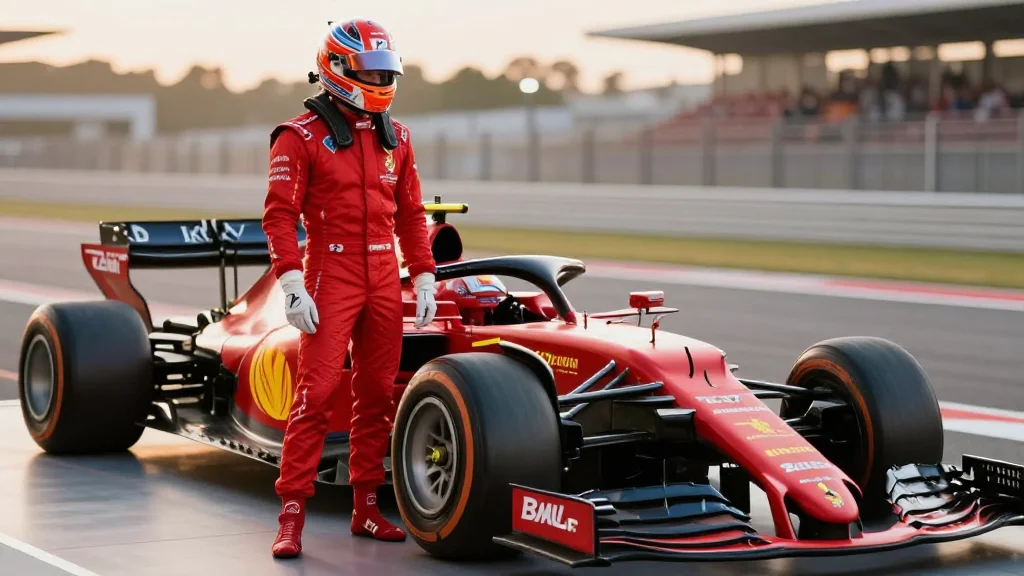
Lewis Hamilton Declares He Still Has What It Takes After Three Races, Citing Mental Resilience

Companies Mentioned
Why It Matters
Hamilton’s statement provides a high‑profile case study of mental resilience in elite sport, illustrating how a champion can reframe criticism into motivation. His approach—intensive training, cultural immersion, and collaborative car development—offers a roadmap for athletes navigating transitions, while also highlighting the psychological dimension of performance that teams must nurture. For the broader Motivation space, his narrative reinforces the importance of mindset work alongside physical preparation. The episode also has commercial implications: a confident, marketable champion can boost sponsor visibility and fan engagement, especially when paired with a storied brand like Ferrari. As teams increasingly prioritize driver well‑being, Hamilton’s experience may accelerate investment in sports‑psychology resources across Formula 1 and other high‑performance domains.
Key Takeaways
- •Lewis Hamilton says he still has what it takes after three races with Ferrari
- •Podium finish in Shanghai marks his first top‑three result for the Scuderia
- •Hamilton credits mental resilience, intensified training, and living at Fiorano
- •New 2026 car aligns with his driving style, boosting confidence
- •His comments highlight the role of mindset in elite driver performance
Pulse Analysis
Hamilton’s public reaffirmation of confidence is more than a personal pep talk; it signals a strategic shift in how top‑level athletes manage narrative control. Historically, champions have often let silence speak for them, but Hamilton’s decision to address critics head‑on reflects a new era where mental branding is as crucial as on‑track results. By framing his comeback as a product of deliberate mental work, he sets a precedent that could encourage other drivers to be more vocal about their psychological preparation.
From a team perspective, Ferrari benefits from a driver who not only delivers points but also actively participates in car development. Hamilton’s involvement in simulator work and his feedback loop with engineers suggest a deeper integration that could accelerate the team’s learning curve. This partnership may pressure rival teams to adopt similar collaborative models, blurring the line between driver and engineer roles.
Looking forward, the sustainability of Hamilton’s momentum will hinge on two variables: the evolution of the 2026 car package and his ability to maintain the mental edge he has articulated. If he can translate his confidence into consistent race wins, the narrative will shift from a comeback story to a championship contender, reshaping the competitive hierarchy in Formula 1 and reinforcing the business case for investing in driver mental health programs.
Lewis Hamilton declares he still has what it takes after three races, citing mental resilience
Comments
Want to join the conversation?
Loading comments...