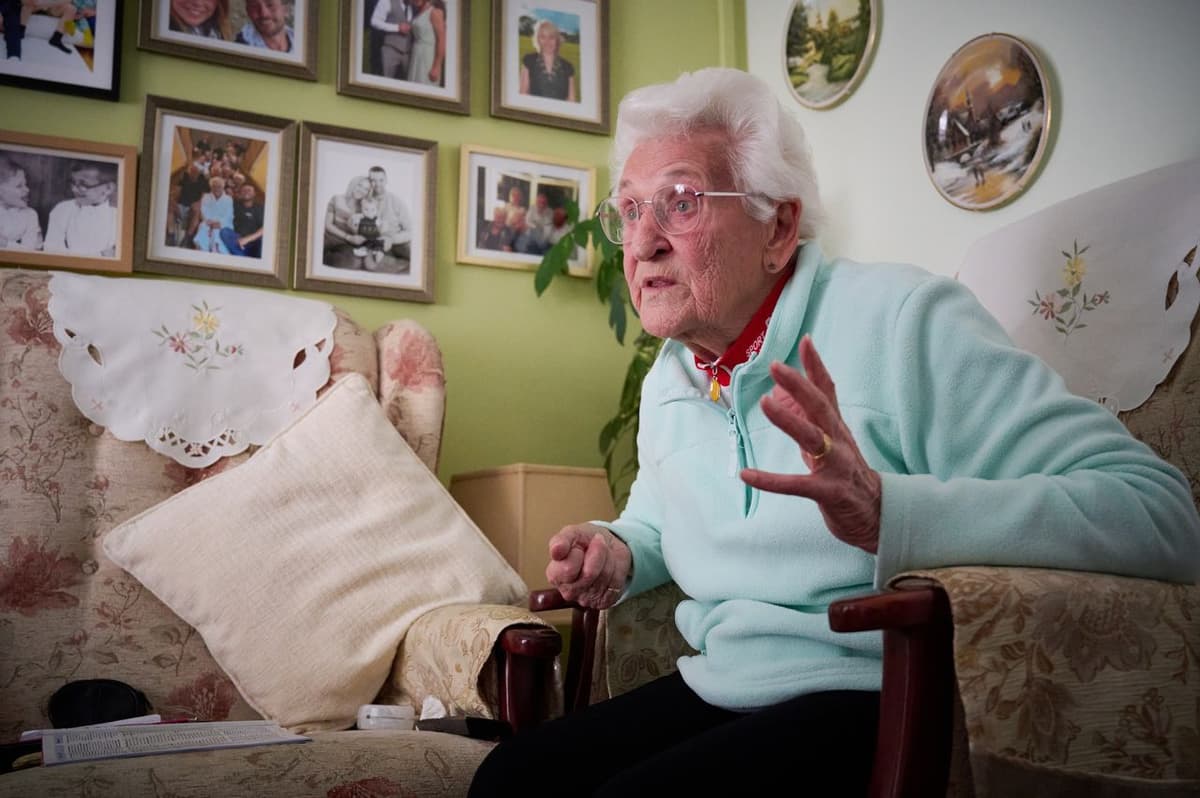
'My Club-Mates Keep Me Going': The 91-Year-Old Former Tour De France Podium Finisher on Staying Motivated to Ride
•March 10, 2026
0
Why It Matters
Hockridge’s longevity demonstrates how community support can sustain athletes well beyond their competitive prime, while her career bridges the gap between early women’s cycling and its modern professional era.
Key Takeaways
- •1957 women's Tour de France podium at age 23
- •Still rides 10–15 miles weekly at 91
- •Club support crucial after husband’s Parkinson’s diagnosis
- •Early racing lacked sponsorship, nutrition, modern coaching
- •Modern women's Tour now multi‑stage, highly professional
Pulse Analysis
The 1950s marked a pioneering era for women’s cycling, and Shirley Hockridge was at its forefront. In 1957 she rode the third edition of the Criterium Cycliste Feminin, a 600‑kilometre, eight‑stage race that pre‑dated today’s Tour de France Femmes. Competing without corporate livery, she built her own wheels and relied on modest club funding, reflecting a time when sponsorships, scientific nutrition and dedicated coaching were virtually non‑existent. Her third‑place finish on the podium underscored the competitive spirit of early female riders, who often balanced sport with full‑time work and family responsibilities.
Decades later, Hockridge’s weekly Thursday rides illustrate the enduring power of cycling clubs as social lifelines. After her husband Mick was diagnosed with Parkinson’s, the club’s regular walks and rides became a vital source of emotional support, enabling her to stay active while caring for a partner in need. This community‑driven model highlights how organized groups can extend athletic participation into senior years, offering structured training, camaraderie, and a sense of purpose that transcends pure competition. For aging athletes, such networks mitigate isolation and promote healthful habits, proving that motivation often stems from shared experiences rather than individual ambition alone.
Today’s women’s Tour de France Femmes showcases a dramatically different landscape: multi‑stage routes, dedicated team managers, sophisticated nutrition plans, and global media coverage. Hockridge reflects on this evolution, noting the increased fitness demands and professional support now available to riders. Her story bridges the gap between the sport’s humble, self‑reliant origins and its current high‑performance ecosystem, offering a compelling narrative for stakeholders seeking to understand the value of grassroots clubs in nurturing talent that can eventually thrive on the world stage.
'My club-mates keep me going': The 91-year-old former Tour de France podium finisher on staying motivated to ride
0
Comments
Want to join the conversation?
Loading comments...