OpenAI CEO Sam Altman Says Disciplined Routine Has "Fallen to Crap"

Companies Mentioned

Why It Matters
Altman's revelation challenges the myth that elite performance requires an unbreakable daily regimen. For the motivation space, it underscores that personal circumstances—parenthood, security threats, and mental health—can fundamentally disrupt even the most disciplined habits. This real‑world case study may push coaches, app developers, and self‑help authors to design more adaptable frameworks that accommodate life’s unpredictability rather than prescribing rigid routines. Furthermore, Altman's openness about his family’s safety concerns brings a new dimension to motivation discourse: the impact of external stressors on personal productivity. As AI leaders become focal points of societal debate, the motivation industry must broaden its scope to include resilience against public scrutiny and physical threats, expanding beyond time‑management to holistic well‑being.
Key Takeaways
- •Sam Altman says his disciplined routine has "fallen to crap"
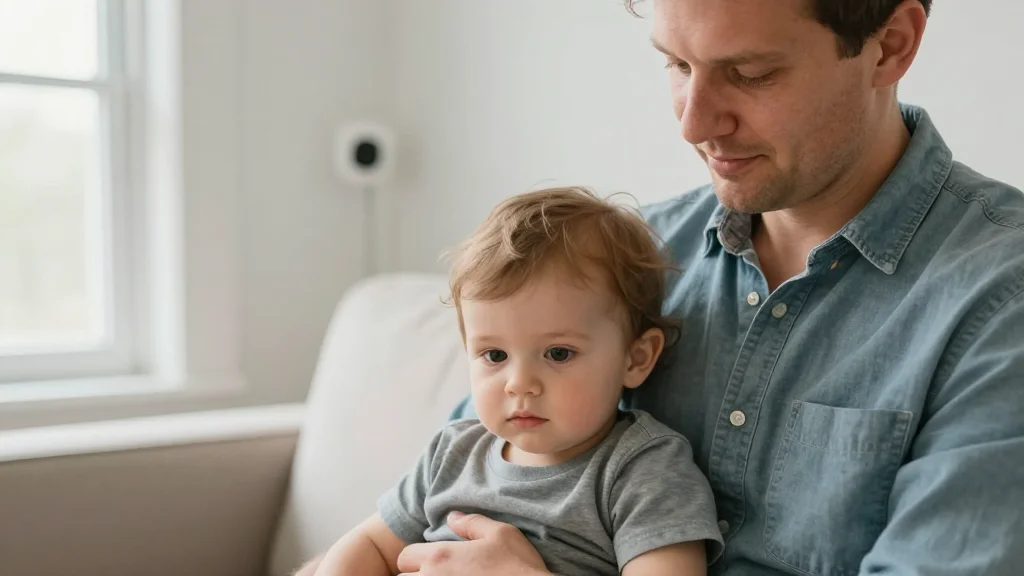
- •Altman welcomed a son in February 2025 and cites fatherhood as a major factor
- •He spends weekends at a $15.7 million Napa ranch without cell‑phone service
- •A 20‑year‑old allegedly threw a Molotov cocktail at Altman's San Francisco home in April
- •Altman’s admission may reshape productivity narratives in the motivation industry
Pulse Analysis
Altman's admission is a rare glimpse into the personal cost of steering a company on the brink of a trillion‑dollar IPO. Historically, tech CEOs have cultivated an image of relentless grind—think Elon Musk’s 100‑hour weeks or Jeff Bezos’ early‑morning routines. Altman's pivot signals a potential cultural shift where high‑profile leaders prioritize family and security over the myth of superhuman stamina. This could erode the market for ultra‑rigid productivity tools that promise exponential output, nudging investors toward platforms that emphasize flexibility, mental health, and resilience.
From a competitive standpoint, OpenAI’s leadership style may influence its talent acquisition. Engineers and researchers increasingly value work‑life balance, especially after the pandemic’s remote‑work experiment. Altman's public acknowledgment of routine breakdown could make OpenAI more attractive to candidates seeking a humane environment, thereby strengthening its talent pipeline against rivals like Anthropic and Google DeepMind. Conversely, critics may argue that a relaxed personal schedule could dilute focus during a critical IPO window, potentially unsettling shareholders.
Looking forward, the motivation sector will likely watch Altman's next moves closely. If his adjusted routine correlates with a smooth IPO and sustained product innovation, it could validate a new paradigm: high‑impact leadership does not require a monolithic daily regimen. If, however, OpenAI encounters operational hiccups, skeptics may double‑down on traditional productivity dogma. Either outcome will feed a broader debate about the sustainability of extreme work habits in an era where personal security and family responsibilities increasingly intersect with corporate ambition.
OpenAI CEO Sam Altman says disciplined routine has "fallen to crap"
Comments
Want to join the conversation?
Loading comments...