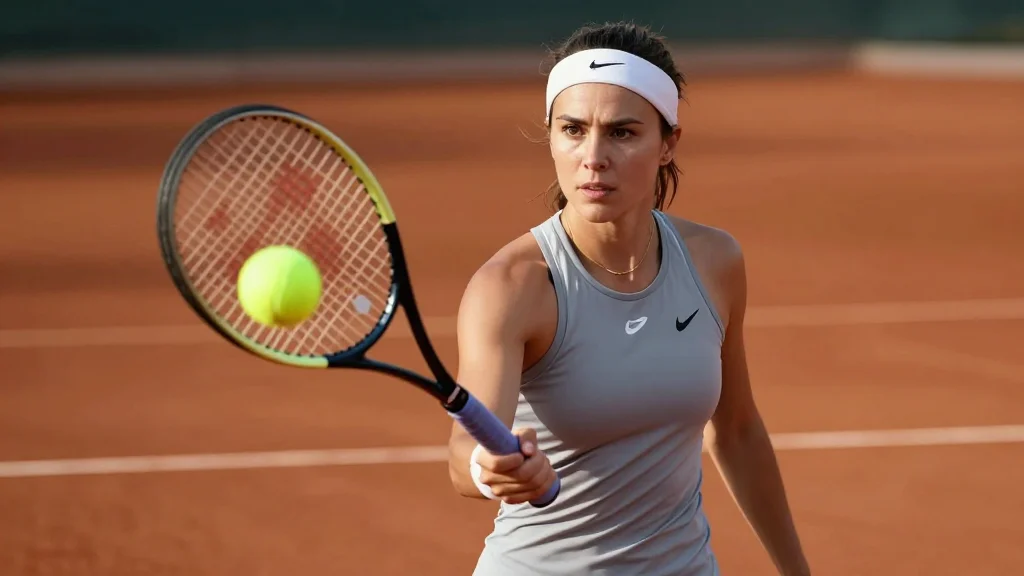
Sorana Cirstea’s Double‑Bagel at French Open Shows Power of Late‑Career Discipline

Why It Matters
Cirstea’s double‑bagel underscores that motivation is not a fleeting spark but a habit cultivated over years. In a culture that prizes rapid breakthroughs, her example validates the power of steady, disciplined work, offering a counter‑narrative to the hype around quick fixes. For the broader motivation space, her story provides concrete evidence that mental resilience and routine can produce measurable, high‑impact results, inspiring both athletes and professionals to prioritize consistency over novelty. The achievement also reframes age‑related expectations in high‑performance domains. By proving that a 36‑year‑old can dominate a Grand Slam match, Cirstea challenges age bias and encourages organizations to reconsider talent pipelines that discount seasoned contributors. The ripple effect may influence coaching philosophies, corporate training programs, and personal development frameworks that seek to harness the untapped potential of experienced individuals.
Key Takeaways
- •Sorana Cirstea, 36, won 6‑0, 6‑0 over Solana Sierra at the French Open.
- •She became the oldest player in the Open era to record a double‑bagel in a Grand Slam main draw.
- •Cirstea credited her success to unchanged discipline and professionalism.
- •Her recent semi‑final at the Italian Open included a win over world No. 1 Aryna Sabalenka.
- •The victory highlights the motivational impact of consistent, long‑term effort.
Pulse Analysis
Cirstea’s triumph arrives at a moment when the sports industry is increasingly obsessed with data‑driven performance hacks and youth‑centric marketing. Her approach—eschewing flashy new regimens in favor of a reliable, disciplined routine—offers a compelling counterpoint to the prevailing narrative. Historically, athletes who have extended their peaks, such as Tom Brady in the NFL or Roger Federer in tennis, have done so by mastering the mental components of competition, often outlasting physical advantages.
From a market perspective, Cirstea’s story could stimulate demand for coaching services that emphasize psychological resilience and habit formation over pure physical conditioning. Brands targeting the motivation segment may pivot to highlight longevity and consistency, positioning products as tools for sustained performance rather than quick gains. This shift could also influence sponsorship strategies, with advertisers seeking athletes who embody perseverance and long‑term brand alignment.
Looking forward, the key question is whether Cirstea can translate this singular performance into a deeper run at Roland Garros. A continued run would cement her as a case study in late‑career resurgence, potentially reshaping talent management philosophies across sports and business. Even if her journey ends in the next round, the narrative she has created will likely endure as a motivational touchstone for anyone confronting the perceived limits of age and experience.
Sorana Cirstea’s Double‑Bagel at French Open Shows Power of Late‑Career Discipline
Comments
Want to join the conversation?
Loading comments...