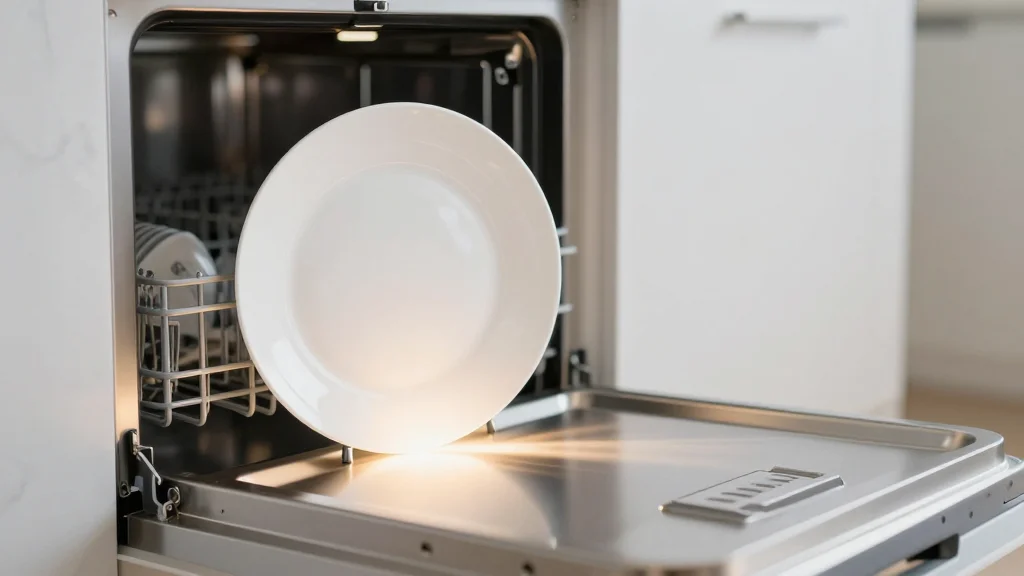
Therapist’s ‘Run the Dishwasher Twice’ Advice Goes Viral, Boosting Motivation

Why It Matters
The viral spread of a single therapist’s suggestion illustrates how simple, actionable advice can cut through the noise of complex self‑help literature and deliver measurable motivation gains. By challenging the notion that rules are immutable, the story empowers individuals to reclaim agency over everyday tasks, a cornerstone of mental‑health recovery. Moreover, the public’s enthusiastic response signals a demand for pragmatic, low‑threshold strategies that can be adopted without professional supervision, potentially reshaping how therapists frame homework assignments. If the emerging micro‑intervention model proves effective, it could shift therapeutic practice toward more experiential, habit‑focused techniques, reducing reliance on abstract cognitive restructuring. This shift may also influence digital mental‑health platforms, prompting the integration of bite‑size behavior prompts that mirror the dishwasher example, thereby scaling the impact of motivation‑building tactics.
Key Takeaways
- •Therapist’s advice to run the dishwasher twice went viral after Danielle Wunker posted it on Facebook.
- •The therapist said, “Rules do not exist,” encouraging the client to discard self‑imposed standards.
- •The client reported a cascade of renewed motivation after completing the simple task.
- •Psychological research supports the idea that motivation can follow behavior, not just precede it.
- •Mental‑health professionals are debating how to incorporate low‑stakes habit changes into therapy.
Pulse Analysis
The dishwasher anecdote taps into a broader cultural shift toward ‘micro‑wins’ as a catalyst for psychological change. Historically, motivation theory emphasized goal‑setting and cognitive reframing; however, recent behavioral research suggests that initiating a small, concrete action can generate a feedback loop of confidence and momentum. This aligns with the concept of ‘behavioral activation,’ a cornerstone of cognitive‑behavioral therapy, but the viral nature of the story demonstrates how a single, relatable example can democratize the approach.
From a market perspective, the episode offers a template for mental‑health brands seeking engagement. Platforms that surface user‑generated habit hacks can capture attention more effectively than traditional content marketing. Companies like BetterHelp and Talkspace may incorporate similar micro‑intervention prompts into their apps, leveraging the proven appeal of low‑effort, high‑impact suggestions. Moreover, the conversation around rule‑breaking underscores a consumer appetite for flexibility, suggesting that rigid program structures could be re‑engineered to allow personalized rule‑adjustments.
Looking ahead, the key question is scalability. While the dishwasher story resonated because it was personal and vivid, translating that resonance into systematic therapeutic protocols will require rigorous testing. If future studies confirm that such behavior‑first tactics reliably boost motivation across demographics, we could see a new sub‑genre of mental‑health interventions that blend habit formation science with therapeutic guidance, reshaping both clinical practice and digital health product design.
Therapist’s ‘Run the Dishwasher Twice’ Advice Goes Viral, Boosting Motivation
Comments
Want to join the conversation?
Loading comments...