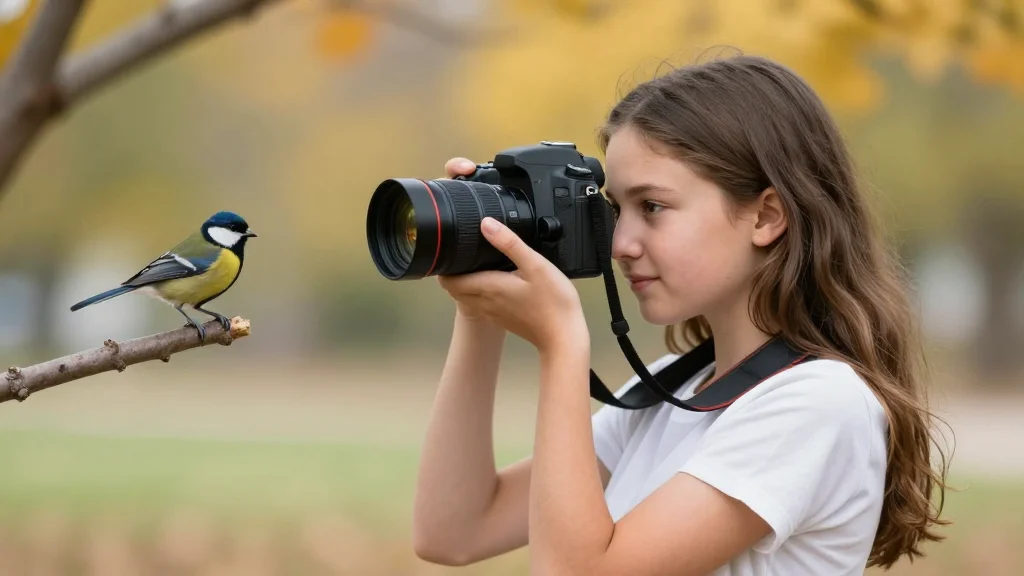
Toronto Teen Uses Bird Photography to Sharpen Focus and Combat ADHD

Why It Matters
Madison Lawrence’s use of bird photography illustrates how accessible, nature‑based hobbies can serve as effective self‑regulation tools for individuals with ADHD. By providing a concrete example of a low‑cost, community‑supported strategy, the story adds to a growing body of evidence that motivation can be cultivated through purposeful, sensory‑rich activities. For educators, clinicians, and parents, it offers a replicable model that blends physical movement, focused attention, and emotional reward, potentially reducing reliance on medication alone. The broader motivation space is increasingly attentive to habit formation that aligns personal interests with mental health outcomes. Madison’s experience demonstrates that when a hobby resonates deeply, it can become a daily ritual that reinforces concentration, reduces anxiety, and builds confidence—key components of sustained motivation. As more research validates such approaches, schools and health providers may integrate similar programs into their support services, expanding the toolkit for managing attention disorders.
Key Takeaways
- •14‑year‑old Madison Lawrence uses bird photography daily to manage severe ADHD symptoms.
- •A 600‑mm camera lens gifted at age eight sparked a disciplined hobby that improves focus.
- •Family bird walks and field guides introduced her to nature observation early on.
- •Madison’s routine exemplifies low‑cost, nature‑based interventions gaining attention from educators.
- •She plans to enter a regional youth photography contest and collaborate with conservation groups.
Pulse Analysis
Madison’s case highlights a shift from purely clinical ADHD interventions toward lifestyle‑centric motivation techniques. Historically, attention‑deficit strategies have centered on medication and behavioral therapy; however, the rise of mindfulness, outdoor activities, and creative arts reflects a broader understanding that motivation is reinforced by intrinsic interest and environmental cues. Bird photography, in particular, offers a unique blend of visual focus, patience, and reward—elements that align with the brain’s dopamine pathways, which are often dysregulated in ADHD.
From a market perspective, Madison’s story could catalyze demand for affordable photography gear, educational birdwatching programs, and community‑based nature initiatives aimed at youth mental health. Companies that produce entry‑level cameras or develop mobile apps for bird identification may see new opportunities to position their products as tools for cognitive development. Simultaneously, schools might invest in outdoor curricula that incorporate photography, leveraging the dual benefits of environmental education and attention training.
Looking forward, the scalability of Madison’s approach depends on accessibility to safe green spaces and mentorship. If municipalities prioritize park safety and provide resources such as guided birdwatching tours, more adolescents could adopt similar practices. Moreover, longitudinal studies tracking academic performance and emotional well‑being among participants would solidify the evidence base, potentially influencing policy decisions around school wellness programs. Madison’s narrative, while personal, points to a broader, actionable pathway for integrating passion‑driven habits into the fabric of ADHD management.
Toronto Teen Uses Bird Photography to Sharpen Focus and Combat ADHD
Comments
Want to join the conversation?
Loading comments...