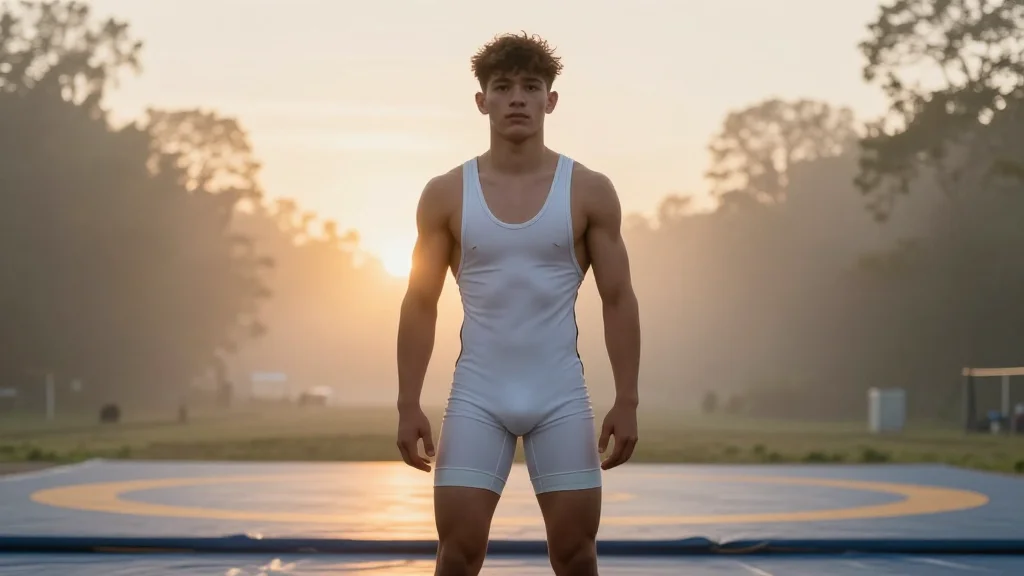
Train To Win Camps Expand Beyond Wrestling, Emphasizing Holistic Motivation

Why It Matters
The expansion of Train To Win camps signals a shift in the motivation space toward integrated development models that combine sport-specific skill with life‑skill training. By framing wrestling as a vehicle for broader personal growth, the program addresses a growing demand from parents and educators for experiences that build resilience, leadership and purpose alongside physical prowess. If successful, this approach could influence how youth programs across disciplines design curricula, potentially raising the standard for motivation‑focused education nationwide. Moreover, the camp’s emphasis on measurable habits—discipline, confidence, consistency—offers a data point for researchers studying the link between athletic training and long‑term motivational outcomes. As more programs adopt similar frameworks, the industry may see a new benchmark for evaluating the effectiveness of youth development initiatives beyond win‑loss records.
Key Takeaways
- •Train To Win camps launch early June 2026 with 5‑, 10‑ and 28‑day formats
- •Program now includes mindset, leadership and faith‑based modules
- •Head coach Jon McGovern, 2‑time NCAA champion, emphasizes holistic growth
- •Enrollment is growing rapidly since the camp’s 2021 debut
- •Camp aims to instill habits that extend beyond wrestling performance
Pulse Analysis
Train To Win’s evolution reflects a broader market pivot where motivation‑centric programs are no longer ancillary but central to the value proposition. Historically, youth sports camps focused on technical skill; the inclusion of structured mindset and leadership curricula marks a strategic response to parental concerns about screen time, mental health and transferable life skills. By anchoring these elements in a proven athletic environment, the camp leverages the credibility of elite wrestling to attract families seeking comprehensive development.
The model also aligns with emerging research that links consistent habit formation in sports to academic and career success. If the camp can produce longitudinal data showing improved school performance or community engagement, it could set a new industry standard, prompting competitors to embed similar modules. This could accelerate a wave of hybrid programs that blend physical training with soft‑skill development, reshaping funding streams, sponsorship opportunities and even college recruiting pipelines.
Looking ahead, the key challenge will be scaling the model without diluting its intensive, mentorship‑heavy format. As demand rises, maintaining low coach‑to‑athlete ratios and preserving the camp’s “Built to Last” ethos will be critical. Success will likely hinge on the ability to quantify outcomes and communicate them to stakeholders, turning anecdotal praise into measurable ROI for parents, schools and potential corporate partners.
Train To Win Camps Expand Beyond Wrestling, Emphasizing Holistic Motivation
Comments
Want to join the conversation?
Loading comments...