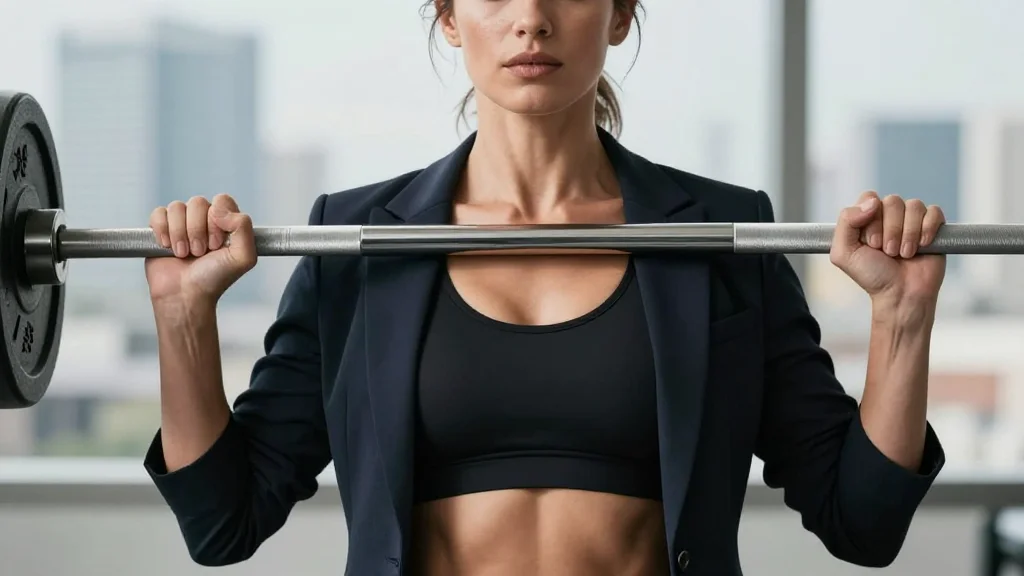
Women Executives Embrace Strength Training to Boost Workplace Resilience

Why It Matters
The rise of strength training among women executives signals a shift in how motivation is cultivated in high‑pressure environments. By linking physical resilience to mental stamina, these leaders are redefining wellness as a strategic advantage rather than a peripheral perk. This approach could reshape corporate wellness budgets, prompting firms to invest in strength‑focused facilities and coaching. If the trend spreads beyond elite circles, it may also influence broader cultural attitudes toward female body image and leadership. Emphasizing muscle over thinness challenges long‑standing stereotypes and could encourage more women to pursue roles that demand confidence and physical presence, ultimately diversifying leadership pipelines.
Key Takeaways
- •Attorney Deb Stern uses 100‑plus‑pound back squats to manage stress and improve focus at work.
- •Gold's Gym cut cardio space by 15% and added 30% more strength‑training equipment.
- •Crunch Fitness CEO Jim Rowley says "strong is the new skinny" for women in business.
- •Erin Gregory notes increased confidence among women on the weight‑room floor.
- •Analysts forecast that 50% of Fortune‑500 firms will offer strength‑training benefits by 2028.
Pulse Analysis
The convergence of physical strength and executive performance reflects a deeper evolution in motivation theory. Traditional models emphasized mental grit and time‑management; today's leaders are integrating somatic discipline, recognizing that the nervous system's response to heavy load can rewire stress pathways. This neuro‑biological angle gives weight training a legitimacy that goes beyond the "feel‑good" narrative, positioning it as a tool for cognitive resilience.
Historically, corporate wellness programs have prioritized cardio and mindfulness, often overlooking the hormonal benefits of resistance training—namely, increased testosterone and growth hormone that support confidence and assertiveness. By embracing these physiological changes, women executives are not only improving personal health but also signaling a cultural shift that values strength as a leadership attribute. Companies that adapt their wellness offerings to include structured strength programs may see lower burnout rates and higher engagement scores, creating a competitive edge in talent retention.
Looking ahead, the integration of performance data from wearables could quantify the impact of strength training on work outcomes, turning anecdotal benefits into actionable metrics. As data accumulates, we may see a new class of "strength‑based" leadership development programs that blend coaching with progressive overload principles, fundamentally redefining how motivation is cultivated in the modern workplace.
Women Executives Embrace Strength Training to Boost Workplace Resilience
Comments
Want to join the conversation?
Loading comments...