Key Takeaways
- •GQ interview offers little substantive insight.
- •Jay‑Z controls narrative, avoids tough questions.
- •Discussion skips over lawsuit details and industry controversies.
- •Billionaire rhetoric downplays broader wealth inequality debates.
- •Rap‑battle fatigue highlighted amid social‑media hype.
Summary
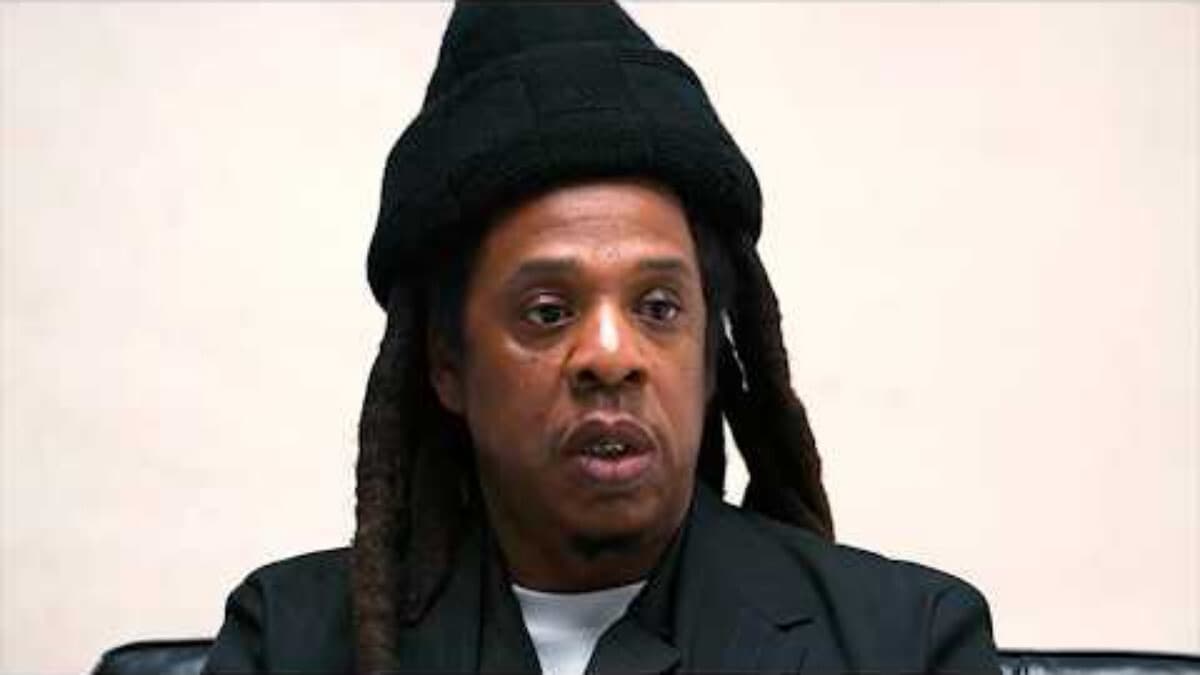
Anthony Fantano critiques Jay‑Z’s recent GQ interview as a shallow, promotional piece that avoids probing questions. He notes that the rapper steers the conversation, offering vague philosophical remarks while glossing over the recent Busby lawsuit and his billionaire status. Fantano also highlights Jay‑Z’s dismissive comments on rap‑battle culture, especially the Kendrick‑Drake feud that culminated in a Super Bowl performance. Overall, the interview is portrayed as a missed opportunity for substantive dialogue about industry power dynamics and cultural impact.
Pulse Analysis
The modern media landscape increasingly favors safe, brand‑friendly conversations with celebrities, and the Jay‑Z GQ interview exemplifies this trend. By allowing the artist to dictate the flow, outlets sacrifice depth for headline appeal, leaving audiences with polished soundbites rather than insight into the complex legal and financial challenges that shape the music business. This approach not only diminishes journalistic rigor but also reinforces a culture where powerful figures can curate their own narratives without scrutiny.
Jay‑Z’s billionaire narrative, repeated throughout the interview, reflects a broader tension between personal success stories and systemic wealth disparities. While his rise from a Brooklyn hustler to a multi‑billion‑dollar mogul is undeniably compelling, framing his wealth as a neutral milestone sidesteps critical conversations about the concentration of capital in the entertainment industry and its ripple effects on cultural production. By normalizing extreme wealth without addressing its societal implications, such rhetoric can subtly legitimize the status quo and mute calls for equitable reform.
The discussion of rap battles, particularly the lingering debate over the Kendrick‑Drake feud, highlights how social media amplifies conflict into perpetual spectacle. Jay‑Z’s criticism of the battle’s relevance points to a fatigue that many industry insiders share, yet the relentless online chatter keeps the narrative alive, influencing streaming numbers and concert bookings. As platforms continue to monetize controversy, artists and executives must navigate the fine line between authentic artistic rivalry and manufactured drama, shaping the future trajectory of hip‑hop culture.


Comments
Want to join the conversation?