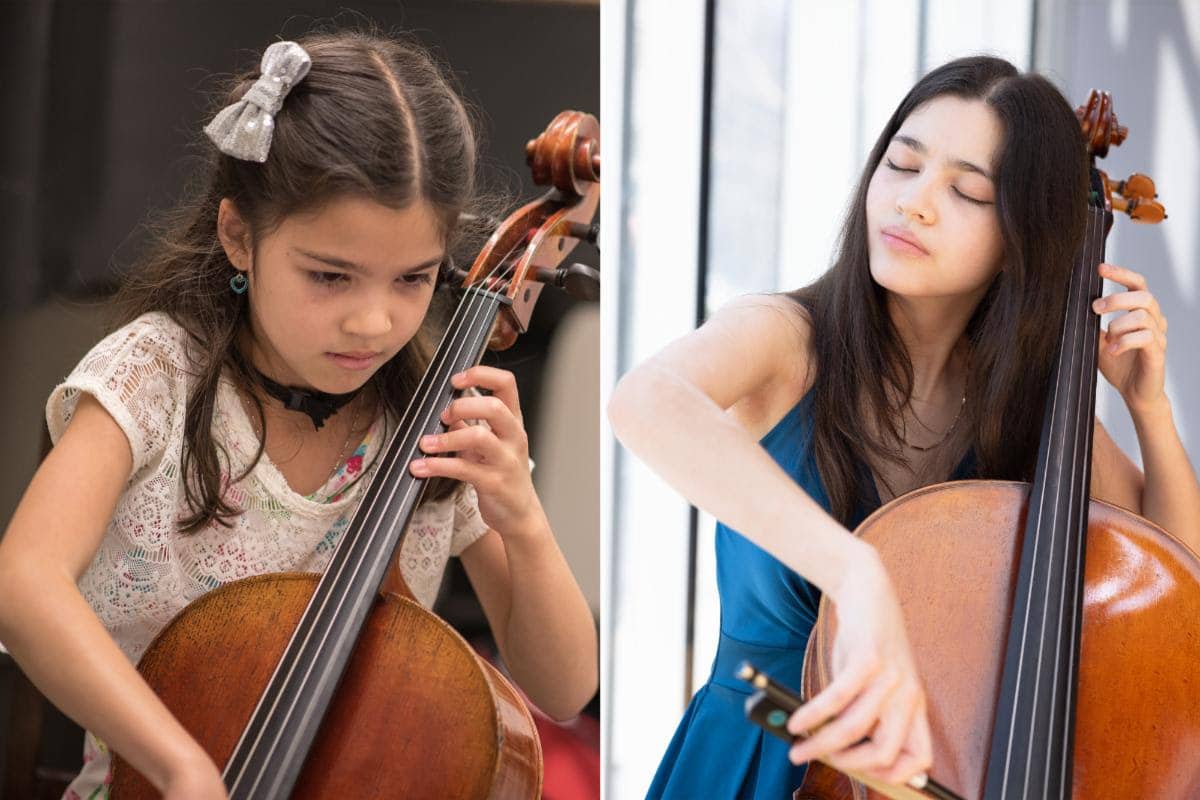
San Francisco Symphony Admits 18 Year-Old Pre-College Cellist
Key Takeaways
- •18‑year‑old Starla Breshears joins SF Symphony cello
- •Youngest musician ever in the Symphony’s history
- •SFCM pre‑college program produced professional orchestra talent
- •Appointment highlights youth pipeline to elite orchestras
- •Breshears balances high school graduation with professional debut
Summary
The San Francisco Conservatory of Music announced that 18‑year‑old cellist Starla Breshears will join the San Francisco Symphony’s cello section for the 2026‑27 season, becoming the youngest musician ever in the ensemble. Breshears entered the Conservatory’s pre‑college program in 2015, graduated in 2025, and is completing high school this year. Her appointment showcases the Conservatory’s ability to nurture talent from early training to professional orchestras. The Symphony welcomes her as a fresh, high‑caliber voice in its ranks.
Pulse Analysis
Youthful talent is reshaping the classical music landscape, and Starla Breshears’ entry into the San Francisco Symphony exemplifies this shift. While orchestras have traditionally relied on seasoned professionals, conservatories are increasingly delivering musicians who possess both technical mastery and a modern perspective. Pre‑college programs, like the one at the San Francisco Conservatory of Music, provide rigorous training, performance opportunities, and mentorship that compress years of development, allowing prodigies to transition directly into professional ranks.
The San Francisco Conservatory of Music has long positioned itself as a pipeline to the city’s cultural institutions. By nurturing students from elementary levels through high school, the Conservatory creates a seamless pathway to ensembles such as the Symphony Youth Orchestra and, now, the main orchestra itself. This continuity not only retains local talent but also reinforces the city’s artistic ecosystem, fostering collaborations between educational and professional entities. Breshears’ decade‑long journey—from her 2015 enrollment to her 2025 graduation—highlights the institution’s commitment to sustained, individualized growth.
For the Symphony, integrating an 18‑year‑old cellist offers fresh interpretive energy and a compelling narrative for audiences. Younger musicians can attract a demographic that seeks relevance and relatability in classical programming, potentially expanding ticket sales and digital engagement. Moreover, the move signals to other orchestras that investing in youth development yields tangible artistic dividends. As more ensembles embrace early‑career talent, the industry may see a gradual redefinition of orchestral composition, programming, and outreach strategies, ensuring classical music remains vibrant and forward‑looking.


Comments
Want to join the conversation?