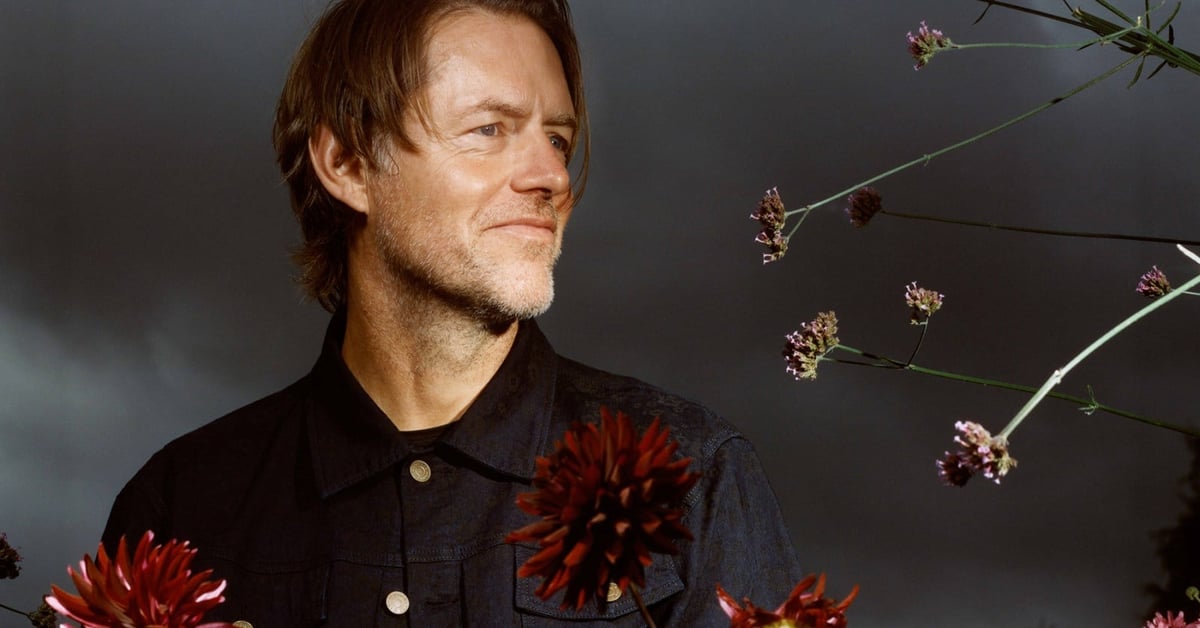
‘A Beautiful Journey’: Ed O’Brien on His Stunningly Deep Solo Album and Radiohead’s Future
Why It Matters
The album showcases how personal hardship can fuel artistic innovation, while Radiohead’s limited‑tour strategy offers a blueprint for legacy acts balancing demand with longevity.
Key Takeaways
- •Blue Morpho releases May 22 after four-year production.
- •Album blends personal therapy with Welsh nature inspirations.
- •Radiohead plans 20‑show annual tours starting 2027.
- •Collaborators include Paul Epworth, Shabaka Hutchings, Philip Selway.
- •O'Brien cites depression recovery as creative catalyst.
Pulse Analysis
Ed O'Brien’s upcoming solo effort, *Blue Morpho*, arrives at a moment when veteran artists are redefining how they connect with audiences. The album’s four‑year gestation reflects a broader industry trend: musicians leveraging extended downtime—exacerbated by the pandemic—to explore mental‑health narratives and experimental soundscapes. By weaving Welsh hill walks, psychedelic experiences, and 432 Hz tuning into his compositions, O'Brien not only differentiates his solo voice from Radiohead’s legacy but also taps into listeners’ growing appetite for authenticity and sonic depth.
The record’s roster of collaborators underscores a strategic blend of mainstream polish and avant‑garde flair. Producer Paul Epworth, known for shaping Adele’s chart‑topping ballads, brings a crisp, radio‑ready sheen, while jazz luminaries Shabaka Hutchings and Dave Okumu inject improvisational textures that broaden the album’s appeal beyond traditional rock fans. Such cross‑genre partnerships illustrate how established artists can remain relevant by embracing diverse musical ecosystems, a tactic increasingly vital in today’s streaming‑driven market where playlist placement often hinges on genre fluidity.
Beyond the solo project, O'Brien’s revelation of Radiohead’s new touring model—20 shows per year, rotating continents—signals a shift in how legacy acts manage longevity. By limiting dates, the band preserves performance quality, mitigates burnout, and creates scarcity that can boost ticket demand. This approach may inspire peers facing similar challenges of aging line‑ups and fan expectations, suggesting a sustainable path forward that balances artistic integrity with commercial viability.


Comments
Want to join the conversation?
Loading comments...