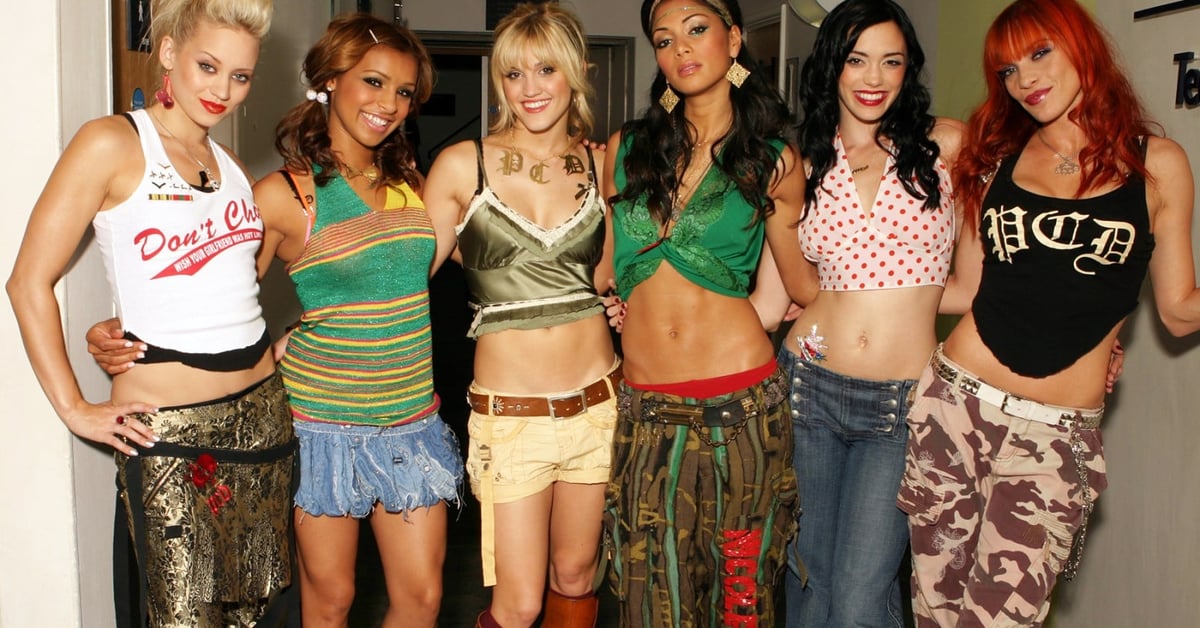
Ex-Pussycat Dolls Member Believes Her Support for RFK Jr. Cost Her a Reunion Spot: ‘I Was a Liability’
Why It Matters
The incident highlights how political affiliations can directly influence entertainment contracts, reshaping lineup decisions for high‑profile tours. It also signals a broader industry tension between brand cohesion and artists’ personal activism.
Key Takeaways
- •Sutta claims political views cost her reunion spot.
- •PCD tour proceeds as trio, 53 dates worldwide.
- •Former members Bachar also left out of reunion plans.
- •Sutta supports RFK Jr., aligns with MAHA vaccine‑injury group.
- •Group cites “ever‑changing lineup” as reason for exclusions.
Pulse Analysis
Political polarization is increasingly spilling into the music business, where an artist’s public stance can become a commercial liability. Jessica Sutta’s outspoken endorsement of Robert F. Kennedy Jr., coupled with her advocacy for the Make America Healthy Again group, placed her at odds with the Pussycat Dolls’ management. Executives often weigh fan demographics and sponsor sensitivities, and in Sutta’s case, her alignment with a controversial figure was deemed a risk to ticket sales and brand perception. This mirrors a growing pattern where entertainers must navigate personal convictions against market expectations.
The Pussycat Dolls brand has long been defined by fluid membership, from its original six‑member lineup to the 2019 reunion that omitted Melody Thornton. The latest decision to move forward as a trio reflects a strategic focus on marketable personalities and streamlined logistics for a 53‑date global tour. By concentrating on Nicole Scherzinger, Ashley Roberts and Kimberly Wyatt, the group maximizes name recognition while minimizing potential internal conflicts. Such lineup pruning is a common tactic in legacy acts seeking to revitalize revenue streams without overextending production costs.
For fans, the exclusion of Sutta and Bachar may feel like a loss of authenticity, yet the commercial calculus often outweighs nostalgic considerations. The episode underscores a broader industry dilemma: balancing genuine artistic expression with the need to protect a brand’s commercial viability. As more artists engage in political activism, managers will likely develop clearer guidelines to mitigate fallout, while audiences may increasingly demand transparency about the values driving their favorite acts.


Comments
Want to join the conversation?
Loading comments...