Justin Bieber’s Low-Key Coachella Performance Fuels Sexism Debate
Why It Matters
The episode reveals how gender bias shapes audience perception and media narratives, influencing artists’ reputations and festival brand equity. It pressures organizers to address double standards and ensure equitable treatment of male and female headliners.
Key Takeaways
- •Bieber's minimalist set ignited a sexism debate
- •Fans lauded intimacy; critics demanded spectacle
- •Female headliners face harsher scrutiny for low energy
- •Debate exposes double standards in festival expectations
- •Coachella must address gender equity to protect brand
Pulse Analysis
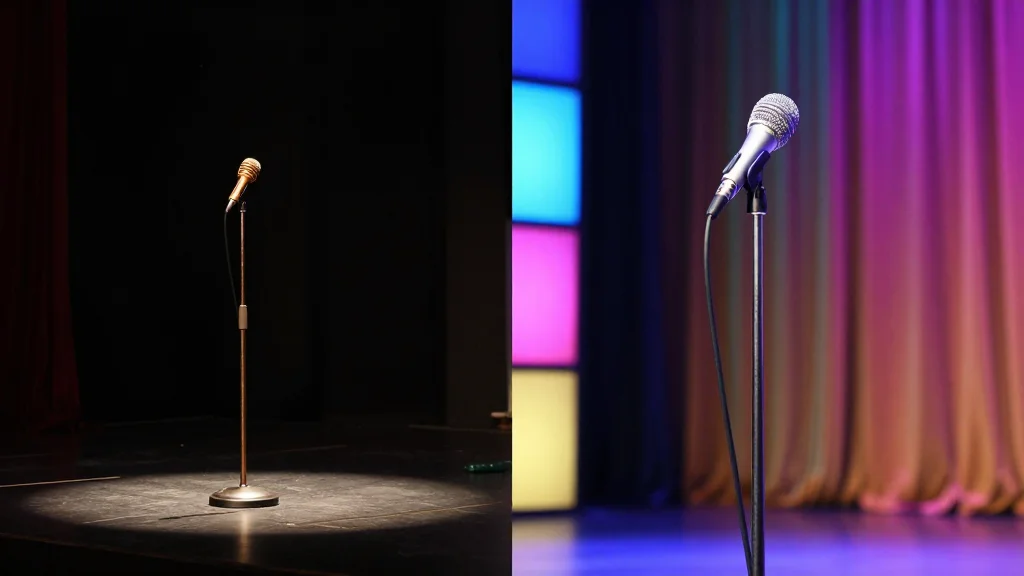
Coachella’s 2026 lineup placed pop star Justin Bieber on the main stage, but his decision to forgo elaborate production in favor of a quiet, YouTube‑styled set drew immediate attention. While his 30‑minute segment featured simple staging, acoustic renditions of early hits, and a seated pause, it stood in stark contrast to Sabrina Carpenter’s previous night, which boasted multiple costume changes, celebrity cameos, and a water‑fountain finale. The juxtaposition amplified expectations that headliners deliver high‑budget spectacles, a norm that has become part of the festival’s cultural cachet.
Social media amplified the performance’s reception, with many users accusing Bieber of laziness, yet a sizable contingent praised the authenticity and healing narrative of his nostalgic set. Crucially, the conversation quickly turned gendered: commenters argued that a comparable low‑key show by a female artist would attract far harsher criticism. References to Lady Gaga’s high‑energy 2025 Coachella appearance reinforced the perception that women must consistently out‑perform to avoid backlash. This pattern mirrors broader industry trends where female performers are scrutinized for visual spectacle, vocal prowess, and stagecraft, while male artists often receive leniency for subdued shows.
For festival organizers, the debate signals a branding challenge. Coachella must balance artistic freedom with audience expectations, ensuring that gender bias does not tarnish its reputation for inclusivity. Transparent communication about headliner choices, equitable production support, and proactive dialogue with artists can mitigate accusations of double standards. As festivals increasingly serve as cultural barometers, addressing these biases will be essential for maintaining relevance and fostering a fair platform for all performers, regardless of gender.
Justin Bieber’s Low-Key Coachella Performance Fuels Sexism Debate
Comments
Want to join the conversation?
Loading comments...