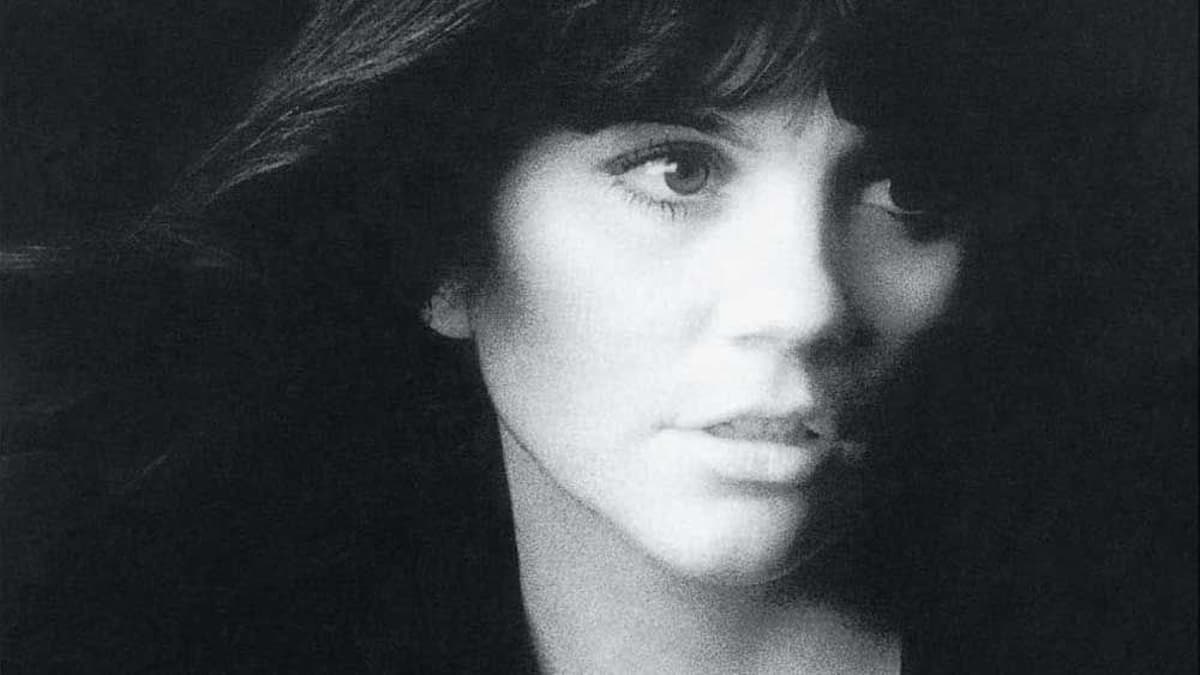
"On Paper, It's Hard to Imagine Ronstadt as a Road-Weary Trucker, but She Completely Owns Lowell George's Willin'." Linda Ronstadt Gently Explores an Eclectic Selection of Songs on Heart Like A Wheel
Companies Mentioned
Why It Matters
The album cemented Ronstadt as a cross‑genre star, influencing how record labels marketed female singers and expanding the commercial viability of genre‑blending albums.
Key Takeaways
- •Album propelled Ronstadt to mainstream rock‑country stardom
- •"You're No Good" became her first top‑10 hit
- •Peter Asher’s minimalist production highlighted her vocal power
- •Eclectic genre blend secured airplay on pop, country, rock stations
- •Set template for female artists covering male‑written songs
Pulse Analysis
In the early 1970s, Los Angeles was a crucible for genre‑defying music, and Linda Ronstadt arrived with a reputation built on live performance rather than chart dominance. *Heart Like a Wheel* arrived at a moment when listeners were hungry for authenticity, and Ronstadt’s willingness to traverse country ballads, folk narratives, and rock anthems resonated with a broad audience. By selecting songs from diverse songwriters—Everly Brothers, J.D. Souther, Lowell George—she positioned herself as an interpreter who could bridge the gap between traditional country fans and emerging rock listeners.
Peter Asher’s production philosophy emphasized restraint, allowing Ronstadt’s voice to occupy the sonic foreground. The stripped‑down arrangements relied on seasoned Los Angeles session musicians, creating a warm, organic backdrop that highlighted vocal nuance without overwhelming it. This approach not only produced timeless tracks like “You’re No Good” but also demonstrated how minimalist production could yield commercial success, influencing subsequent producers who sought to balance polish with raw emotional delivery. The album’s strategic song curation proved that a well‑chosen cover could become a career‑defining hit, a lesson later echoed by artists such as Sheryl Crow and the Dixie Chicks.
Decades later, *Heart Like a Wheel* enjoys renewed relevance through streaming platforms, where its genre‑fluid catalog attracts both classic‑rock purists and modern country enthusiasts. The album’s legacy is evident in today’s crossover successes, from Taylor Swift’s pop‑country blend to Kacey Musgraves’ folk‑infused productions. Ronstadt’s model of interpreting diverse material while maintaining a distinct vocal identity continues to inform how female artists navigate the industry’s often rigid genre boundaries, reinforcing the album’s status as a blueprint for sustainable, cross‑market appeal.


Comments
Want to join the conversation?
Loading comments...