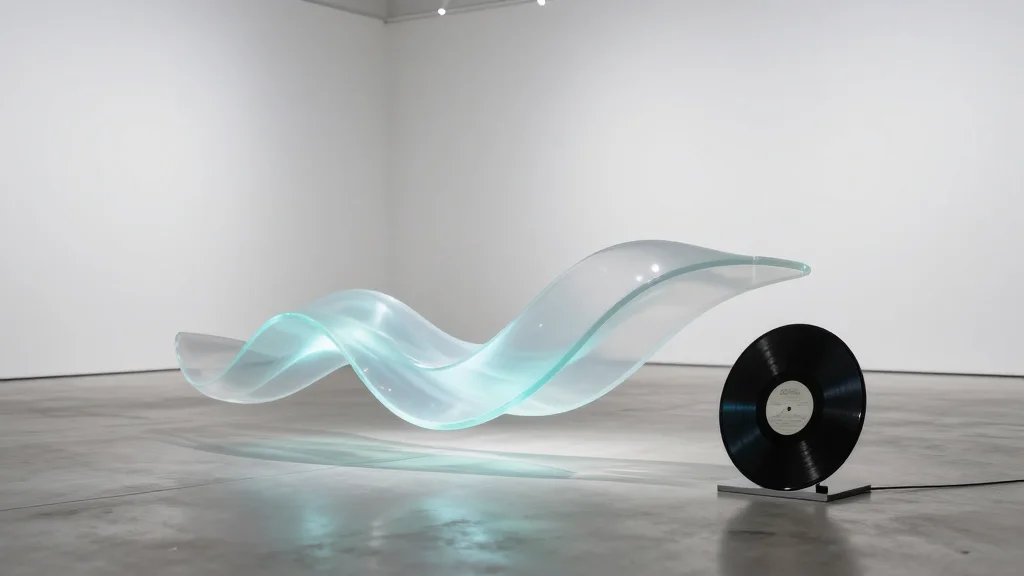
Radiohead Launches Immersive "Kid A Mnesia" Installation Tour After Coachella Debut

Why It Matters
The Kid A Mnesia installation signals a turning point for how legacy musicians monetize their back catalogues. By turning album-era artwork and multitracks into a ticketed, physical experience, Radiohead demonstrates a viable path for artists to generate revenue outside the traditional concert circuit. This could inspire a wave of immersive installations, prompting venues to adapt spaces for hybrid audio‑visual events and encouraging record labels to invest in archival content repurposing. Moreover, the project blurs the line between concert, museum exhibit and interactive art installation, expanding the definition of a live music event. As fans increasingly seek experiential value, the success of Radiohead’s tour may accelerate partnerships between musicians, visual artists, and technology firms, reshaping touring economics and audience expectations for years to come.
Key Takeaways
- •Radiohead’s Kid A Mnesia installation debuts at Coachella on April 10 in a 17,000‑sq‑ft underground bunker.
- •The experience will travel to Brooklyn, Chicago, Mexico City and San Francisco for limited runs.
- •All Coachella ticket‑holders can access the installation; other cities require two‑hour time‑slot tickets.
- •Thom Yorke describes the installation’s story as “a Monster trapped in a derelict museum of the lost and forgotten.”
- •The project illustrates a new, premium‑price revenue model for legacy acts beyond traditional tours.
Pulse Analysis
Radiohead’s Kid A Mnesia tour is more than a nostalgic cash‑in; it’s a strategic re‑imagining of how legacy content can be monetized in an era where live‑music revenue has been fragmented by streaming and pandemic‑induced disruptions. By converting a digital‑only experience into a physical, ticketed installation, the band captures high‑margin ticket sales while offering fans a unique, immersive narrative that cannot be replicated online. This approach leverages the band’s strong visual identity—Stanley Donwood’s artwork has long been a hallmark of Radiohead’s brand—to create a multi‑sensory product that commands premium pricing.
The rollout also tests market appetite for location‑specific, time‑limited events. If demand holds across the four cities, it could validate a model where artists rotate immersive installations much like pop‑up museums, reducing the logistical overhead of full‑scale tours while still delivering high‑impact fan experiences. Competing acts may follow suit, prompting venues to invest in adaptable infrastructure—high‑ceiling spaces, custom sound systems, and modular exhibition design—to accommodate such events.
Finally, the initiative dovetails with broader industry trends toward experiential consumption. As younger audiences prioritize experiences over material goods, music acts that can blend sound, sight, and story into a cohesive, ticketed event stand to capture a larger share of discretionary spending. Radiohead’s move may therefore act as a catalyst, encouraging both legacy and emerging artists to explore immersive installations as a core component of their touring strategies, reshaping the economics of live music for the next decade.
Radiohead Launches Immersive "Kid A Mnesia" Installation Tour After Coachella Debut
Comments
Want to join the conversation?
Loading comments...