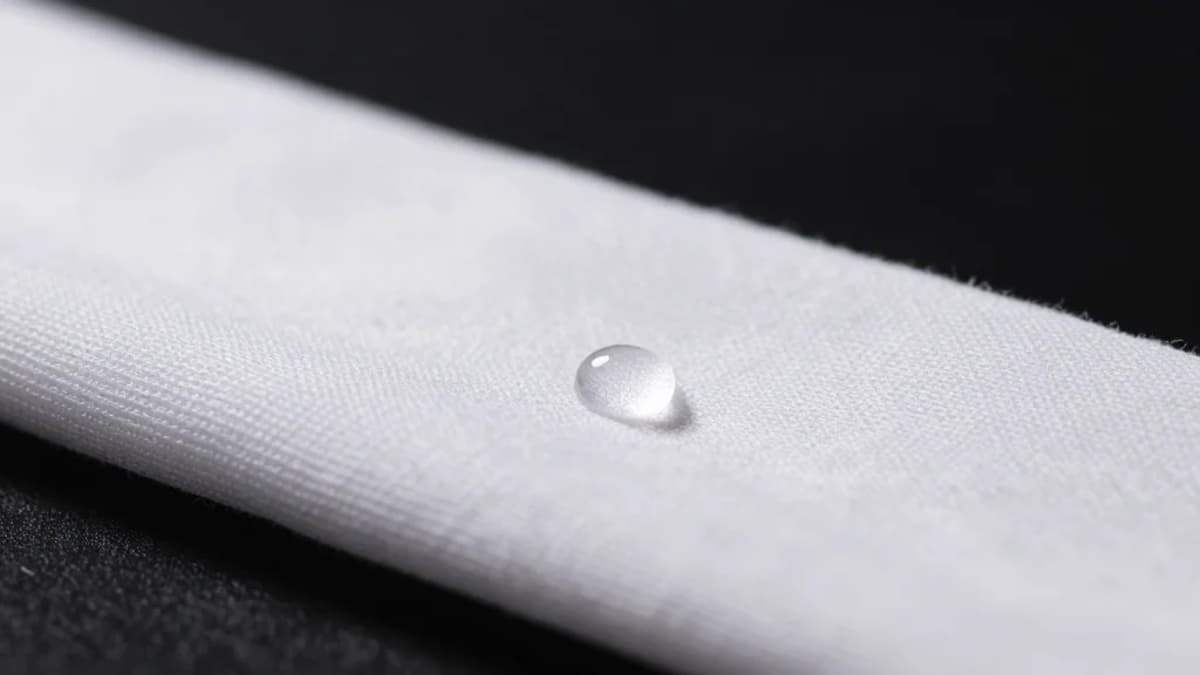
Eco-Friendly Cotton that Repels Water and Separates Oil
•March 6, 2026
0
Key Takeaways
- •Fluorine-free method uses hydrophobic nanoparticles and HDMTS.
- •Creates water‑repellent, breathable cotton with micro/nano textures.
- •Enables oil‑water separation while repelling stains.
- •Maintains performance under harsh mechanical and chemical stress.
- •Scalable process suitable for large‑scale sustainable textile production.
Summary
Researchers at INL have introduced a fluorine‑free technique that coats cotton with hydrophobic nanoparticles and hexadecyltrimethoxysilane, creating a water‑repellent, stain‑resistant fabric. The treatment forms micro‑ and nanoscale textures that preserve breathability while allowing oil to pass, enabling efficient oil‑water separation. Laboratory tests show the modified cotton withstands harsh mechanical and chemical conditions without losing performance. The process is simple, scalable, and positioned for large‑scale sustainable textile manufacturing.
Pulse Analysis
The textile industry has long grappled with the trade‑off between comfort and durability. Cotton’s natural breathability makes it a staple, yet its hydrophilic nature limits use in environments where moisture resistance is critical. Traditional superhydrophobic treatments rely on fluorinated compounds, which persist in ecosystems and raise regulatory concerns. As sustainability mandates tighten, manufacturers are seeking alternatives that deliver performance without compromising environmental standards.
INL’s breakthrough leverages hydrophobic silica‑based nanoparticles combined with hexadecyltrimethoxysilane (HDMTS) to engineer a dual‑scale surface architecture. The nanoparticles create nanoscale roughness, while HDMTS lowers surface energy, resulting in a fabric that sheds water and common stains yet remains permeable to oil. Crucially, the coating does not clog cotton’s pores, preserving airflow and tactile softness. Rigorous testing under abrasive washing cycles and exposure to acidic and alkaline solutions confirms the durability of the water‑repellent effect, positioning the material for demanding sectors such as outdoor apparel, medical linens, and industrial filters.
Beyond consumer goods, the oil‑selective permeability offers a low‑cost solution for oil‑water separation in spill response and wastewater treatment. Because the process avoids fluorine chemistry and uses readily available reagents, it aligns with circular‑economy principles and can be integrated into existing textile finishing lines. Anticipated adoption could drive a shift toward greener supply chains, reduce reliance on hazardous chemicals, and open new revenue streams for manufacturers targeting eco‑conscious markets.
Comments
Want to join the conversation?