Local Disorder Impacts a Quantum Material's Electronic States
•February 25, 2026
0
Why It Matters
Linking surface disorder to electronic behavior enables precise engineering of topological materials for next‑generation spintronic and catalytic applications, accelerating their commercial viability.
Key Takeaways
- •ARPES/XPS mapping reveals three surface termination types
- •AI uncovers intermediate disorder regions altering Fermi arcs
- •Surface disorder directly tunes magnetic and electronic behavior
- •Technique links nanoscale defects to mesoscale spectroscopic signatures
- •ALS‑U upgrade will enable finer spatial resolution
Pulse Analysis
Weyl semimetals such as Co₃Sn₂S₂ host exotic surface states known as Fermi arcs, which can deliver ultra‑fast charge transport and unconventional spin textures. The exact shape and connectivity of these arcs depend sensitively on which atomic layer terminates the crystal—typically sulfur or tin. Because the surface chemistry can be altered by defects, strain, or alloying, researchers have sought a quantitative link between termination chemistry and electronic band structure. Achieving that link is critical for translating topological physics into practical spintronic or catalytic devices.
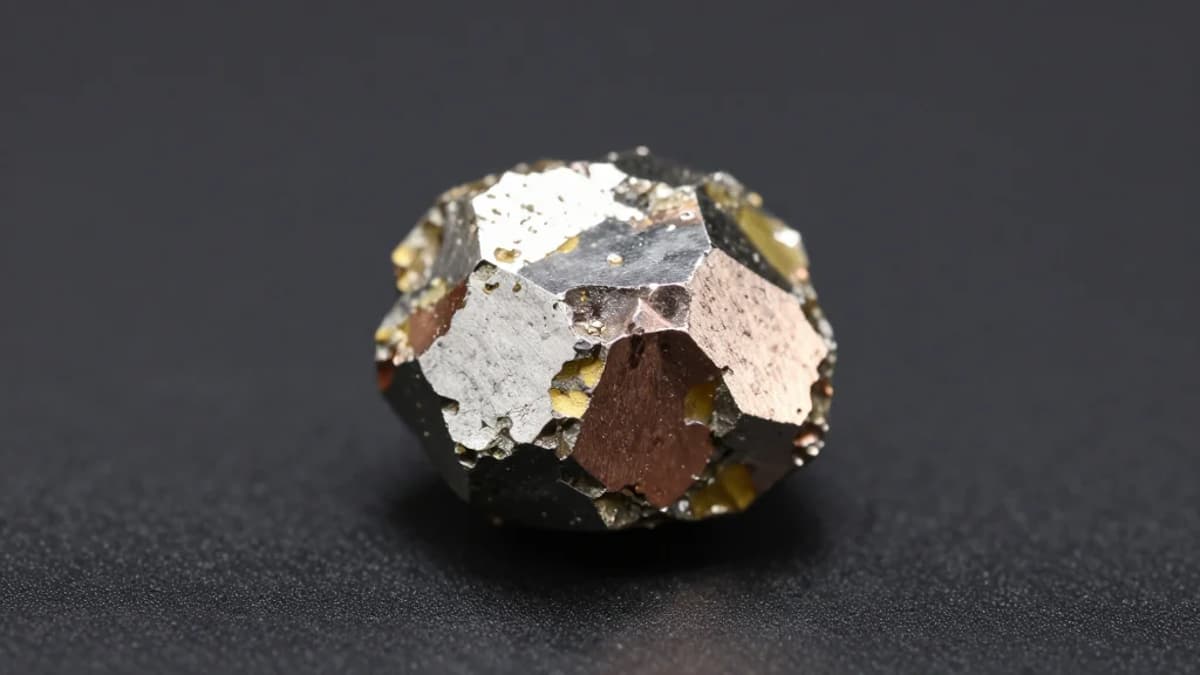
In a recent UC Davis–ALS collaboration, spatially resolved ARPES and XPS were recorded on the same 3.5 × 7.1 mm Co₃Sn₂S₂ crystal without moving the sample. Machine‑learning clustering of the combined spectra automatically distinguished the known sulfur‑ and tin‑terminated regions and revealed a third, intermediate chemistry that had previously escaped detection. These intermediate zones exhibit distinct electronic dispersions, confirming that local disorder can reshape Fermi‑arc connectivity and modify the material’s magnetic response. The study demonstrates that AI‑enhanced spectroscopy can map nanoscale defects onto mesoscale electronic landscapes, providing a powerful design tool for topological materials.
Looking ahead, the ALS‑U upgrade will shrink the ARPES spot size to sub‑micron dimensions, enabling even finer mapping of disorder‑driven electronic variations. Such resolution will allow researchers to engineer surface terminations atom by atom, tailoring Fermi‑arc pathways for low‑loss spin currents or catalytic active sites. More broadly, the integration of high‑throughput spectroscopy with AI analytics promises accelerated discovery across quantum materials, reducing the trial‑and‑error cycle that has slowed commercial adoption. Industries ranging from data storage to renewable energy stand to benefit from reliably tunable topological surfaces.
Local disorder impacts a quantum material's electronic states
0
Comments
Want to join the conversation?
Loading comments...