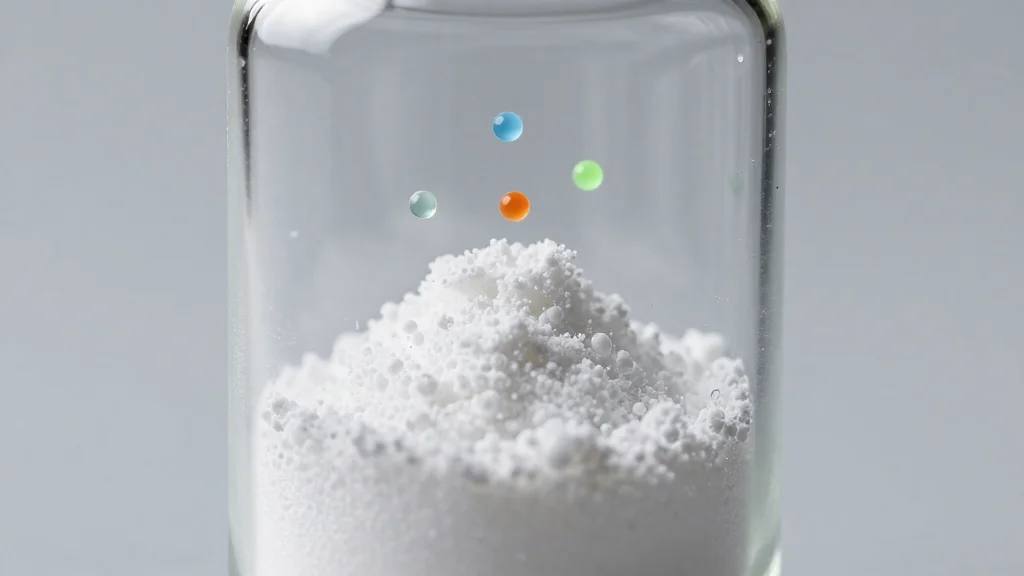
MOFs Advance Cleaner Carbon Capture, Methane Storage and Hydrogen Use
Key Takeaways
- •MOFs deliver >3 mmol g⁻¹ CO₂ uptake and >70 kg m⁻³ H₂ density.
- •Production costs remain higher than traditional adsorbents, hindering scale‑up.
- •Aqueous and mechanochemical synthesis routes aim to cut MOF carbon footprint.
- •Integrated design can combine adsorption with catalysis for CO₂ conversion.
- •Robust shaped MOF composites improve durability in moist gas streams.
Pulse Analysis
The global push toward carbon neutrality has placed carbon dioxide, methane, and hydrogen at the forefront of energy policy. Managing these gases efficiently requires materials that can capture, store, and even transform them. Metal‑organic frameworks—celebrated by the 2025 Nobel Prize in Chemistry—offer a uniquely tunable porous architecture, making them prime candidates for a unified gas‑management strategy. The new review in *Carbon Research* consolidates recent advances, positioning MOFs as a potential linchpin in the clean‑energy transition.
At the laboratory level, MOFs demonstrate performance metrics that rival or surpass conventional adsorbents. Surface areas exceeding 6,000 m² g⁻¹ enable CO₂ uptakes above 3 mmol g⁻¹, while pore chemistry can be engineered for methane storage capacities that approach liquid‑natural‑gas densities. Hydrogen adsorption benefits from volumetric densities over 70 kg m⁻³, a figure competitive with high‑pressure tanks. Crucially, the review identifies common design principles—such as optimal pore size distribution and functional group placement—that can be leveraged across all three gases, unlocking synergistic process designs and reducing material development cycles.
Despite these advantages, scaling MOFs from bench to plant remains fraught with challenges. Moisture sensitivity, mechanical fragility, and synthesis costs outpace those of traditional zeolites and activated carbons. The authors advocate for greener production routes, including aqueous and mechanochemical methods, to lower the carbon footprint and expense of MOF manufacturing. Additionally, shaping MOFs into robust composites and integrating them with catalytic functions could bridge the gap between high adsorption capacity and real‑world durability. If industry and policymakers align around these innovations, MOFs may evolve from academic curiosities into cornerstone components of a circular, low‑carbon energy economy.
MOFs advance cleaner carbon capture, methane storage and hydrogen use
Comments
Want to join the conversation?