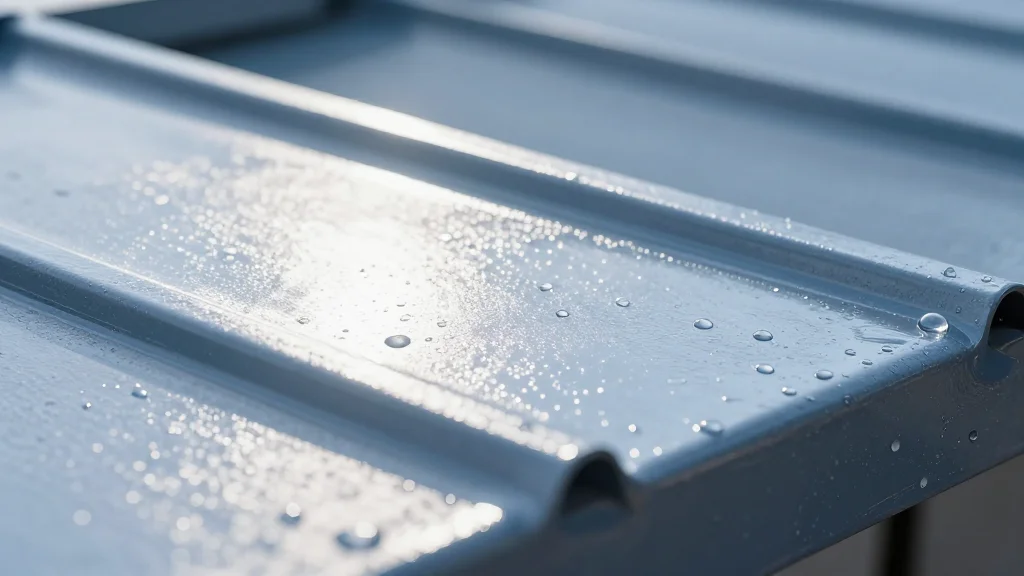
Nanoengineered, Paint-Like Coating Passively Cools Buildings and Captures Water Directly From the Air
Key Takeaways
- •Paint reflects 97% of sunlight, keeping surfaces up to 6 °C cooler
- •Coating harvests up to 390 mL water per m² daily under optimal conditions
- •No external energy needed; cooling and water capture are fully passive
- •Durable PVDF‑HFP polymer avoids UV pigments, reducing environmental impact
- •Scalable water‑based paint can be applied with rollers or sprayers
Pulse Analysis
Water scarcity and rising urban temperatures are converging challenges for cities worldwide. The new nanoengineered coating from the University of Sydney offers a two‑in‑one solution: by reflecting the majority of solar radiation, it reduces roof temperatures by up to six degrees Celsius, directly lowering the load on air‑conditioning systems. Simultaneously, the coating’s porous structure creates a temperature gradient that condenses ambient humidity, delivering up to 390 mL of potable water per square metre each day—enough for a single person’s daily drinking needs on a modest 12‑m² roof area.
Unlike conventional white paints that rely on titanium‑dioxide pigments for reflectivity, this formulation uses a PVDF‑HFP polymer matrix with an internal porous architecture. The design eliminates UV‑absorbing additives, avoiding glare and the environmental concerns tied to pigment production, while maintaining durability under intense Australian sunlight. Field data collected minute‑by‑minute over a six‑month outdoor trial showed no performance degradation, a notable advantage over earlier passive cooling materials that often deteriorate quickly. The coating’s ability to function in semi‑arid climates expands its applicability beyond traditionally humid regions, challenging the assumption that dew collection is climate‑limited.
Commercially, Dewpoint Innovations is preparing a water‑based paint that can be rolled or sprayed onto existing rooftops, making retrofits straightforward for homeowners, farms, and remote facilities. By turning roofs into passive cooling panels and decentralized water generators, the technology promises to cut electricity bills, mitigate urban heat‑island effects, and provide a reliable water source for irrigation, livestock, or even hydrogen production (nine litres of water per kilogram of hydrogen). As climate resilience becomes a priority for investors and policymakers, scalable, energy‑free solutions like this coating are poised to attract significant market interest and funding.
Nanoengineered, paint-like coating passively cools buildings and captures water directly from the air
Comments
Want to join the conversation?