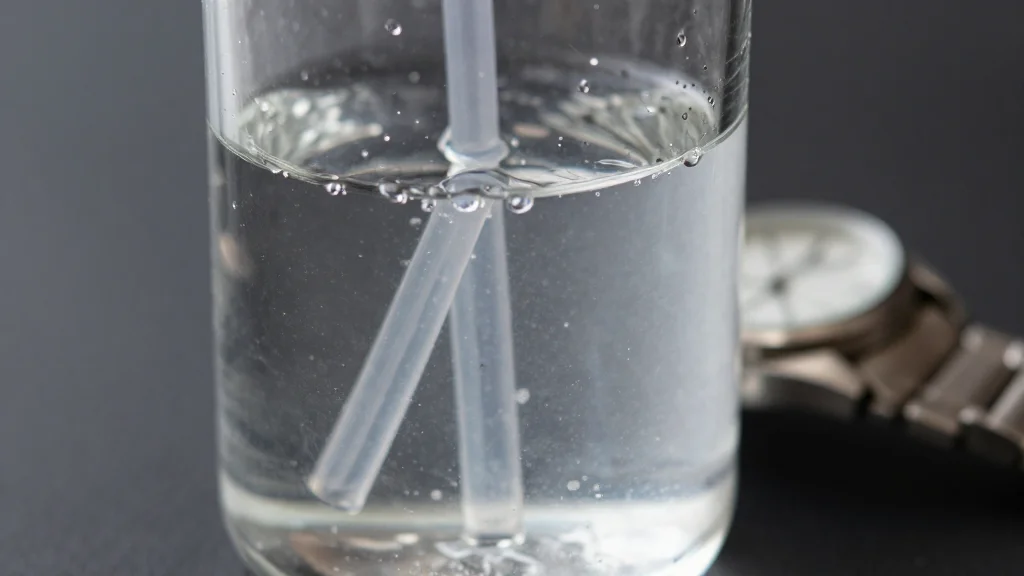
New Nanotube Membranes Reveal Unusually Fast Lithium-Ion Transport
Key Takeaways
- •Boron nitride nanotube membranes move lithium ions 31× faster than predicted
- •Membranes selectively transport lithium over other common ions
- •Prototype powered a watch and calculator using only salt solutions
- •Fast, selective transport could boost lithium extraction from spent batteries
- •Technology may enable scalable “blue energy” from river‑sea water mixing
Pulse Analysis
Ion transport lies at the heart of many industrial processes, from battery operation to water desalination. Conventional membranes often force a trade‑off between speed and selectivity, limiting their efficiency and scalability. Researchers have long sought materials that can break this bottleneck, especially for lithium—a metal critical to electric‑vehicle batteries and increasingly scarce in the supply chain. The emergence of nanostructured channels that can accelerate specific ions without sacrificing discrimination promises to rewrite the rules of membrane design.
In the new study, a team led by Sangil Kim fabricated membranes packed with millions of boron nitride nanotubes, each a few nanometers wide. These BNNTs carry surface charges that create an electrostatic environment favoring lithium ions, allowing them to zip through the channels 31 times faster than models anticipated. The researchers demonstrated the concept by connecting two salt reservoirs across the membrane; the resulting ionic current was sufficient to light a digital watch and run a basic calculator, all without external power. This proof‑of‑concept underscores both the extraordinary conductivity of the nanotubes and their ability to filter out competing ions such as sodium or potassium.
The commercial implications are substantial. Faster, lithium‑specific transport could streamline the extraction of lithium from spent batteries and brine deposits, reducing processing costs and environmental impact. Simultaneously, the same membranes could harvest “blue energy” by exploiting the natural salinity gradient where rivers meet the sea, offering a renewable electricity source with minimal infrastructure. As the technology matures, it may also enhance high‑performance desalination plants and enable new chemical‑separation processes. Continued research into the underlying anomalous transport mechanism will be crucial for scaling the membranes and integrating them into existing energy and resource‑recovery systems.
New nanotube membranes reveal unusually fast lithium-ion transport
Comments
Want to join the conversation?