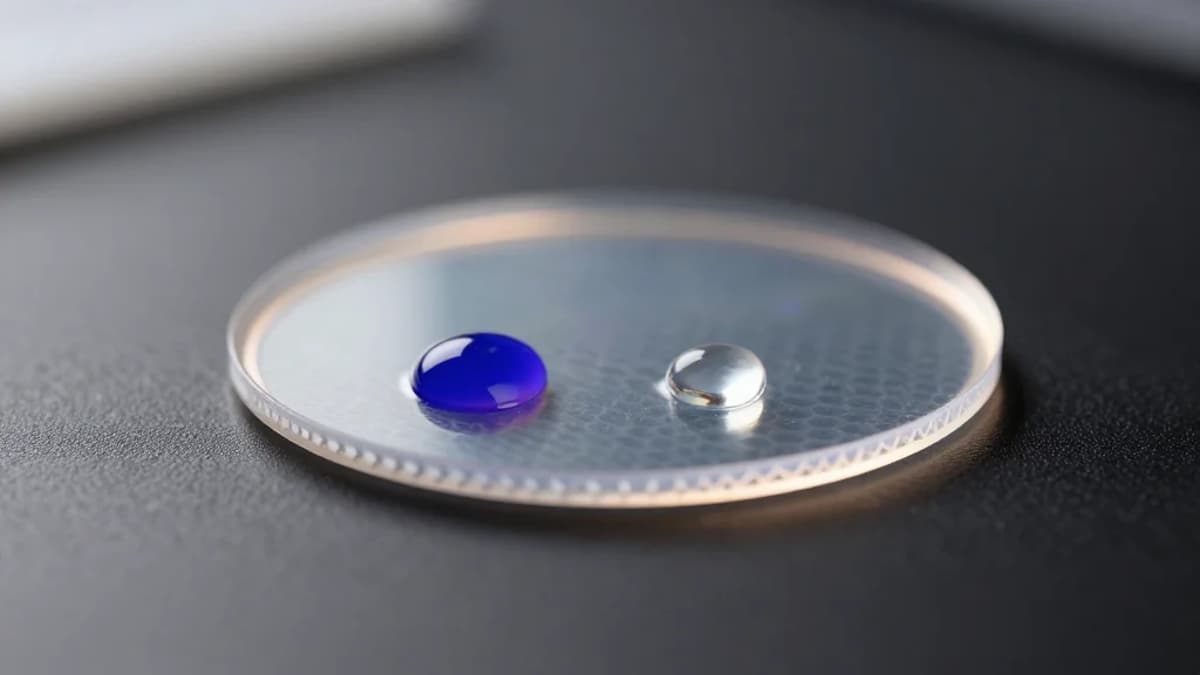
When Scientists Build Nanoscale Architecture to Solve Textile and Pharmaceutical Industry Challenges
•January 21, 2026
0
Why It Matters
By cutting energy‑intensive separation steps, POMbranes can lower operating costs and carbon footprints, accelerating sustainable growth in two of India’s biggest industrial pillars.
Key Takeaways
- •1 nm pores enable molecular separation at Dalton scale
- •Membranes outperform polymer filters tenfold in selectivity
- •Scalable thin films remain stable across wide pH range
- •Potential to cut textile wastewater energy use dramatically
- •Pharma purification could become cheaper and greener
Pulse Analysis
Industrial separations—distillation, evaporation, and conventional membrane filtration—account for up to half of global manufacturing energy use. As sustainability mandates tighten, firms are hunting technologies that can slash power demand without sacrificing product quality. The newly reported POMbranes draw inspiration from biological aquaporins, delivering atomically precise channels that act as molecular sieves. Unlike polymer membranes whose pores swell or clog over time, these crystalline films retain a fixed 1 nm aperture, enabling consistent performance even under harsh chemical conditions.
The core of the breakthrough lies in polyoxometalate (POM) clusters, crown‑shaped metal‑oxygen assemblies that naturally possess a permanent nanohole. Researchers tethered flexible linker chains to the clusters, allowing them to spread on water and self‑assemble into defect‑free sheets. Molecular dynamics simulations confirmed that only molecules small enough to fit the 1 nm gateway can traverse, delivering selectivity differences of 100–200 Daltons—far beyond the reach of existing polymer membranes. Laboratory trials reported up to ten times higher separation efficiency, while the films remained robust across a broad pH spectrum, a critical attribute for industrial streams.
For India’s textile sector, which generates massive dye‑laden effluents, the membranes could enable near‑complete water reclamation, reducing freshwater draw and chemical discharge. In pharmaceuticals, the same precision translates to lower solvent usage and energy‑intensive purification steps, driving down drug production costs and carbon emissions. Because the films can be cast in large, flexible sheets, retrofitting existing plants is feasible, accelerating adoption. As global manufacturers prioritize circular economies, POMbranes position themselves as a versatile platform that bridges high performance with scalability, potentially reshaping separation technology across multiple high‑value industries.
When scientists build nanoscale architecture to solve textile and pharmaceutical industry challenges
0
Comments
Want to join the conversation?
Loading comments...