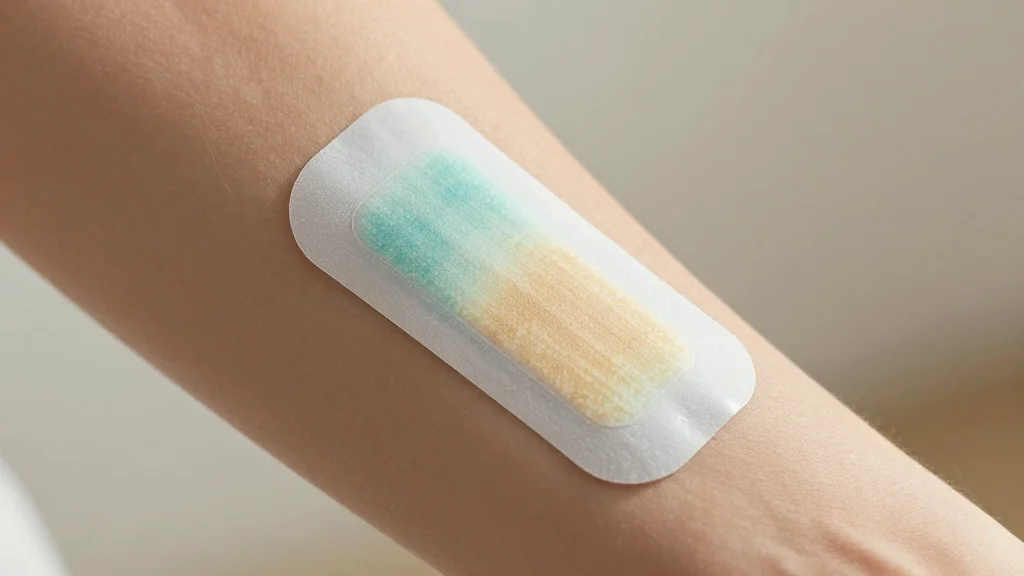
A Nanomaterial Flex—MXene Electrodes Help OLED Display Technology Shine, While Bending and Stretching
Companies Mentioned
Why It Matters
The advance overcomes the long‑standing durability limits of flexible OLEDs, unlocking commercial wearable and on‑skin display markets. It demonstrates a scalable path to high‑efficiency, stretchable optoelectronics.
Key Takeaways
- •MXene electrodes enable 1.6× stretchability with minimal luminescence loss
- •ExciPh layer boosts exciton conversion to 57%, surpassing 12‑22%
- •OLED retains 83% efficiency after 100 stretch cycles
- •Transparent MXene‑silver nanowire network improves charge injection
- •Potential for wearable health monitors and deformable displays
Pulse Analysis
The integration of MXene nanomaterials into OLED electrodes marks a pivotal shift in flexible display engineering. MXenes offer a unique combination of metallic conductivity and two‑dimensional flexibility, allowing a percolating network that sustains charge flow even under substantial strain. By pairing these electrodes with a stretchable thermoplastic polyurethane matrix, the researchers eliminated the brittleness that has plagued conventional indium‑tin‑oxide layers, delivering a device that can be stretched to 160% of its original dimensions without catastrophic performance loss.
Beyond the mechanical gains, the exciplex‑assisted phosphorescent (ExciPh) polymer layer dramatically improves the photophysical efficiency of the OLED. Traditional emissive layers convert only a fraction of generated excitons into photons, typically 12‑22%. The ExciPh formulation raises this figure to over 57%, meaning more of the electrical energy is turned into visible light. This boost not only enhances brightness but also reduces power consumption, a critical factor for battery‑operated wearables and portable electronics.
The commercial implications are significant. With durability demonstrated over 100 stretch cycles and only a 10.6% drop in output at 60% strain, manufacturers can envision roll‑to‑fit screens, conformal health‑monitoring patches, and curved automotive displays that retain visual fidelity. Moreover, the transparent MXene‑silver nanowire electrodes are compatible with existing roll‑to‑roll processing, suggesting a feasible transition from lab to mass production. As the wearable market expands, this technology positions itself as a cornerstone for next‑generation, real‑time health diagnostics and immersive user interfaces.
A nanomaterial flex—MXene electrodes help OLED display technology shine, while bending and stretching
Comments
Want to join the conversation?
Loading comments...