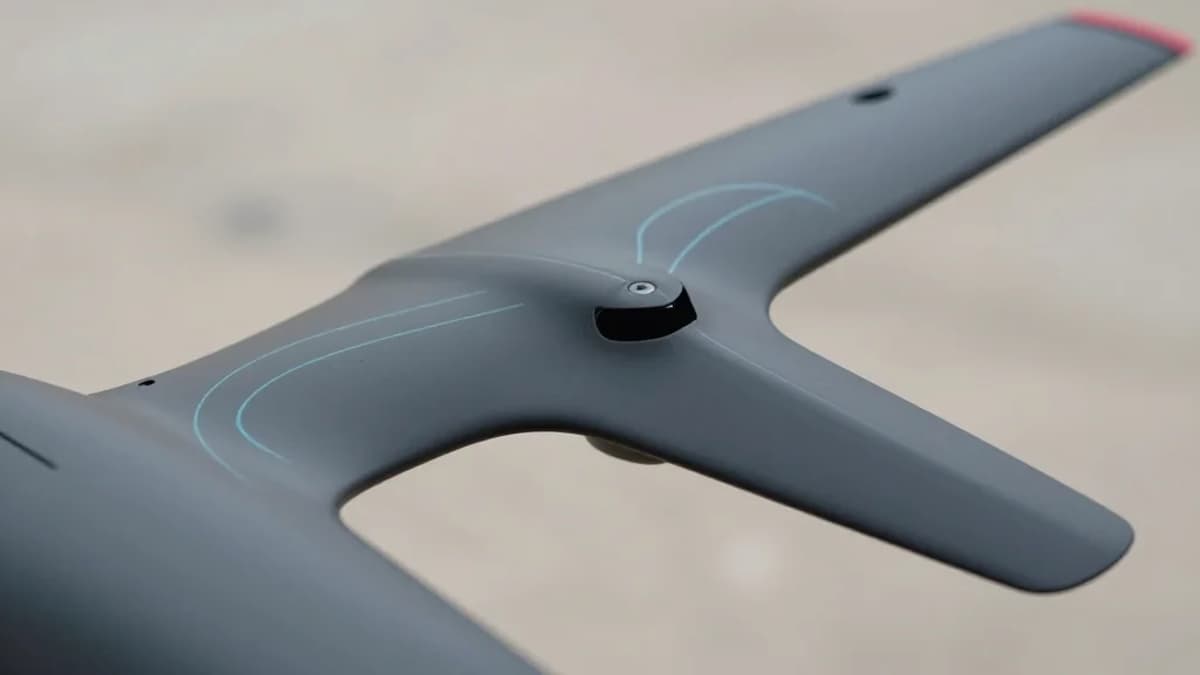
Adisyn Reports Graphene-Based Radar Signature Reduction for Drones
•March 11, 2026
0
Why It Matters
A 30 dB radar‑signature cut could make small UAVs virtually invisible, reshaping defensive engagement timelines and opening new stealth market opportunities. Success would position Adisyn in a high‑value niche of graphene‑based composite technologies for defense and aerospace.
Key Takeaways
- •Graphene composites cut radar reflection up to 20 dB.
- •Targeted 30 dB reduction could shrink radar cross-section 1,000×.
- •Technology could extend UAV stealth and reduce interception time.
- •Collaboration with Tel Aviv University’s Ramot secures exclusive rights option.
- •Adisyn continues primary focus on semiconductor ALD graphene.
Pulse Analysis
Adisyn’s recent proof‑of‑concept shows that embedding graphene into polymer composites can attenuate radar returns by as much as 20 dB in laboratory tests. The carbon‑atom lattice of graphene provides high electrical conductivity and electromagnetic absorption, which together lower the material’s radar reflection coefficient. By partnering with Ramot, the tech‑transfer arm of Tel Aviv University, the company leveraged academic expertise to produce test coupons that consistently outperformed conventional carbon‑fiber laminates. The research team now aims to push the reduction toward 30 dB, a level that would theoretically shrink a drone’s radar cross‑section by a factor of one thousand.
The ability to hide a UAV’s radar signature has direct tactical benefits. A 30 dB cut would reduce the detectable echo to the size of a large insect, shrinking the reaction window for air‑defense systems and forcing interceptors to rely on visual or infrared cues. Low‑altitude flight combined with such stealth could also blend the drone’s return into ground clutter, making it indistinguishable from terrain reflections on many terrestrial radars. These characteristics open new mission profiles for reconnaissance, electronic warfare and swarm operations where survivability hinges on delayed detection.
Commercializing graphene‑based signature‑aware composites will require scaling the ALD deposition process, ensuring uniform coating on large structural panels, and proving long‑term durability under flight loads. Adisyn’s existing expertise in low‑temperature ALD graphene for semiconductor interconnects gives it a head start, but the aerospace market adds stringent certification hurdles. The 12‑month exclusive‑rights option with Ramot positions the firm to lock in intellectual property while it explores parallel revenue streams beyond its core semiconductor business. If successful, the technology could create a niche segment in advanced 2D‑material composites, attracting defense contractors and UAV manufacturers seeking next‑generation stealth solutions.
Adisyn reports graphene-based radar signature reduction for drones
0
Comments
Want to join the conversation?
Loading comments...