Antibacterial Coatings with Short-Term Effect May Fail over Longer Periods of Time
•March 4, 2026
0
Why It Matters
Short‑term efficacy data can mislead buyers, risking ineffective infection‑control solutions in hospitals and consumer products, while robust long‑term performance is critical for public health and market confidence.
Key Takeaways
- •TiO₂ coatings degrade acrylic binder under UV‑A exposure
- •Degradation leads to loss of antibacterial ROS after three weeks
- •ZnO particles maintain coating integrity and antimicrobial activity
- •Long‑term aging tests essential for reliable surface disinfectants
- •40% of HAIs linked to contaminated surfaces
Pulse Analysis
Photocatalytic antibacterial coatings have surged in popularity as a passive defense against pathogen transmission on high‑touch surfaces. By harnessing UV‑A‑activated titanium‑dioxide or zinc‑oxide nanoparticles, these films generate reactive oxygen species that oxidize bacterial membranes, offering a self‑renewing disinfectant layer without chemicals. The technology appeals to hospitals, public transport, and consumer goods manufacturers seeking to reduce reliance on manual cleaning and chemical biocides, positioning it as a strategic asset in infection‑control portfolios.
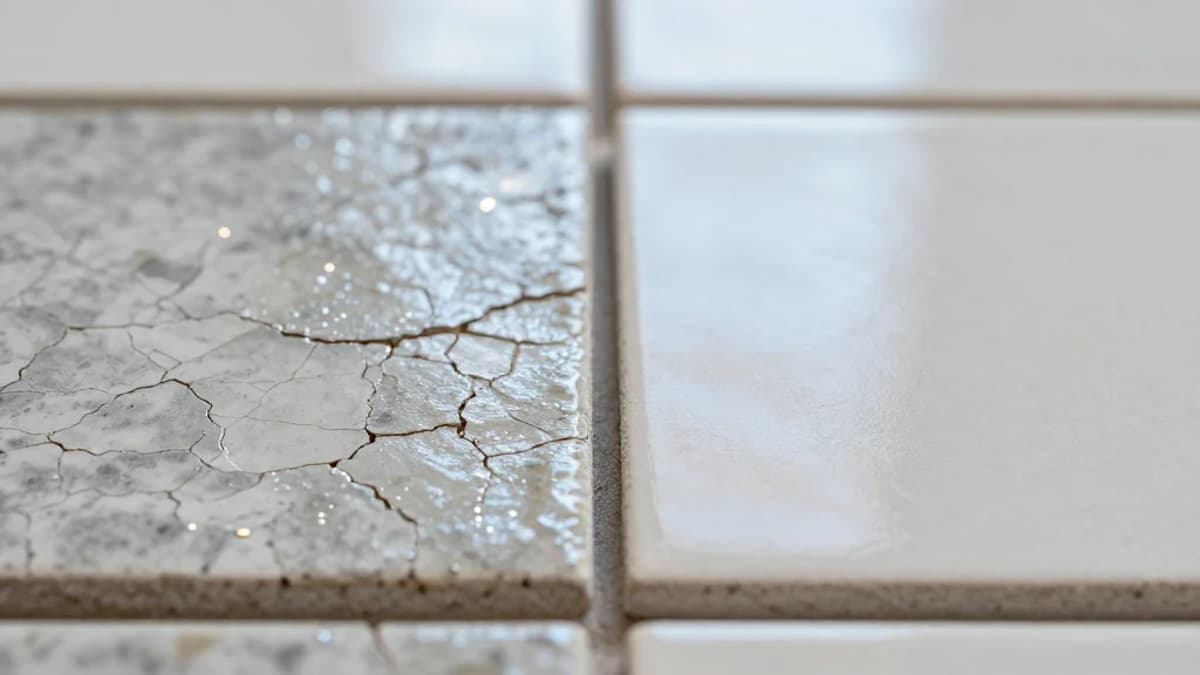
The University of Tartu’s nine‑week artificial aging experiment revealed a stark divergence between TiO₂‑ and ZnO‑based formulations. While both nanomaterials initially produced strong antibacterial activity, TiO₂’s aggressive oxidation also attacked the surrounding polyacrylic matrix, causing visible coating erosion after roughly three weeks and a corresponding drop in ROS output. ZnO, by contrast, exhibited a gentler photocatalytic profile that left the polymer film intact, preserving both structural integrity and microbial kill rates throughout the test period. These results highlight the importance of matching nanoparticle chemistry with compatible binders to avoid self‑destructive feedback loops.
For industry stakeholders, the study sends a clear signal: short‑term laboratory assays are insufficient to certify product longevity. Regulatory bodies and procurement teams should mandate accelerated aging protocols that replicate UV‑A intensity, humidity, and temperature cycles typical of real‑world deployment. Companies investing in TiO₂‑based solutions may need to reformulate binders, incorporate stabilizers, or explore hybrid systems to mitigate degradation. Meanwhile, ZnO‑based coatings emerge as a more durable alternative, potentially accelerating their adoption in healthcare settings where surface‑borne infections account for up to 40% of hospital‑acquired cases. Long‑term validation will become a competitive differentiator as the market matures.
Antibacterial coatings with short-term effect may fail over longer periods of time
0
Comments
Want to join the conversation?
Loading comments...