Asymmetrical FeN4‐O‐FeO4 Dual‐Atom Sites in Fe─N─C for Robust pH‐Universal Oxygen Reduction Reaction Catalysis
Why It Matters
By delivering Pt‑level ORR performance without precious metals, the dual‑atom Fe‑N‑C catalyst could lower the cost and boost the durability of next‑generation metal‑air batteries and fuel cells. Its pH‑universal activity expands applicability across diverse electrochemical platforms.
Key Takeaways
- •Asymmetric FeN4‑O‑FeO4 sites boost ORR activity across pH range
- •Electron transfer follows FeN4 → O bridge → FeO4 pathway
- •Zn‑air battery delivers 1.502 V OCV, 246 mW cm⁻² power
- •Performance surpasses commercial Pt/C cathodes
- •Design offers low‑cost, stable alternative to noble‑metal catalysts
Pulse Analysis
The oxygen reduction reaction remains a bottleneck for scalable clean‑energy technologies, with most high‑performing catalysts relying on scarce platinum. Conventional Fe‑N‑C single‑atom catalysts, while cheaper, suffer from a symmetric Fe‑N4 electronic environment that limits electron mobility and catalytic turnover. Researchers have therefore pursued strategies to disrupt this symmetry, aiming to mimic the multi‑site dynamics of noble metals without the associated expense.
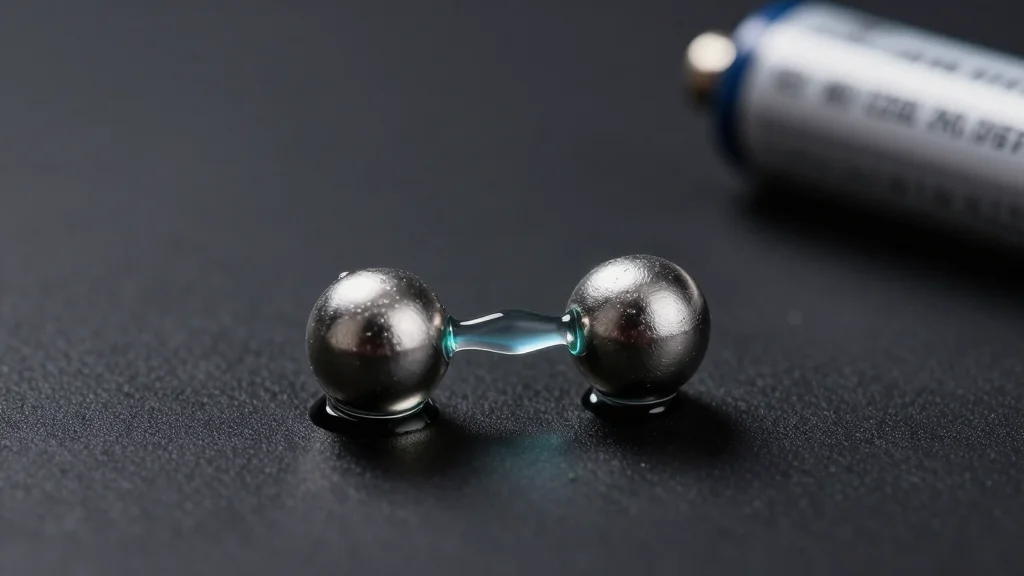
In the latest study, a ZIF‑8 derived Fe/Fe dual‑center material introduces an O‑FeO4 moiety adjacent to the Fe‑N4 site, forming an asymmetric FeN4‑O‑FeO4 dumbbell. This configuration creates a directed electron pathway—FeN4 → bridged O → FeO4—that shifts the d‑band center, enhances charge transfer, and reduces the desorption energy of the rate‑determining intermediate. The result is a catalyst that maintains high activity across acidic, neutral, and alkaline electrolytes, a rare feat for non‑noble‑metal systems.
When integrated into a liquid‑state zinc‑air battery, the dual‑atom catalyst delivers an open‑circuit voltage of 1.502 V and a peak power density of 246 mW cm⁻², both exceeding the benchmarks set by commercial Pt/C cathodes. These metrics translate to longer runtimes and higher energy densities for portable and stationary storage solutions. The breakthrough underscores a scalable route to cost‑effective, durable electrocatalysts, positioning Fe‑N‑C materials as viable contenders in the race toward affordable, high‑performance renewable energy storage.
Asymmetrical FeN4‐O‐FeO4 Dual‐Atom Sites in Fe─N─C for Robust pH‐Universal Oxygen Reduction Reaction Catalysis
Comments
Want to join the conversation?
Loading comments...