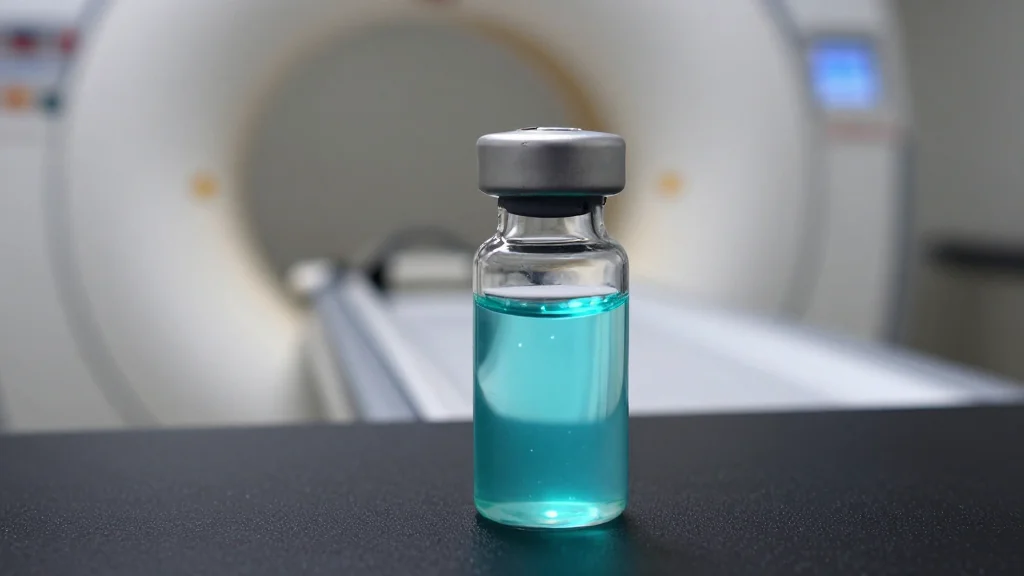
Bracco Imaging, NYU Langone Sign Multi‑Year Deal to Accelerate Nanotech‑Based Imaging

Why It Matters
Nanotechnology is reshaping diagnostic imaging by enabling agents that target disease at the molecular level, improving early detection and treatment monitoring. The Bracco Imaging–NYU Langone Health alliance accelerates this transition, potentially delivering safer, more precise scans that reduce reliance on invasive procedures. Beyond clinical benefits, the partnership could influence funding patterns, encouraging investors to back nanotech‑focused imaging startups. Successful outcomes may also prompt regulatory bodies to refine pathways for nanomaterial agents, setting precedents that streamline approvals for future innovations.
Key Takeaways
- •Bracco Imaging and NYU Langone Health sign a multi‑year Master Research Agreement to co‑develop nanomaterial contrast agents.
- •Collaboration targets MRI, photon‑counting CT, targeted ultrasound and AI‑enabled PET/CT.
- •Bracco employs over 3,800 staff and serves patients in more than 100 countries.
- •Nanotech contrast agents are projected to grow at a 12% CAGR through 2032.
- •First human safety studies for a nanoparticle‑enhanced MRI agent planned for early 2028.
Pulse Analysis
The Bracco‑NYU partnership arrives at a moment when the imaging sector is grappling with two converging pressures: the demand for higher diagnostic specificity and the need to contain costs. Nanomaterial contrast agents address both by offering sharper images that can reduce repeat scans, while AI‑driven analysis extracts more information from each study. Historically, collaborations between large diagnostic firms and academic medical centers have been limited to data sharing; this deal goes further by co‑funding agent development, a model that could shorten the typical 8‑10‑year timeline for new contrast agents.
From a competitive standpoint, the alliance pits Bracco against other nanotech‑enabled imaging players such as GE Healthcare’s nanophosphor CT agents and Siemens Healthineers’ hyperpolarized MRI platforms. By leveraging NYU’s radiology department—renowned for early adoption of novel imaging protocols—Bracco gains a direct pipeline to clinical validation, a critical advantage in a market where regulatory scrutiny of nanomaterials remains high. The partnership also signals to investors that established diagnostic firms are willing to double down on nanotech, potentially unlocking fresh capital for the broader ecosystem.
Looking ahead, the success of this alliance will hinge on three factors: the safety profile of the nanomaterial agents, the ability to integrate AI analytics without inflating workflow complexity, and the speed at which regulatory approvals can be secured. If Bracco and NYU can demonstrate clear clinical benefit and cost‑effectiveness, the model may become the new standard for bringing nanotech diagnostics to market, reshaping the competitive dynamics of the entire imaging industry.
Bracco Imaging, NYU Langone Sign Multi‑Year Deal to Accelerate Nanotech‑Based Imaging
Comments
Want to join the conversation?
Loading comments...