Direct Printing of Electronics on Flexible Porous Substrates
•February 2, 2026
0
Companies Mentioned

Why It Matters
DIP overcomes long‑standing ink‑spreading issues on porous media, unlocking scalable manufacturing of high‑performance paper‑based electronics for wearables and IoT sensors.
Key Takeaways
- •DIP prints high‑mass‑loading inks on untreated paper.
- •Conductivity improves up to 41× for microsupercapacitors.
- •Humidity sensor response rises ~60% with 55% ink.
- •Technique reduces ink spread, preserving substrate breathability.
- •Enables fully printed, wireless, self‑powered flexible devices.
Pulse Analysis
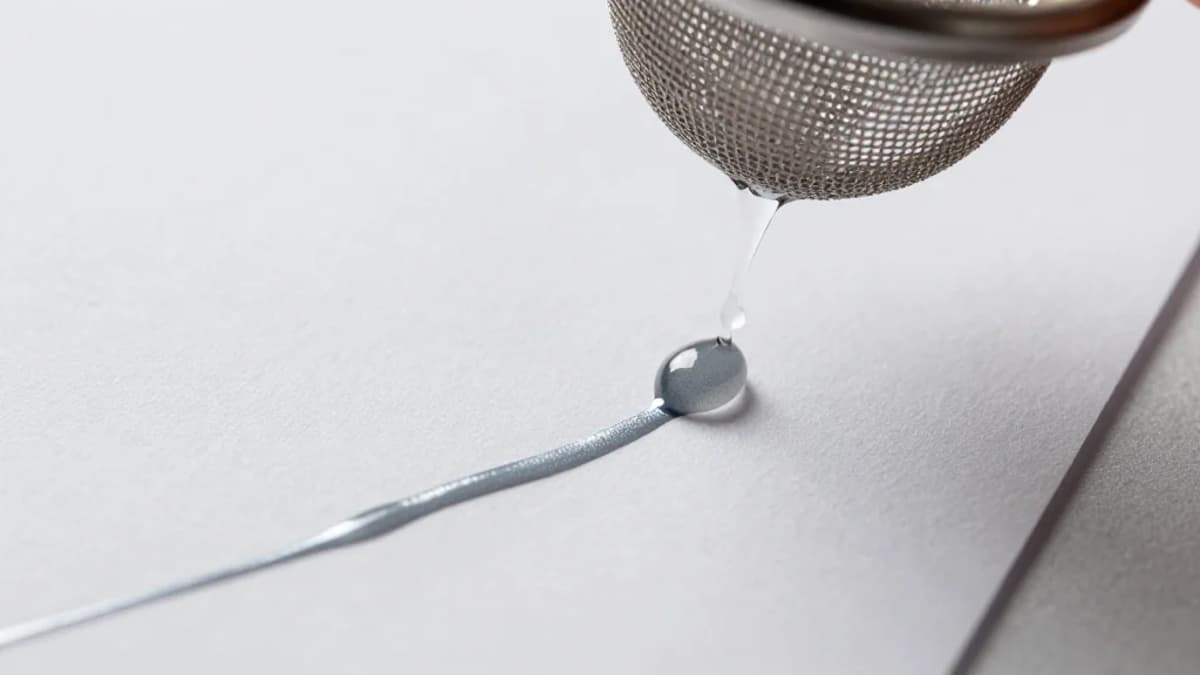
Drop Impact Printing (DIP) arrives at a pivotal moment for flexible electronics, where paper and fabric substrates dominate due to their low cost, breathability, and mechanical compliance. Traditional ink‑jet or screen‑printing approaches struggle with uncontrolled spreading, solvent absorption, and substrate swelling, which degrade device performance and yield. DIP sidesteps these limitations by propelling microdroplets through a fine sieve that impacts the porous surface, trapping particles at the surface and minimizing penetration. This nozzle‑free, single‑pass process accommodates inks with up to 70% solid content, a concentration range previously unattainable on untreated porous media.
The performance gains reported are striking. Microsupercapacitors printed with 70% mass‑loaded ink exhibit an areal capacitance roughly 41 times higher than those made with 10% loading, especially at high scan rates where rapid ion transport is critical. Similarly, humidity sensors see a near‑60% increase in peak response when ink concentration rises from 10% to 55%, reflecting improved conductive pathways and sensor stability under bending. These metrics demonstrate that DIP not only preserves the intrinsic flexibility of paper but also enhances electrical robustness, a combination essential for reliable wearable health monitors and environmental sensors.
Beyond laboratory prototypes, DIP’s compatibility with roll‑to‑roll manufacturing positions it as a catalyst for mass‑producing paper‑based IoT devices. The ability to fabricate fully printed, wireless, self‑powered systems without additional lithography or substrate treatment reduces both capital expenditure and material waste. As industries seek sustainable, low‑cost electronics for smart packaging, e‑textiles, and disposable diagnostics, DIP offers a pragmatic route to bridge the gap between prototype and commercial scale, potentially reshaping the economics of flexible porous electronics.
Direct Printing of Electronics on Flexible Porous Substrates
0
Comments
Want to join the conversation?
Loading comments...